We use cookies, including third-party cookies from Google to serve personalized ads through AdSense, to operate this site and understand how it is used. By continuing to browse, you accept this use. See our Privacy Policy and Terms of Use for details, including how to opt out of personalized advertising.
Accept
SmartData CollectiveSmartData Collective
  • Analytics
    AnalyticsShow More
    What Kind of Problem-Solving Distinguishes Data Analysts From Software Engineers -- AI-generated illustration
    What Kind of Problem-Solving Distinguishes Data Analysts From Software Engineers
    7 Min Read
    chatgpt image jul 21, 2026, 04 34 30 pm
    4 Core Benefits of Predictive Maintenance after Vibration Analysis
    10 Min Read
    How Does Data Mining Boost Customer Satisfaction in Logistics? Harnessing Analytics for Results -- AI-generated illustration
    How Does Data Mining Boost Customer Satisfaction in Logistics? Harnessing Analytics for Results
    11 Min Read
    chatgpt image jul 13, 2026, 04 23 45 pm
    How Data Analytics Helps Companies Improve User Engagement
    19 Min Read
    chatgpt image jul 13, 2026, 03 59 46 pm
    How Data Analytics Improves Multi-Location Search Strategies
    10 Min Read
  • Big Data
  • BI
  • Exclusive
  • IT
  • Marketing
  • Software
Search
© 2008-25 SmartData Collective. All Rights Reserved.
Reading: Beware Cloud Washing: 6 Ways to Spot Fake “Cloud” CRM
Share
Notification
Font ResizerAa
SmartData CollectiveSmartData Collective
Font ResizerAa
Search
  • About
  • Help
  • Privacy
Follow US
© 2008-23 SmartData Collective. All Rights Reserved.
SmartData Collective > IT > Cloud Computing > Beware Cloud Washing: 6 Ways to Spot Fake “Cloud” CRM
AnalyticsBig DataBusiness IntelligenceCloud ComputingCRMData ManagementITSocial DataSoftware

Beware Cloud Washing: 6 Ways to Spot Fake “Cloud” CRM

workbooks
workbooks
5 Min Read
Beware Cloud Washing: 6 Ways to Spot Fake "Cloud" CRM
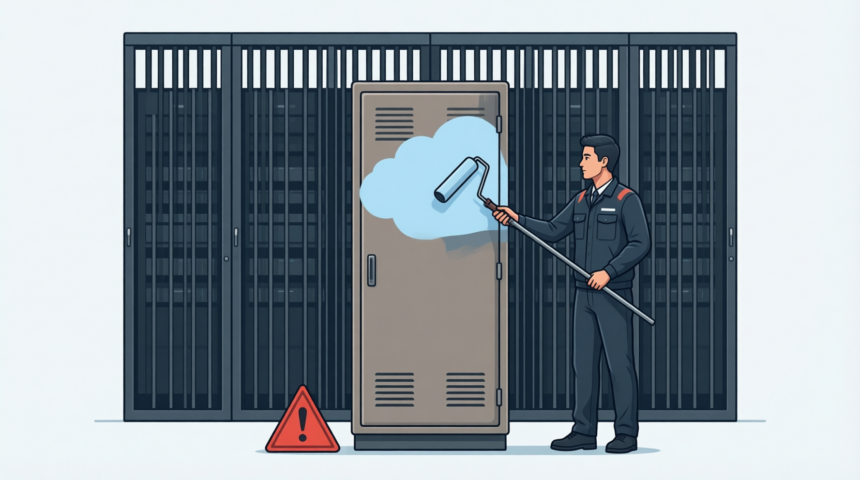
Illustration generated with Qwen Image.
SHARE

The current popularity of cloud technology is understandable. In the same way that traditional computer systems were a vast improvement on filing cabinets, cloud has the potential to further streamline and broaden access to data and CRM insights.

But beware of ‘Cloud washing’

Among some software providers, there is a trend for solutions to be branded as ‘cloud CRM’, when in fact they carry costs and complications that should not be part of a true cloud programme.

Cloud washing is described by IT publisher Tech Target as:

More Read

AI Brings Impressive Features to Sales Funnel Builders
Harnessing the Power of Analytics For Direct-to-Consumer Businesses
Near Field Communication, But Far Reaching Impact with Analytics
Predictive Analytics: 8 Things to Keep in Mind (Part 6)
How do you prioritize your IT portfolio of initiatives in this economy?

“The purposeful and sometimes deceptive attempt by a vendor to rebrand an old product or service by associating the buzzword “cloud” with it.”

Distinguishing between false and true ‘cloud’

There are six key areas to examine when considering whether a so-called cloud solution will really bring you the benefits of cloud technology:

1. Installation Requirements

A genuine cloud CRM system should need nothing more than an internet connection. Generally, the programme will be accessible via your internet browser. If additional servers need to be installed, this defeats some of the advantages of operating on the cloud. More technology to install means longer setup time and, in some cases, add-on costs for setup.

2. Software

Does ‘cloud CRM software’ need to be installed locally on your server or business devices? This may be marketed as a ‘hybrid cloud’ solution. However, if programmes need to be set up on your own servers, this defeats the object of a true cloud system, which should be remotely accessible from non-local devices.

3. Server Location

The key to cloud data systems is a network of servers in multiple geographical regions. This allows staff to view information reliably, covering the risk of localised malfunctions, and reducing the risk of data loss. A ‘cloud CRM’ that is installed on a single server fails to deliver these benefits. Even if the server is located offsite, it is essentially the same as a traditional data system.

4. Costs and Billing

When investing in cloud CRM, a breakdown of charges and costs should be agreed up-front, and adhered to. Most systems are billed on a per-user basis, or similar. Essentially, the idea is that you should only be billed for what you use. Additional installation fees and setup charges should ring alarm bells — what exactly needs to be installed, and why?

5. Flexibility of Services

There should be no need for the provider to intervene manually when users wish to add or remove services. The beauty of a web-based system is that you can add or remove services via an online self-service portal. This reduces time spent on the phone dealing with customer services, and should also mean lower service costs.

6. Mobility

The true test. Is it possible for the team to access, view and edit the data (subject to permissions) wherever they are? And in the age of mobile and tablet devices, it’s vital to ensure that the software is accessible via these tools as well. There should be no need for third-party products or VPN to provide mobile access — this can quickly become cumbersome and costly.

Key Points

  • True cloud software can deliver lower costs, more streamline maintenance and better accessibility
  • Scalability is another benefit, allowing systems to be updated easily as the organisation grows
  • Not all ‘cloud’ is true cloud. Investigate by enquiring about billing, mobility, flexibility and installation costs at the beginning.
  • This can help to pre-empt problems down the line.
  • Transparent billing and return on spend are vital – see the Guide to Getting Value from CRM

Share This Article
Facebook Pinterest LinkedIn
Share

Follow us on Facebook

Latest News

How Restaurant POS and Ordering Data Reveal Generational Customer Patterns -- AI-generated illustration
How Restaurant POS and Ordering Data Reveal Generational Customer Patterns
Exclusive Infographic
From Trucks To Data: How Telematics Can Improve Freight Transportation -- AI-generated illustration
From Trucks To Data: How Telematics Can Improve Freight Transportation
Big Data Exclusive Infographic
The Airflow Problems Hiding Inside Data Centers -- AI-generated illustration
The Airflow Problems Hiding Inside Data Centers
Big Data Exclusive Infographic
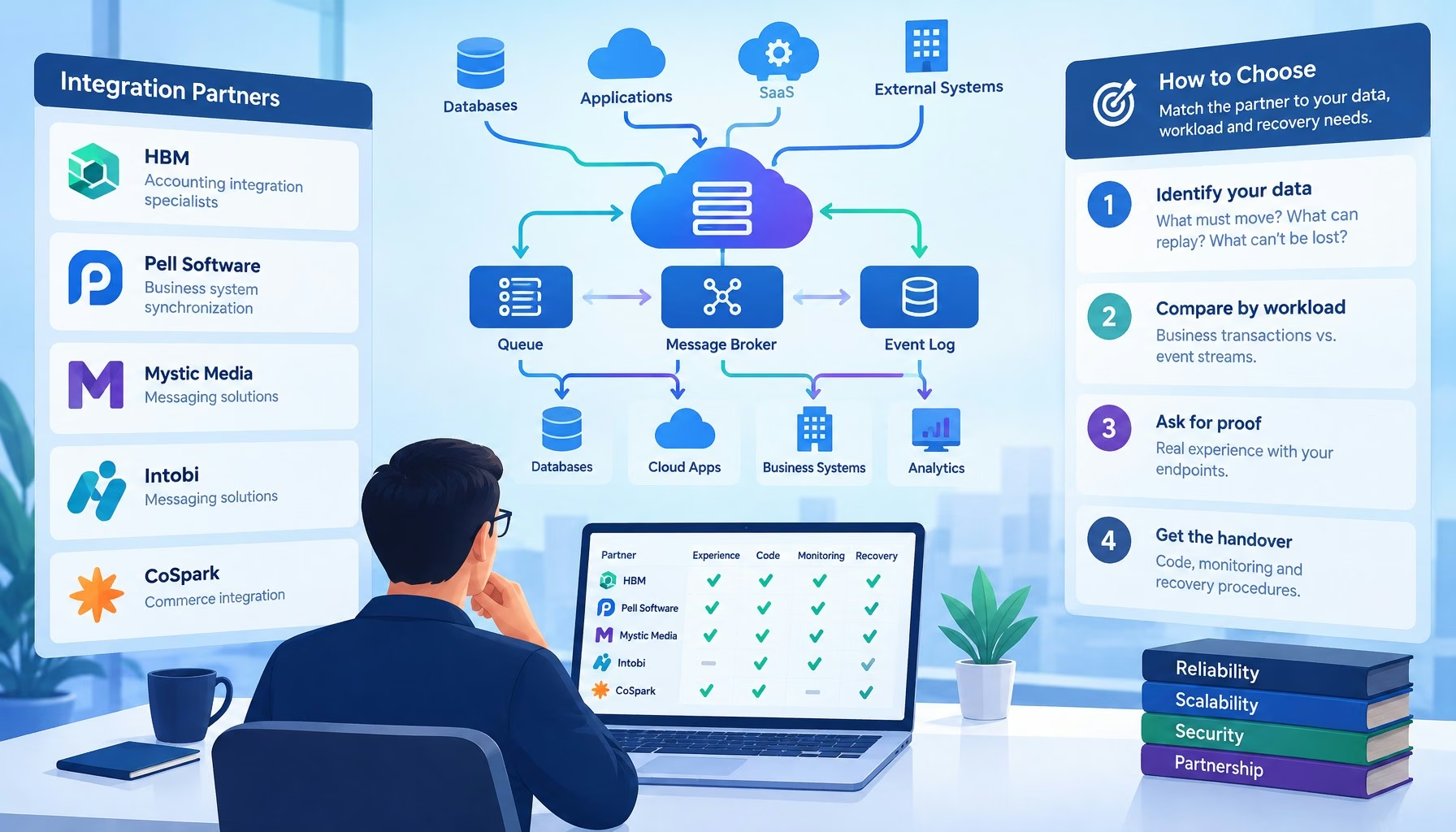
Technical architecture diagram and decision framework for choosing an integration partner for data pipelines: service bus, brokers, and azure-native middleware compared
Choosing an Integration Partner for Data Pipelines: Service Bus, Brokers, and Azure-Native Middleware Compared
Development Exclusive

Stay Connected

1.2KFollowersLike
33.7KFollowersFollow
222FollowersPin

You Might also Like

Big Data Privacy Concerns
AnalyticsBig Data

Using ‘Faked’ Data is Key to Allaying Big Data Privacy Concerns

5 Min Read
Kindling the Flames: The Future of Data Governance
AnalyticsBig Data

Kindling the Flames: The Future of Data Governance

5 Min Read
7 Mind-Blowing Ways Smart Homes Use Data to Save Your Money
Big Data

7 Mind-Blowing Ways Smart Homes Use Data to Save Your Money

7 Min Read
Exploiting Big Data Advantages when Forming Strategic Competences
Decision Management

Exploiting Big Data Advantages when Forming Strategic Competences

6 Min Read

SmartData Collective is one of the largest & trusted community covering technical content about Big Data, BI, Cloud, Analytics, Artificial Intelligence, IoT & more.

AI chatbots
AI Chatbots Can Help Retailers Convert Live Broadcast Viewers into Sales!
Chatbots
Artificial Intelligence for eCommerce: A Closer Look
Artificial Intelligence

Quick Link

  • About
  • Contact
  • Privacy
Follow US
© 2008-26 SmartData Collective. All Rights Reserved.
Welcome Back!

Sign in to your account

Username or Email Address
Password

Lost your password?