Artificial intelligence technology is radically changing the future of cybersecurity. Last year, global organizations spent over $15 billion on AI to bolster their cyber defenses.
Smart companies realize that they can no longer overlook the importance of using AI to thwart hackers. After all, hackers themselves are turning to AI to commit their crimes. Cybersecurity professionals need to use the same technology to turn the tables on them.
AI Leads to Huge Breakthroughs in the Cybersecurity Arms Race
The landscape of disaster recovery is undergoing a transformation. There has been considerable growth in the number of firms adopting cloud technologies and employing remote workforces in recent years. This transition has brought forth new cybersecurity issues. Simply keeping data on the cloud does not ensure your company’s safety in the event of a crisis.
Cybersecurity professionals need to embrace a number of new measures as cybercriminals use AI to commit more horrific offenses. This includes using cybersecurity simulations to prepare for AI-driven cyberattacks.
More Read

Cyber Security Chief Technology Officer at Telefónica Tech UK&I, Peter Moorhead, demonstrates the significance of using disaster recovery as a service (DRaaS) approaches; “DRaaS not only empowers businesses to tackle modern cybersecurity threats with continuous data protection but also provides the expertise, resources, and standards required to navigate the complex cybersecurity landscape. As cyber attacks become more sophisticated, organizations must invest in resilient disaster recovery strategies to safeguard their operations and maintain business continuity.”
Recent figures provide light on these patterns in response to growing cyber threats, stressing the necessity for effective resilience measures. According to the Cyber Security Breaches Survey, hackers continue to pose a significant danger to UK organizations. In 2022, 39% of organizations polled reported cyber incidents. These attacks, which are frequently cutting-edge and difficult to recover from, have altered the perception of cybersecurity from an opportunity to an inevitability. The expanding threat landscape has increased the necessity for comprehensive catastrophe restoration solutions capable of quick reaction and healing.
Furthermore, 60% of big UK organizations have chosen to outsource their cybersecurity activities. The primary reason for this strategic flow has been identified as having access to specialist know-how, an abundance of resources, and adherence to severe safety criteria. Outsourcing cybersecurity allows businesses to focus on core operations while relying on expert partners to defend against capacity problems.
Cloud computing is critical to virtual transformation efforts, with 93% of businesses understanding its significance. Statistics security issues are growing as more businesses shift their information to the cloud. According to the Cloud Industry Forum (CIF), the more data that is moved to the cloud, the higher the demand for effective security systems. During this transition, organizations must ensure that their disaster recovery policies fit with increasing cloud needs in order to properly protect critical assets.
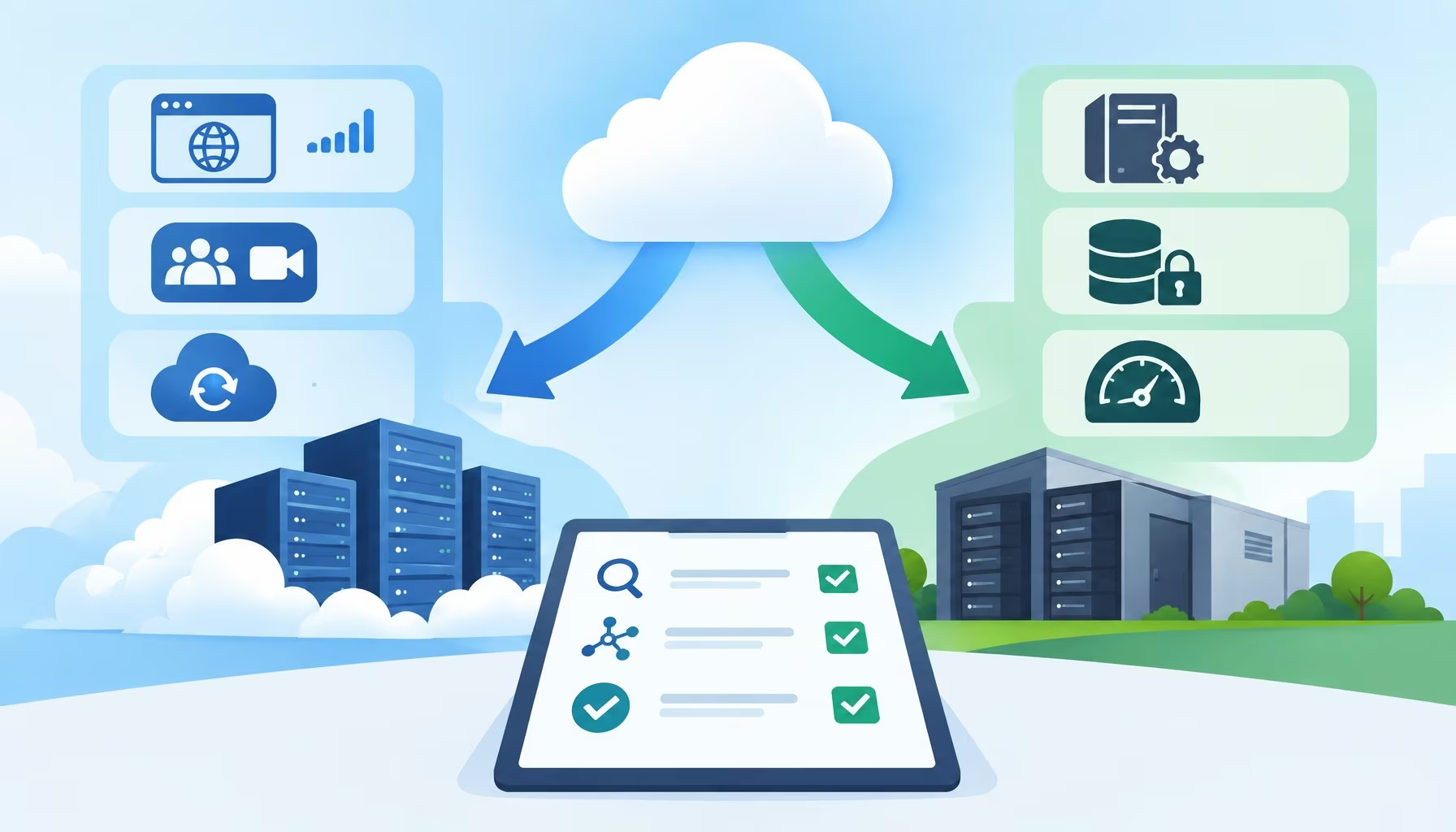
What Are The Security And Compliance Considerations Concerning Cloud Adoption Growth?
Conduct Rigorous Risk Assessment
Organizations must undertake a comprehensive risk assessment before transferring sensitive data and applications to the cloud. Identifying possible vulnerabilities, estimating the effect of prospective breaches, and defining risk tolerance levels are all part of this process. A thorough risk assessment aids in adapting security solutions to specific threats and weaknesses, offering a proactive approach to asset protection.
Implement Strong Identity and Access Management (IAM)
IAM is a critical component of cloud security. It guarantees that sensitive resources and data are only accessible to authorized persons. Implementing multi-factor authentication (MFA), least privilege access, and frequent access reviews can improve security dramatically. Companies may reduce the risk of unauthorized access and data breaches by regularly controlling user identities and access levels.
Data Encryption is Non-Negotiable
Data breaches can lead to severe consequences, including regulatory fines and reputational damage. Encrypting data at rest and in transit is non-negotiable. Most cloud service providers (CSPs) should offer encryption services, but organizations must manage their encryption keys to retain control. By employing strong encryption practices, businesses can ensure that even if a breach occurs, the stolen data remains unintelligible and unusable to unauthorized parties.
Organizations can guarantee that even if a breach happens, the stolen data remains incomprehensible and unusable to unauthorized parties by using robust encryption procedures.
Have a Comprehensive Incident Response Plan
No security strategy is complete without a well-defined incident response plan. In the event of a security breach or data compromise, having a clear roadmap for containing, mitigating, and recovering from the incident is crucial. This plan should involve relevant stakeholders, define communication protocols, and outline steps to minimize damage and ensure a swift return to normal operations.
Foster a Security-Centric Culture with AI
The advances in custom AI development have led to truly fascinating changes in the cybersecurity realm. AI can be horrifying in the hands of hackers, but it can also be a very powerful tool in the hands of white hat cybersecurity professionals.
AI technology has led to truly fascinating changes in the cybersecurity realm. AI can be horrifying in the hands of hackers, but it can also be a very powerful tool in the hands of white hat cybersecurity professionals.
A well-defined incident response plan is essential for any security strategy. A defined roadmap for minimizing, mitigating, and recovering from a security breach or data compromise is critical in the case of an occurrence. This strategy should include all important stakeholders, identify communication procedures, and explain methods to minimize harm and restore regular operations as soon as possible.
Finally, growing cloud adoption has altered the corporate environment, providing new prospects for creativity and efficiency. The benefits of the cloud, however, come with a caveat: the need for vigilance in terms of security and compliance.
While cloud service providers provide solid infrastructure security, clients must employ safeguards to protect their data and applications. The cloud journey is about more than simply technical revolution; it is about assuring a safe and compliant future.