
We use cookies, including third-party cookies from Google to serve personalized ads through AdSense, to operate this site and understand how it is used. By continuing to browse, you accept this use. See our Privacy Policy and Terms of Use for details, including how to opt out of personalized advertising.
Accept
SmartData CollectiveSmartData Collective
  • Analytics
    AnalyticsShow More
    What Kind of Problem-Solving Distinguishes Data Analysts From Software Engineers -- AI-generated illustration
    What Kind of Problem-Solving Distinguishes Data Analysts From Software Engineers
    7 Min Read
    chatgpt image jul 21, 2026, 04 34 30 pm
    4 Core Benefits of Predictive Maintenance after Vibration Analysis
    10 Min Read
    How Does Data Mining Boost Customer Satisfaction in Logistics? Harnessing Analytics for Results -- AI-generated illustration
    How Does Data Mining Boost Customer Satisfaction in Logistics? Harnessing Analytics for Results
    11 Min Read
    chatgpt image jul 13, 2026, 04 23 45 pm
    How Data Analytics Helps Companies Improve User Engagement
    19 Min Read
    chatgpt image jul 13, 2026, 03 59 46 pm
    How Data Analytics Improves Multi-Location Search Strategies
    10 Min Read
  • Big Data
  • BI
  • Exclusive
  • IT
  • Marketing
  • Software
Search
© 2008-25 SmartData Collective. All Rights Reserved.
Reading: People, Process & Politics: Pros & Cons of ICC Organizational Models
Share
Notification
Font ResizerAa
SmartData CollectiveSmartData Collective
Font ResizerAa
Search
  • About
  • Help
  • Privacy
Follow US
© 2008-23 SmartData Collective. All Rights Reserved.
SmartData Collective > Uncategorized > People, Process & Politics: Pros & Cons of ICC Organizational Models
Uncategorized

People, Process & Politics: Pros & Cons of ICC Organizational Models

RickSherman
RickSherman
5 Min Read
People, Process & Politics: Pros & Cons of ICC Organizational Models
Illustration generated with Qwen Image.
SHARE

As we discussed in my last People, Process & Politics post, the four organizational models most often used to implement ICCs are: common practices, technology standards, shared services and centralized development. The best approach is what fits your enterprise best in terms of people, politics and integration maturity.

Below are some pros and cons of each approach:

Common Practices

A word of caution about this approach is that it is often implemented on a virtual team basis. Although the idea of gaining knowledge without adding more resources is appealing, too often enterprises fail to recognize the level of effort that each contributor needs to make for the common good.

More Read

6 SMB Technology Trend Predictions for 2016
Five Top Data Visualizations – Infographics That Persuade
Microsoft Adds Azure Features, Enhancements and Partnerships
How to Retain Your Existing Customers with the Right Data
Why Would I Ever Tweet?

If the investment in people is recognized and encouraged – by making it an objective in employee reviews and substituting this work for lower priority work – then this approach can be quite effective. If, however, this activity is just thrown on top of everyone’s already overloaded schedule, then this model will not be effective.

Technology Standards

Not to be a noodge, but you need to be careful with this approach, too. First, how will the ICC team make its selection without using various projects for requirements input?

Second, the ICC team often does not have the budget or resources to adequately pick a technology platform. This approach means that an additional budget item must be allocated to a pure IT technology project – often a difficult sell in today’s environment.

Third, while the ICC team is examining the technology options, other projects are moving forward without the guidance that the ICC can provide. In other words, more data silos may be built just as the ICC looks at ways to prevent them.

Finally, what are the real incentives for each project to adopt the common technology platform? Many corporate cultures will allow new projects to pick another platform anyway, because these projects must still deliver their objectives in addition to picking up the requirements of the technology platform. Many projects will justify moving forward on their own because of their limited budget, resources and expertise.

Shared Services

This organization enables the enterprise to develop deep data integration skills because the ICC specializes in that area. This approach works extremely well, especially when reinforced by strong business and IT sponsorship along with supporting budgetary investments. The main caution is that decentralized companies may be reluctant to use the shared services approach. However, with strong financial incentives and recognition that many IT services already operate in this manner, you can overcome initial resistance.

Centralized Development

This is an extremely effective model if the corporate culture supports centralized development and control. However, in a decentralized culture, the shared services model will have a better chance of success.

Data integration needs to become an enterprise-wide infrastructure endeavor to stop the proliferation of data silos and provide your enterprise with the timely, accurate and appropriate business information it needs. The right vision, strategy and architecture will show you where you need to go; sponsorship and organization will help you make it happen.


TAGGED:organizational models
Share This Article
Facebook Pinterest LinkedIn
Share

Follow us on Facebook

Latest News

Flat editorial illustration: The article's core relationship is workload-by-workload decision-making for cloud migration, where s
Which Workloads Should Move to the Cloud?
Cloud Computing Exclusive IT
Flat editorial illustration: The article positions data governance as a strategic board-level concern rather than a purely techni
Why Data Governance Is Becoming a Board-Level Business Priority
Big Data Exclusive Policy and Governance
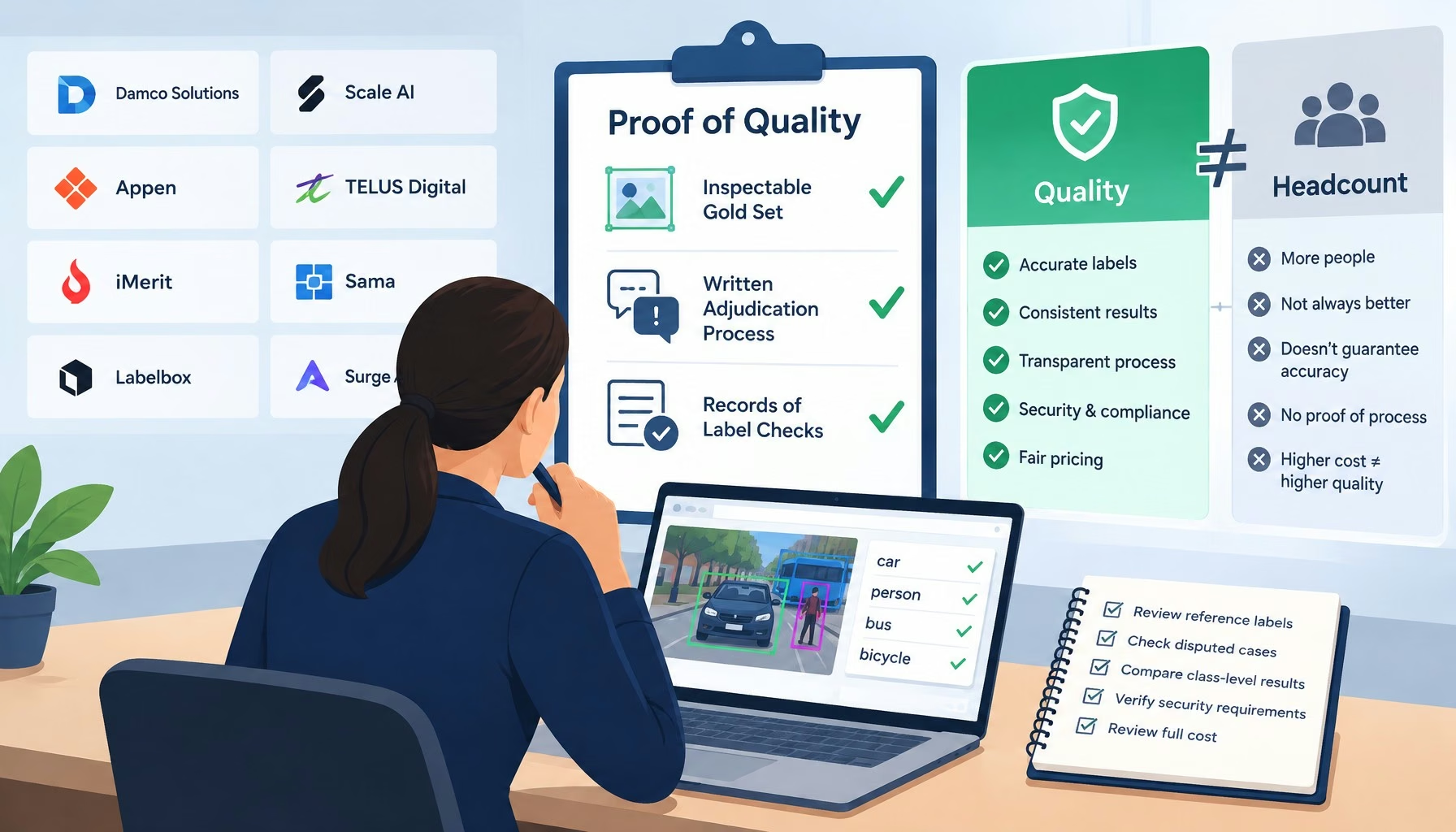
Flat editorial illustration: The article argues that data annotation quality should be measured by inspectable gold sets, written
The Top Data Annotation Companies Are Separated by Proof of Quality, Not Headcount
Big Data Exclusive
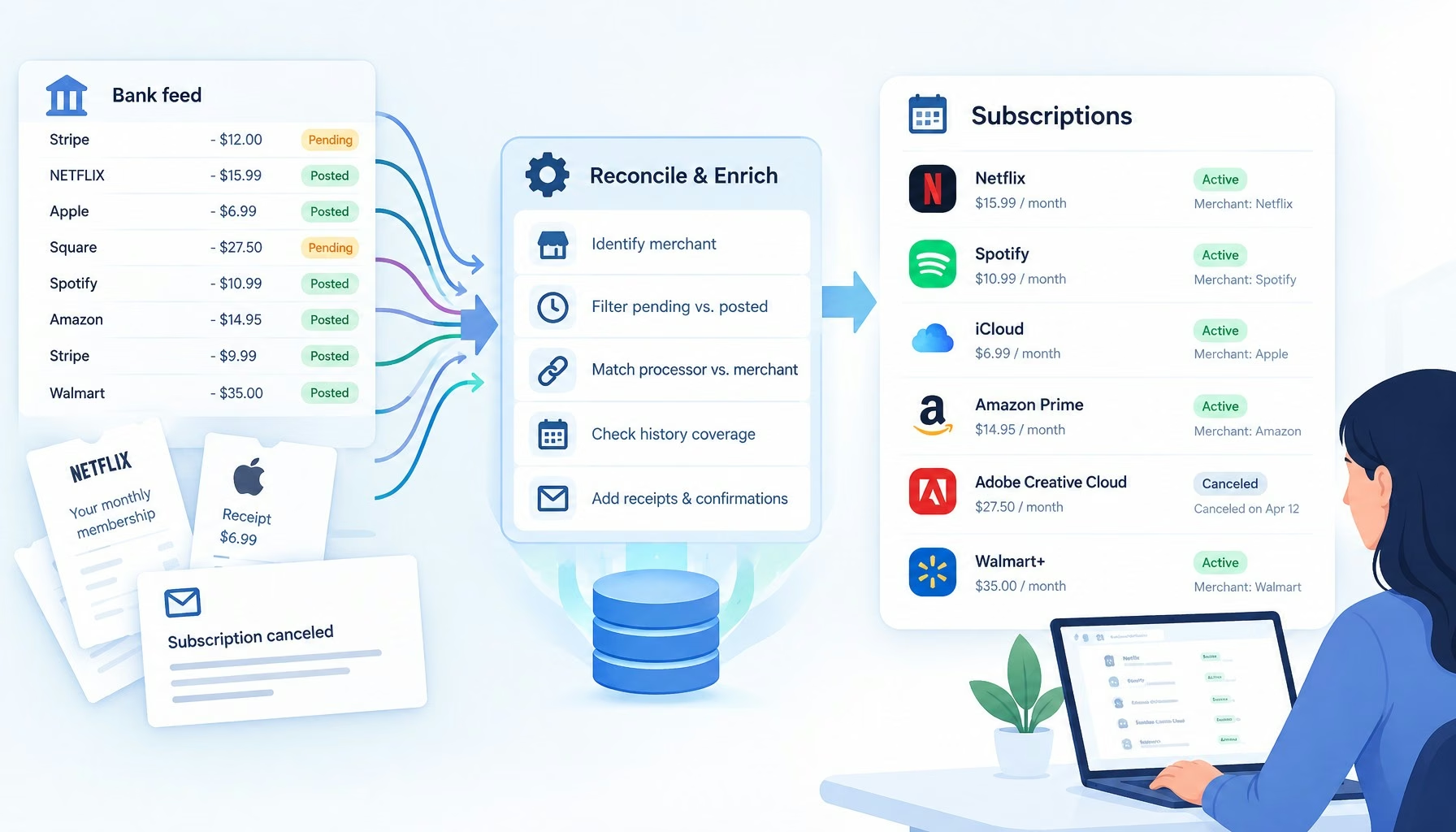
Flat editorial illustration: The article's core relationship is the gap between raw bank-feed records and reliable subscription i
Subscription Trackers Have a Transaction Data Problem
Big Data Exclusive

Stay Connected

1.2KFollowersLike
33.7KFollowersFollow
222FollowersPin

You Might also Like

Engaged + Happy Employees = Results. A good story of a company doing it right.
Uncategorized

Engaged + Happy Employees = Results. A good story of a company doing it right.

6 Min Read

SmartData Collective is one of the largest & trusted community covering technical content about Big Data, BI, Cloud, Analytics, Artificial Intelligence, IoT & more.

5 Great Tips for Using Data Analytics for Website UX
Big Data
Chatbots and SEO: How Can Chatbots Improve Your SEO Ranking?
Artificial Intelligence Chatbots Exclusive

Quick Link

  • About
  • Contact
  • Privacy
Follow US
© 2008-26 SmartData Collective. All Rights Reserved.
Welcome Back!

Sign in to your account

Username or Email Address
Password

Lost your password?