Data analytics technology has changed many aspects of the modern workplace. A growing number of companies are using data to make more informed hiring decisions, track payroll issues and resolve internal problems.
One of the most important benefits of data analytics is that it can help companies monitor employee performance and provide more accurate feedback. Keep reading to learn more about the benefits of a data-driven approach to conducting employee performance reviews.
Data Analytics Helps Companies Improve their Employee Performance Reviews
Managers state that delivering employee performance reviews is the second most dreaded and despised task they need to do. The first is firing an employee. This is understandable knowing how flawed and unfair a traditional employee performance appraisal system is.
Chris Westfall, the author of numerous books on management, thinks that poor communication between managers and employees is a serious issue affecting numerous businesses. According to statistics, an astonishing 62% of managers are reluctant to talk to their employees about anything, while one in five business leaders feel uncomfortable when it comes to recognizing employees’ achievements. This communication breakdown may be the reason why traditional feedback isn’t working.
More Read
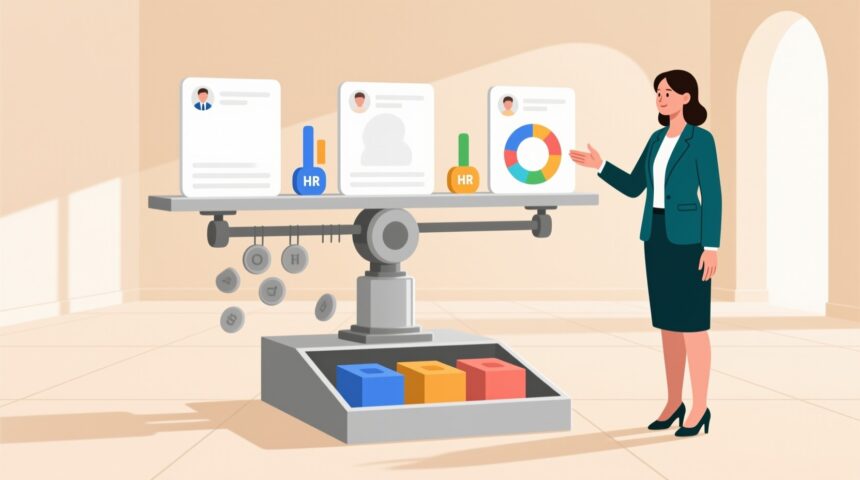
These findings illustrate the benefits of shifting towards a data-driven approach to monitoring employee performance. An article in HR Voices titled Data Analytics in HR: Impacting the Future of Performance Management underscores some of the benefits. The authors state that data analytics saves managers time and reduces the risk of inadvertent bias.
“Using a software platform for data gathering and analytics is a huge time saver, and the application of verifiable facts and numbers to measure progress minimizes the bias that’s inherent in the old-school method of performance management,” the authors write.
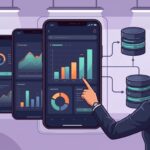
Andy Przystanski of Lattice makes a similar argument. New HR analytics tools can use data to make better assessments of employee performance. They can even use data visualization to get a better understanding of individual and collective employee performance. They can make some unexpected insights based on data analytics tools.
One of the biggest flaws of traditional employee performance reports is that managers usually deliver them annually, focusing on things that are fresh in their memory. This approach to performance evaluation can’t paint a real and comprehensive picture of employees’ efforts or results. Performance and productivity fluctuate and you need real-time insights into these metrics to better understand overall employee performance.
Furthermore, when feedback isn’t data-driven it can be susceptible to managers’ opinions of an employee. And when feelings rule over accurate information, employees receive biased data that can lead to conflict within your teams.
Finally, traditional employee reviews are often vague, containing a single sentence or a phrase. They can also be time-consuming, requiring managers and employees to fill out numerous forms and handle tons of paperwork.
If you want to transform the employee performance appraisal process and make it more actionable and insightful, you can reach out for data collected via monitoring software for employees. By analyzing this information you’ll gain a better understanding of how your employees spend their time at work and create a transparent, objective, and actionable feedback.
Here are three ways that software for employee monitoring can help you to modernize the employee performance evaluation process and meet the employees’ requirements for more frequent objective feedback.
Annual Performance Evaluation is Time-Consuming
One of the reasons why managers may dread giving traditional feedback is that the entire process takes up so much of their precious time. If you want to be well prepared to deliver annual feedback, you and your employees need to fill out countless forms, wait for their approval, then you need to set and host performance appraisal meetings, and finally, deal with tons of paperwork.
And you’ll be doing this every year without any clear purpose or benefit for your employees or clients. This is because annual feedback isn’t based on relevant performance metrics and data that can show you what steps you need to take to improve employee performance or when it’s time to reward outstanding achievements.
Luckily, with the help of employee tracker data, you can create weekly, or monthly evaluations, identifying areas that need improvement and also recognizing effective practices. This monitoring software for employees can show you the time your employees spend on specific tasks, apps, and websites they use to complete these tasks and their productivity levels throughout a specific time.
You can use this information to create a real-time, objective, and most importantly timely feedback that can help your employees overcome specific issues and fulfill their potential. Or you can use it to celebrate stellar employee performance.
Traditional Feedback is Vague, Cryptic Without Clear Outcomes
Many employees state that their stress levels are skyrocketing when it’s time for annual performance reviews. They are worried that their managers will focus only on their most recent outcomes and productivity rates, forgetting to look at the big picture and recognize their overall contribution to the team or company. And their worries are justifiable.
This is especially true when managers compile annual evaluations in one sentence like “Good job” or “Your work needs improvements” without specifying what work aspects employees excel at or what steps they need to take to become more productive.
By doing this you show your employees that you aren’t invested in their professional development or, what’s worse, you fail to recognize their achievements. This attitude may frustrate your team members, motivating them to start looking for a more supportive and appreciative workplace.
If you want to prevent this worst-case scenario from happening, use real-time employee tracking system data to track your employees’ day-to-day performance, This information will help you record all the tasks and projects your employees have completed effectively over the year and also identify issues they’re struggling with, suggesting solutions on the spot.
In this way, you can set meaningful performance evaluation outcomes, provide additional support to employees in need, and promote top performers enabling them to develop personally and professionally. And you can use employee tracking data to keep an eye on their progress.
Data-Driven Approaches to Employee Performance Reviews Can Improve Fairness and Reduce Bias
There is no denying the fact that HR analytics is changing the state of the workforce. When your feedback isn’t data-driven it can often be clouded by your personal opinion about a specific employee. This is one of the main reasons why many employees think that traditional performance evaluations aren’t fair and they are a thing of the past.
Therefore, you should foster open communication, offering frequent feedback based among other significant factors on data collected via monitoring software for employees. This is especially important for managers running remote teams with employees that may feel unseen or detached from the rest of the team.
When using employee monitoring reports to complement employee feedback, you’ll eliminate bias by offering accurate and objective performance insights. This will promote much-needed equity in the workplace where every employee will be valued by their achievements and dedication to the team rather than by favoritism.