Advances in artificial intelligence have been shaping the state of the Internet for years. One of the biggest changes has been in the arena of cybersecurity.
AI technology has been a double-edged sword for the cybersecurity sector. On the one hand, it offers robust protection against data breaches, malware and other online security threats. Cybersecurity experts are expected to spend over $38.2 billion on AI-driven cybersecurity solutions by 2026.
However, there are a lot of threats posed by AI as well. More hackers than ever are weaponizing AI technology to penetrate network defenses, create more terrifying malware and do better assessments of their targets.
AI has also led to new discussions about the role of passwords.

Password-based authentication features have remained a mainstay security framework for an extended period. However, the risks of using this authentication option are widely known, as hackers can steal, buy, or guess passwords to compromise networks and access sensitive data.
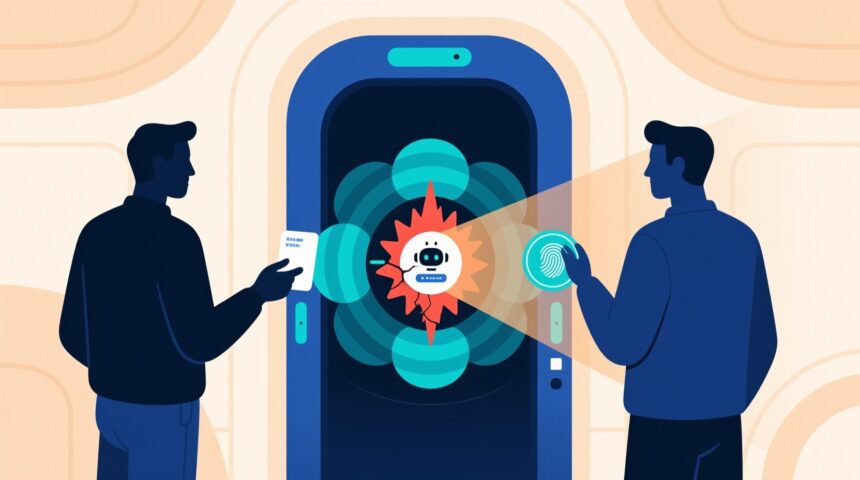
The evolution of AI in cybersecurity has led to some important questions about the role of passwords for cybersecurity. AI technology has led to a new generation of password cracker tools. This has made some people believe that passwordless security solutions might be preferable.
The introduction of passwordless authentication is thought to mitigate these risks. AI technology has made passwordless technology possible in recent years. Passwordless login dispenses passwords completely for advanced authentication, strengthening network security and eliminating all password-related attack vectors, such as phishing scams. However, despite these benefits, passwordless authentication has its fair share of risks and limitations, including the following:
1. Poor Identity Proofing
Identity proofing entails determining the real identity of users during account registration and provisioning to ensure that only authorized individuals can access organizational data. This is a crucial step in protecting businesses and organizations from severe cyber security threats associated with unauthorized access, such as identity fraud.
Poor identity proofing automatically introduces risks to passwordless authentication. To mitigate this risk, organizations should create accounts for real users through proper identity governance. Companies should also implement robust security controls and app attestation to verify and validate established identities and device integrity continuously.
AI technology might make it easier to help networks better recognize users. However, until that happens, this is a vulnerability that hackers may take advantage of with their own machine learning tools.
2. Non-Secure Identity Management
Identity and access management ensures that authorized users or specific identities can access certain information from the system. This prevents unauthorized users from gaining access to restricted resources. However, non-secure identity management is a significant passwordless risk since it exposes organizations to possible identity fraud. Weak authentication can also be easily subverted by malicious actors.
Organizations should use secure identity proofing to ensure that even authorized personnel only access what they are allowed to. Companies can also use passwordless multi-factor authentication, which uses robust authentication features, such as biometrics. Zero-trust cyber security principles should also be observed to ensure that access within the company’s network and outside is independently verified.
As we stated in the past, AI and data analytics technology are making zero-trust technology more reliable. However, companies will need to utilize it strategically.
3. Vulnerable End-User Authentication Devices
Theft of mobile devices is another common risk associated with passwordless authentication. If hackers and other malicious players get hold of unlocked user devices, they can intercept PINs, OTPs, and links generated from authentication apps or sent through SMS or email. SIM swapping is another possible risk associated with vulnerable devices.
Hackers can manipulate service providers into canceling and transferring crucial information from legitimate SIM cards. They can use AI technology to better understand the nature of the people they are impersonating or scamming. In addition, they can intercept sensitive communication and access any service that relies on SMS authentication. User-owned devices are also exposed to many other threats. Apart from possible theft, threats from insecure apps containing malware and infected websites are common.
These risks expose organizations to severe risks. Unfortunately, the mobile nature of these devices increases their vulnerability to theft and unauthorized access. Therefore, companies can reduce these risks by implementing a multi-factor cryptographic authentication and MDM (Mobile Device Management) solution.
AI Leaves Some Vulnerabilities with Passwordless Authentication
AI technology has led to some new questions about the state of cybersecurity. Passwords are a prime example.
Passwordless authentication relies on the ability of the authentication device to gather specific user attributes, such as fingerprint or facial features. AI technology has made passwordless authentication more effective, but some limitations still remain. While this authentication method is advanced, reliable, and comparably safe, you should be wary of the various risks it presents. Fortunately, unlike password-based authentication, vulnerabilities in passwordless authentication are very low.