


 Ebola.
It would be hard to imagine anyone who hasn’t heard of the deadly virus sweeping through Africa. According to the Centers for Disease Control and Prevention, the epidemic has claimed nearly 5,000 lives, and the number is expected to rise.
Ebola.
It would be hard to imagine anyone who hasn’t heard of the deadly virus sweeping through Africa. According to the Centers for Disease Control and Prevention, the epidemic has claimed nearly 5,000 lives, and the number is expected to rise.
Up until recently, the disease’s outbreaks were small and centered in rural communities. But soon Ebola began spreading like wildfire. It landed in densely populated environments, like Guinea and Nigeria, and even made its way to the United States. Estimates suppose that if a solid solution and better response aren’t implemented, the number of infections could reach 1.4 million by January.
Big data has become the hot topic and champion of the private sector. Organizations compile massive amounts of information from a variety of sources, then filter and analyze it to better understand trends. It’s the hope that these trends can predict future behavior. For example, banks can use big data to detect fraud, or entertainment companies can use to it create hit television shows.
However, there is tremendous potential for big data analytics in healthcare. Hospitals and pharmaceutical companies are already using it for research and diagnoses. There is also tremendous potential in using big data for disease prevention.
Back in March, HealthMap predicted an Ebola outbreak about 9 days before the World Health Organization (WHO) formally announced the epidemic. HealthMap is a database that sifts through and gathers information from millions of social media posts and other online sources. Then, it uses that data to create a visual report of global disease outbreaks.
The fact that HealthMap was able to anticipate the outbreak gives credibility to the idea of using data in disease prevention. While 9 days isn’t a huge amount of time, further efforts and improvements could could alert us to possible dangers with enough time to send the right personnel to a specific area. Part of the reason Ebola has been so devastating is there weren’t enough resources to contain the threat. If we could read into the trends and send in additional help before a disease spreads, we could greatly mitigate dangers.
In the case of the recent Ebola outbreak, voice and text data from a telecoms provider was used to gain insights into population movements across the region. Combining that information with what the WHO was telling people, it gave clues of where to focus efforts and deliver care. However, while using phone data is useful, one data source isn’t enough. It only provides a partial picture.
The advantages of big data analytics require us to combine information from many different sources and analyze them together to understand patterns. Having real-time access to this information would provide authorities with an idea of where there seems to be spikes in emergency calls or hospital visits. It would also require access to health clinic reports, media updates and social media information. Even having information from pharmacies and travel agencies would help provide a more accurate model of danger spots and where future issues could develop.
All this data is great, but it brings added complications of how to store it, and how to analyze and shift through the bulk to find what’s relevant. Companies are working to come up with a number of solutions to handle the demand. Data platforms, like Amazon’s Elastic MapReduce (EMR), have the ability to quickly analyze data in the cloud. Fast is always important, but if we can begin implementing these types of approaches to predict outbreaks, fast could mean a difference in thousands of lives.
Efforts are underway to find a reliable vaccine to fight the disease, and a number of courageous volunteers are providing much needed care. But this epidemic begs another question; what are we going to do if something else hits us? This situation has reminded us we are still vulnerable and unprepared to handle many deadly diseases. There will always be a new virus and we won’t, like in the case of Ebola, always have treatments ready to combat it. By using the data available to us, we can make better predictions and anticipate outbreaks. We can send supplies and care to where they’re needed and focus our efforts to contain these viruses before they have a chance to spread.
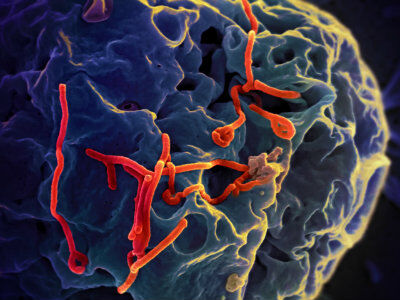
Image Source: Wikimedia



.jpg)