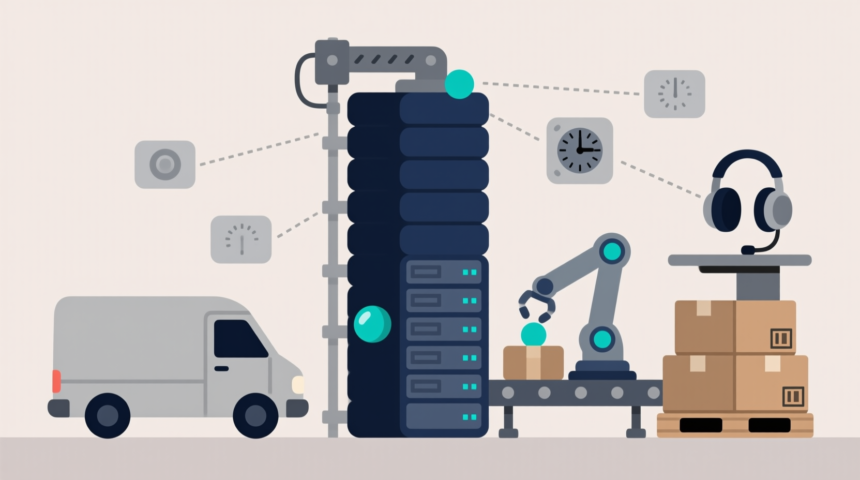
Smart items make up the majority of modern life. We have smartphones, smart speakers, smart cars and an entire Internet of Things (IoT) filled with devices meant to make our lives easier and more intuitive.
Even the data businesses use has the option to become smart when business intelligence practices come into play. Instead of sifting through mounds of information to find the material you need, you can run everything through some software and receive a report outlining the most pertinent details.
Around 80% of companies indicate worries about their ability to keep up with the massive amounts of data generated by the IoT and make sense of everything. As big data grows, it’s even more important to turn it into smart data — or information that makes sense for the needs of each business.
For business owners, one of the most significant benefits of using smart data is reducing business costs in some way. There are several ways breaking data into management reports benefits companies financially.
More Read

1. Avoid Costly Mistakes
In every organization, there is something known as “dark data.” This term describes incorrectly classified or uncategorized data that slips through analytics. The data may also open the system up to attacks via backdoor hackers. In a survey of 1,500 IT and data managers in 15 different countries, researchers found the average organization had as much as 52% unclassified data in their systems.
When critical info isn’t part of reports, your analysis might be off and cost you customers. Security breaches can be even more costly as you seek to clean up the hacking attempt, as well as inform customers of the issue. Security events can lead to loss of reputation and, eventually, lost customers.
2. Reduce Employee Churn
Implementing smart data as part of your human resources methods may help reduce the number of new hires who aren’t a good fit for your company. In a recent study of more than 250,000 employees, researchers found the cost of voluntary turnover costs companies about $15,000 per worker. However, using advanced analytics to sort through facts about each candidate before you hire them results in better matches with your company culture and values. You’ll wind up with employees more likely to stick around for the long haul.
You can also use smart data to conduct annual employee surveys. Allow workers to send in anonymous details about what they do and don’t like about their work, and hunt for patterns in dissatisfaction. Is there anything you can improve that might sway workers toward increased loyalty toward your company?
3. Reduce Fleet Costs
If you hire drivers, installing IoT-type devices can provide some valuable information that cuts down on the cost of managing logistics. For example, get feedback on routes so you can tweak them for better delivery times or to reduce driver fatigue.
You could even reduce fuel consumption by combining some routes and avoiding backtracking. Keep in mind, data isn’t a perfect solution due to blind spots, but you can take steps to identify and resolve those.
Another side of tracking drivers comes into play with vehicle insurance. Some insurance companies now install devices that report data back and will raise or lower rates based on the results. You could offer your drivers incentive for a safe driving score that lowers costs, such as a gift card. You can also conduct in-house training to ensure they drive better than they might otherwise.
4. Outsmart the Competition
If you want to grow your business, you must both keep the customers you have and bring in new clients. One way of bringing in new people is figuring out who your competition is and what they’re up to both online and offline. Use smart data tools to figure out how your competitors reach people online.
For example, tools such as Quick Sprout and SEMrush can show you what keywords they are targeting and where their traffic is coming from. Then, you should do what they do — only better and in a unique way. If you combine analysis of your competition with your smart marketing, no other brand will be able to touch your growth, and you’ll soon grow your revenue.
5. Boost Productivity
The amount of data created every year is phenomenal, and is now on target to double every two years through 2020. Sorting through all that information is time-consuming, but today’s software helps workers pinpoint the exact details needed and produce an easily digestible report. Putting all the information in a system any employee can access also prevents lost time as departments have to communicate back and forth or track down paper reports.
Another way of boosting productivity is installing time-tracking software. However, be careful about implementing this, as it may create resentment from workers who feel you are micromanaging them. Use tracking software to pinpoint patterns in the entire workforce and find ways of improving productivity as a team, rather than tracking each worker as an individual and using the tool for taking them to task over time wasted.
6. Track Inventory
Another way smart data helps businesses save money is by looking for patterns in ordering, so you can keep the inventory you need on hand without having too much stock of any one item. Inventory ties up your funds, so if you have 1,500 widgets and no one buys them, you no longer have that money in your pocket for other purchases or upgrading equipment or processes.
Your warehouse employees can also be more productive if you automate some of their work, such as a tracking system that shows what items they shipped out and spits out a report when you get low on a popular product or even reorders for you.
7. Reduce Energy Usage
Both businesses and homes have started to adopt IoT technology to help reduce their carbon footprint. These devices connect with smart systems and can report back on overall energy use and look for ways to create more efficiency.
By 2021, experts predict spending on energy management systems will hit $76 billion. Imagine your company getting a monthly report on lights that remain on when no one is in the building, so you can set them to turn off automatically.
Or, perhaps reports show the average temperature in the building is much higher than it should be and you also know employees have complained about the heat. Use a smart thermostat to better regulate the temperature.
Develop a Big Data Strategy
No matter what type of business you run, you’re likely drowning in data. Using smart strategies to analyze that data will result in more productive processes, help your business save money and find more profit in your marketplace.