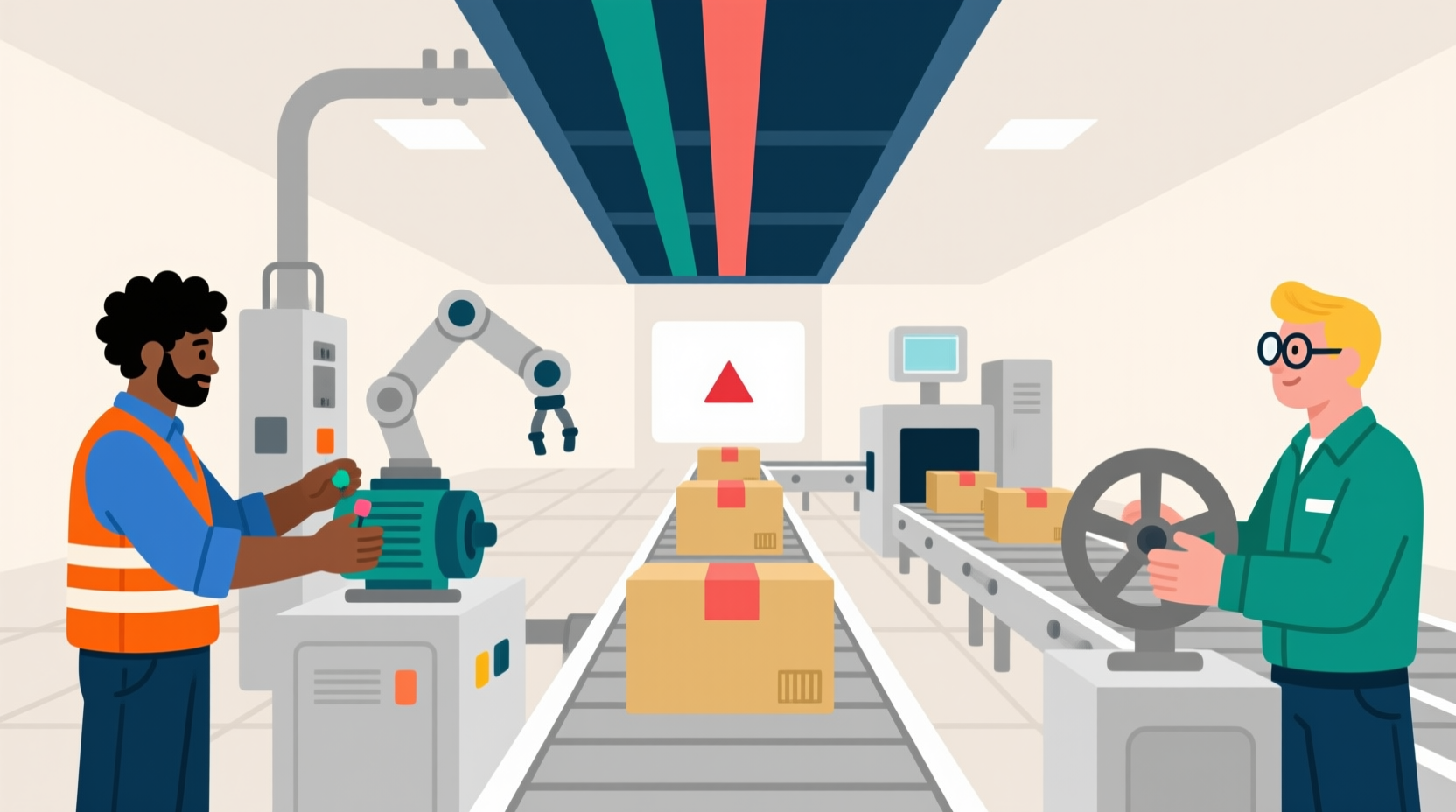
Digital transformation is a hot topic within the business world, but many organizations don’t realize what exactly it implies. Before an enterprise can even think of implementing the latest digital transformation trends, they need to first look at digitization—and digital process transformation in particular. Digital process transformation focuses less on big innovation and more on improving processes, streamlining workflows, and creating a well-oiled, IT-centric operation.
For many enterprises, taking the time to overhaul everyday processes can be overwhelming. Rather than attacking the problem in small, incremental chunks—such as starting by digitizing their content—they get caught up in the idea that they have to completely transform the way they do business. This all-or-nothing approach has led to stagnation, ultimately pushing digitization and digital transformation projects to the backburner.
As they say, Rome wasn’t built in a day. Based on the trends we’re seeing, we believe that digital transformation projects will be brought back down to earth in 2018, with a primary focus on digital process transformation. Once-inefficient business processes will be overhauled, and organizations will take a closer look at the processes that bog down operations and stagnate growth and innovation. Enterprises will shake the operational restraints that have hindered their digital transformation aspirations—moving them closer to the paradigm shifts that exist beyond where digital process transformation has previously stalled.
To help you prepare for what’s to come, we’ve identified the top three digital transformation trends to keep an eye out for in 2018.
1. Emphasis on data security will increase
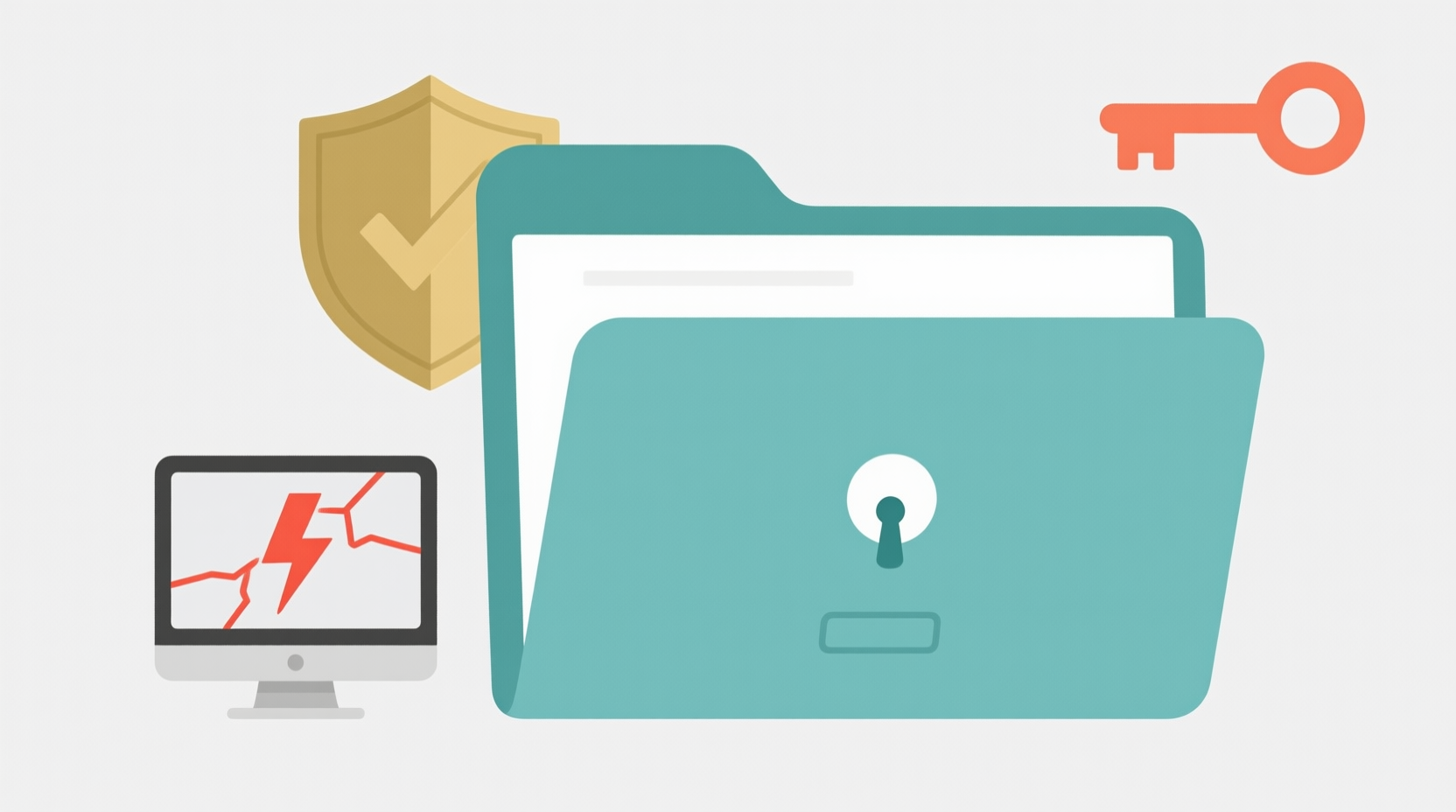
For many organizations, collecting Personally Identifiable Information (PII) is a necessity of doing business. When this sensitive information is stored within a system that isn’t secure, or when this information is shared with the wrong people, however, an enterprise could have a sticky situation on their hands.
With the rise of ransomware threats over the past few years, the need to protect PII is more pressing than ever. Increased legislative measures, such as the General Data Protection Regulation (GDPR), are also set to be enforced in the upcoming year. This will affect many enterprises, particularly those that do business within Europe. Organizations that are not compliant risk stiff fines and penalties, which further reinforces the need for technologies that allow enterprises to identify and protect sensitive information.
In 2018, the security of PII will become a requirement rather than an afterthought. Organizations will start implementing software that redacts all unnecessary PII and keeps it safely under lock and key for the right people to see. Best of all, this will all be accomplished without manual input—ensuring that enterprises don’t waste time, money, and resources sifting through content and trying to identify and redact information manually.
2. Data will develop beyond the database
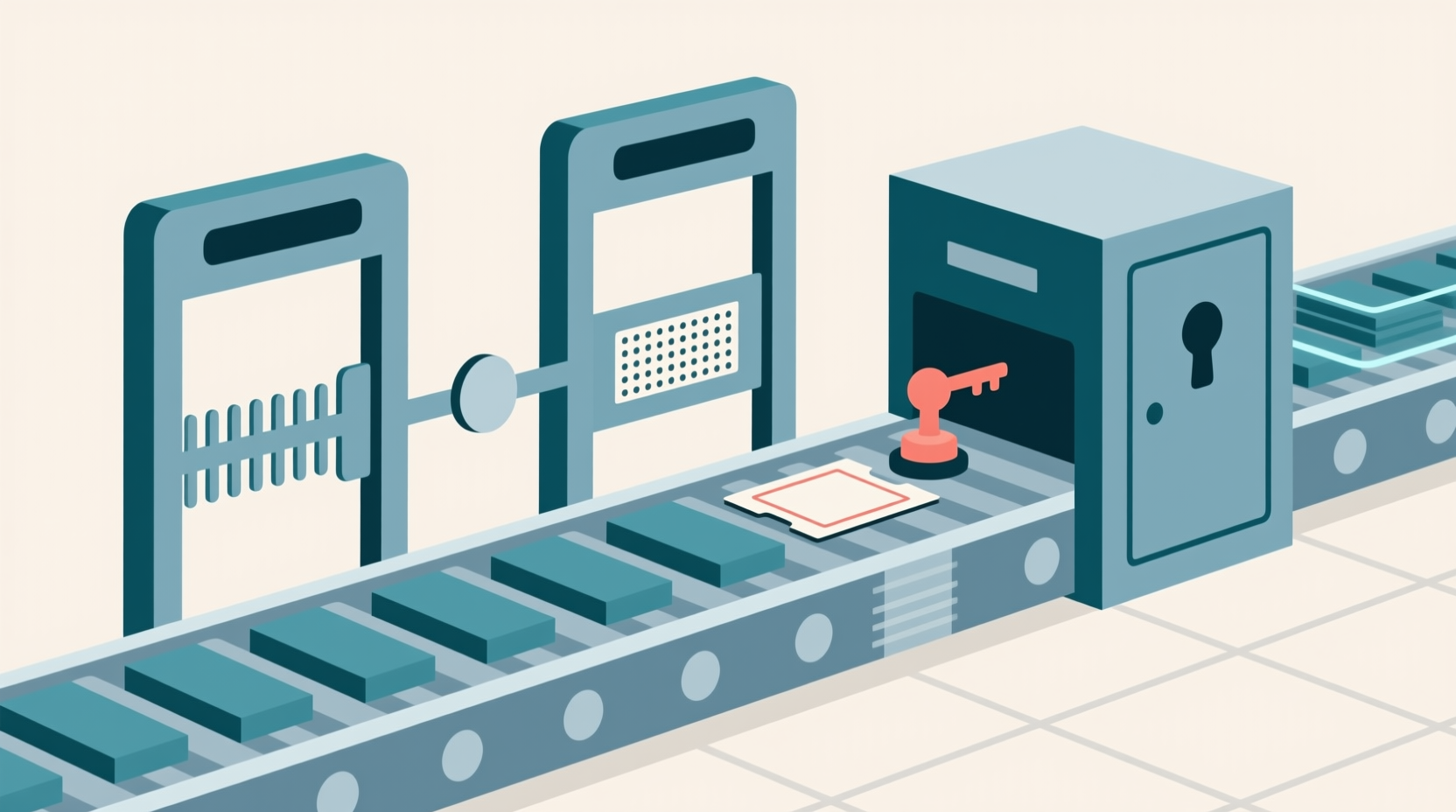
When most people think about data, they imagine an Excel file or a SQL database. In 2018, this definition will finally expand. Technology is available that can read documents just like a human would, meaning that the original source won’t matter. Instead of focusing solely on the structured data your organization has stored, it’s time to start thinking about all the file formats available, from PDF reports to scanned-in JPGs and more.
Based on the digital transformation trends we’re seeing, we believe that the division between structured and unstructured data will start to disappear in 2018. The Big Data and Data Lake projects of the past few years will incorporate more business information than ever before, allowing you to make decisions using all the information you have available—whether that data exists in a database or not.
This trend will also help augment the overall customer experience. Once data rules are in place to ensure automatic processing, customers can submit information in any form they’d like—from email attachments to text messages and more—and everything will be seamlessly captured, processed, and incorporated into the appropriate data bucket.
3. Enterprise search will come into its own
The issue of slow and inefficient search is a relatable one. We’ve all been stuck scrolling through endless search results, hoping that the document we need will soon be unearthed. Inefficient search isn’t just a nuisance, though. When employees spend hours searching for the content they need, critical workflows are slowed considerably. Over time, a minute here and an hour there adds up to a pricey operational challenge.
In the coming year, the issue of search ability will be met with viable solutions. Once organizations eliminate their redundant, obsolete, and trivial (ROT) content, half the battle will be won. And once machine-based intelligence is implemented through a range of enterprise software solutions, efficient search will be reality. In 2018, enterprises could also see the rise of the “if you searched for this, you might also like this” functionality that exists across many personal applications.
How digital transformation trends will affect your organization
In the coming year, there will be a greater emphasis on data security, data will develop beyond the database, and enterprise search will improve. Don’t expect any of these trends to become ubiquitous over the next year, though. Just like self-driving cars won’t be the only vehicles on the road anytime soon, the digital transformations of 2018 will happen through a series of small, incremental changes.
It’s likely that your industry won’t be revolutionized overnight, but by implementing these transformations over time, you’ll make steps towards achieving more efficient business processes. From there, it will be smooth sailing into what’s to come in 2018 and beyond.