Cookies help us display personalized product recommendations and ensure you have great shopping experience.

By using this site, you agree to the Privacy Policy and Terms of Use.
Accept
SmartData CollectiveSmartData Collective
  • Analytics
    AnalyticsShow More
    media monitoring
    Signals In The Noise: Using Media Monitoring To Manage Negative Publicity
    5 Min Read
    data analytics
    How Data Analytics Can Help You Construct A Financial Weather Map
    4 Min Read
    financial analytics
    Financial Analytics Shows The Hidden Cost Of Not Switching Systems
    4 Min Read
    warehouse accidents
    Data Analytics and the Future of Warehouse Safety
    10 Min Read
    stock investing and data analytics
    How Data Analytics Supports Smarter Stock Trading Strategies
    4 Min Read
  • Big Data
  • BI
  • Exclusive
  • IT
  • Marketing
  • Software
Search
© 2008-25 SmartData Collective. All Rights Reserved.
Reading: There’s always a food angle, even in text analytics
Share
Notification
Font ResizerAa
SmartData CollectiveSmartData Collective
Font ResizerAa
Search
  • About
  • Help
  • Privacy
Follow US
© 2008-23 SmartData Collective. All Rights Reserved.
SmartData Collective > Business Intelligence > There’s always a food angle, even in text analytics
Business Intelligence

There’s always a food angle, even in text analytics

TedCuzzillo
TedCuzzillo
4 Min Read
SHARE

Text analytics was one of those things I heard about every so often. Like so many terms in this business, the term comes out of a speaker’s mouth or PR person’s press release only to blow away. There’s no story, no context, nothing to chew on.

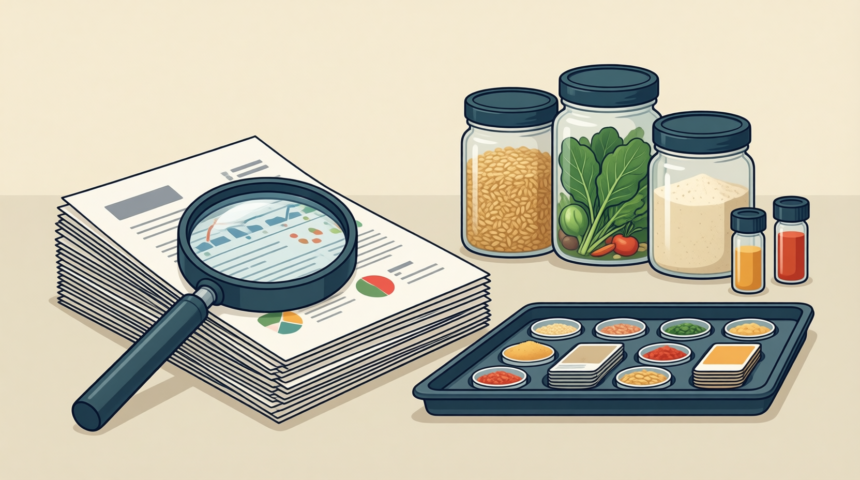
Then came a press release at BI This Week with a rare combination: surprise and concreteness. It said text analytics would help with food safety. I’m all for food, but I had no idea what text analytics had …

Text analytics was one of those things I heard about every so often. Like so many terms in this business, the term comes out of a speaker’s mouth or PR person’s press release only to blow away. There’s no story, no context, nothing to chew on.

More Read

Focusing on decisions to improve the software end product
AI Is Empowering Everyone to Become Their Own Branding Expert
Why BI Projects Fail and What To Do About it
The Future of Customer Service
The customer is King?

Then came a press release at BI This Week with a rare combination: surprise and concreteness. It said text analytics would help with food safety. I’m all for food, but I had no idea what text analytics had to do with it.

I emailed UK-based Linguamatics, publisher of the nifty tool they call I2E. What’s this I hear about food? Product manager Phil Hastings, ready to call it a day in Croatia, called to explain the features to me, barely post-breakfast and not fully verbal. I2E was indeed a powerful little thing, but I still didn’t get the food angle.

It wasn’t until I got William Hayes on the phone that things started making sense. He’s director of library and literature informatics at pharmaceutical research company Biogen Idec. They don’t do food, but close enough.

If you think the Sunday New York Times is enough for one day, consider what the research community has to bear. Hayes says, “If you’ve got 20 million articles to read, where do you start?’

“The research industry works under a tougher knowledge model than terrorist intelligence gathering,” says Hayes. “Our ability to tap that ocean of literature is like dropping a line into the ocean for fish.”

In general, a scientist can read 150 to 200 full text journal articles a year, he explains. A curator can review about 100 abstracts a day “for a few days before you start going nuts.” Text mining is the only way to keep up with the ocean of literature produced each year.

The food industry fries potatoes, but it also has to keep a lookout on research.

TNO information analyst Fred van de Brug told me the acrylamide story: Most people in the food industry missed the first warning. Scientists had published a discovery in 2000 about a carcinogen known as acrylamide, which can develop in starch-rich foods like potatoes as they are fried. By the time the danger finally hit the public media in 2002, millions of people had been exposed unnecessarily. Text mining would have helped.

I2E is more agile than standard text mining. You can learn to use it in a few hours. Hayes told me, “If you can remember bits of grammar and have some concept of what you’re researching, it’s a piece of cake.”

It’s a story in progress for BI This Week.

Link to original post

Share This Article
Facebook Pinterest LinkedIn
Share

Follow us on Facebook

Latest News

data security issues with annotation outsourcing
Data Annotation Outsourcing and Risk Mitigation Strategies
Big Data Exclusive Security
NO-CODE
Breaking down SPARC Emulation Technology: Zero Code Re-write
Exclusive News Software
online business using analytics
Why Some Businesses Seem to Win Online Without Ever Feeling Like They Are Trying
Exclusive News
edi compliance with AI
AI Is Transforming EDI Compliance Services
Exclusive News

Stay Connected

1.2KFollowersLike
33.7KFollowersFollow
222FollowersPin

You Might also Like

big data and website Personalization
AnalyticsBig DataBusiness IntelligenceCollaborative DataData ManagementExclusive

Driving Web Sales with Big Data and Personalization

8 Min Read

Governance of the People? Of the Data? For the …

4 Min Read

Business Intelligence, Competitive Intelligence: What’s the Difference?

4 Min Read

Aloofix v2.0

1 Min Read

SmartData Collective is one of the largest & trusted community covering technical content about Big Data, BI, Cloud, Analytics, Artificial Intelligence, IoT & more.

giveaway chatbots
How To Get An Award Winning Giveaway Bot
Big Data Chatbots Exclusive
ai in ecommerce
Artificial Intelligence for eCommerce: A Closer Look
Artificial Intelligence

Quick Link

  • About
  • Contact
  • Privacy
Follow US
© 2008-25 SmartData Collective. All Rights Reserved.
Welcome Back!

Sign in to your account

Username or Email Address
Password

Lost your password?