We use cookies, including third-party cookies from Google to serve personalized ads through AdSense, to operate this site and understand how it is used. By continuing to browse, you accept this use. See our Privacy Policy and Terms of Use for details, including how to opt out of personalized advertising.
Accept
SmartData CollectiveSmartData Collective
  • Analytics
    AnalyticsShow More
    What Kind of Problem-Solving Distinguishes Data Analysts From Software Engineers -- AI-generated illustration
    What Kind of Problem-Solving Distinguishes Data Analysts From Software Engineers
    7 Min Read
    chatgpt image jul 21, 2026, 04 34 30 pm
    4 Core Benefits of Predictive Maintenance after Vibration Analysis
    10 Min Read
    How Does Data Mining Boost Customer Satisfaction in Logistics? Harnessing Analytics for Results -- AI-generated illustration
    How Does Data Mining Boost Customer Satisfaction in Logistics? Harnessing Analytics for Results
    11 Min Read
    chatgpt image jul 13, 2026, 04 23 45 pm
    How Data Analytics Helps Companies Improve User Engagement
    19 Min Read
    chatgpt image jul 13, 2026, 03 59 46 pm
    How Data Analytics Improves Multi-Location Search Strategies
    10 Min Read
  • Big Data
  • BI
  • Exclusive
  • IT
  • Marketing
  • Software
Search
© 2008-25 SmartData Collective. All Rights Reserved.
Reading: Defining Business Benefits: Hard and Soft
Share
Notification
Font ResizerAa
SmartData CollectiveSmartData Collective
Font ResizerAa
Search
  • About
  • Help
  • Privacy
Follow US
© 2008-23 SmartData Collective. All Rights Reserved.
SmartData Collective > Uncategorized > Defining Business Benefits: Hard and Soft
Uncategorized

Defining Business Benefits: Hard and Soft

Jim MacLennan
Jim MacLennan
5 Min Read
Defining Business Benefits: Hard and Soft
Photo by Michelangelo Buonarroti on Pexels (https://www.pexels.com/photo/woman-in-white-clothes-holding-a-piece-of-glass-8728102/)
SHARE
All projects should have an clear objective, a practical plan,
and an understanding of the costs and benefits to get the thing done.

Easy to say, but a lot of project teams struggle to crisply and clearly define specific business benefits. One way to move the process forward would be to have a clear understanding of the types of business benefits you might claim.

Hard benefits come from firm commitments to make measurable differences in the amount of revenue generated or savings realized. When claiming hard benefits, the business manager will actually increase their revenue budget (or reduce their expense budget) because of the impact of this project.

  • Real, measurable “Top Line”: volume / revenue growth
    • “I will be able to sell 10% more …”
    • “Market share will grow 2% …”
    • “This new product line will generate 5MM pounds incremental sales …”
  • Real, measurable “Bottom Line”: cost reduction, FTE reduction (people)
    • “I will cut 10% of my use of electricity …”
    • “I will eliminate two FTEs [positions] …”

Your guess is as good as mine …

Soft benefits come from the strong belief of the business manager that the benefits will be there – but they may be hesitant to make changes to their budget. The hesitation may be there because there is some risk of attaining the benefits from other factors; or, the savings are based on unsubstantiated estimates (ie. “educated guesses”, aka onager heuristics). When claiming soft benefits, the business manager may not necessarily increase their revenue budget (or reduce their expense budget), hedging against other factors.

An important type of soft benefits is Cost Avoidance; a project that automates a manual process could allow the company to increase the number of transactions processed without adding incremental headcount. You haven’t reduced the operating budget, but you have enabled more productivity without additional cost – this is cost avoidance, and it is an important soft benefit.

Benefits that are subject to risk could be dealt with by making them soft benefits; if the manager is confident of the magnitude of the savings (”… this will cut 20% off the cost …”) but not of the likelihood of the savings (”… if everything goes our way …”), then you should call the total amount a soft benefit.

  • Anticipated “Top Line”: volume / revenue growth
    • “I will be able to sell 10% more, as long as …”
    • “Market share should grow …”
    • “This new product line gives us a leg up on 5MM pounds incremental sales …”
  • Anticipated “Bottom Line”: cost reduction, FTE reduction (people)
    • “I will cut 10% of my use of electricity …”
    • “I will eliminate two FTEs [positions] …”
  • Anticipated “Bottom Line”: cost avoidance
    • “… this will allow me to process three times the volume …”
    • “… this will eliminate downtime …”

Productivity – Many systems projects involve automating manual processes and/or streamlining overly complex processes. Productivity is increased when it takes less time for fewer people to generate more work and more results.

Productivity benefits are quantified as a reduction in the total number of effort-hours per month required to perform a task. We often speak in terms of full time equivalents, or FTEs; to keep the math simple, one FTE is about 2000 hours of work per year.

More Read

What Does the Modern IT Team Look Like?
Does Your City Have a Data Dashboard?
No Data, No Problem (Pt 2) – Your region/division/unit is not special.
Social Media Meets Healthcare
A “Dear CEO” Advice Column

Productivity is a soft benefit because we do not always remove people from the work force when implementing productivity improvements. Typically, the aim of any automation is to free people up to do other process management or analytical tasks. Note, however, that you can turn productivity into a hard benefit by reducing either overtime or headcount.

Note also that it is difficult to establish a common and fair hourly rate for a worker, due to many factors (including job type and geographical wage rates). For this reason, it is sufficient to express productivity in terms of labor hours saved.

Next: Marching down the P&L and the Balance Sheet

TAGGED:project management
Share This Article
Facebook Pinterest LinkedIn
Share
ByJim MacLennan
Follow:
Jim MacLennan is Senior Vice President and Chief Information Officer at IDEX Corporation, a Fortune 1000 manufacturer that sells highly engineered products in a variety of markets worldwide. MacLennan has responsibility for Corporate IT services for all IDEX business units, and also drives innovation through initiatives that leverage Information and Technology as growth drivers for the industrial manufacturing space. He regularly publishes his observations and insights on the intersection of business and technology - check out his work at www.cazh1.com.

Follow us on Facebook

Latest News

Flat editorial illustration: The article’s core relationship is a transfer of discipline from regulated laboratories to analytics
What Business Intelligence Teams Can Learn from Lab Data Governance
Business Intelligence Exclusive
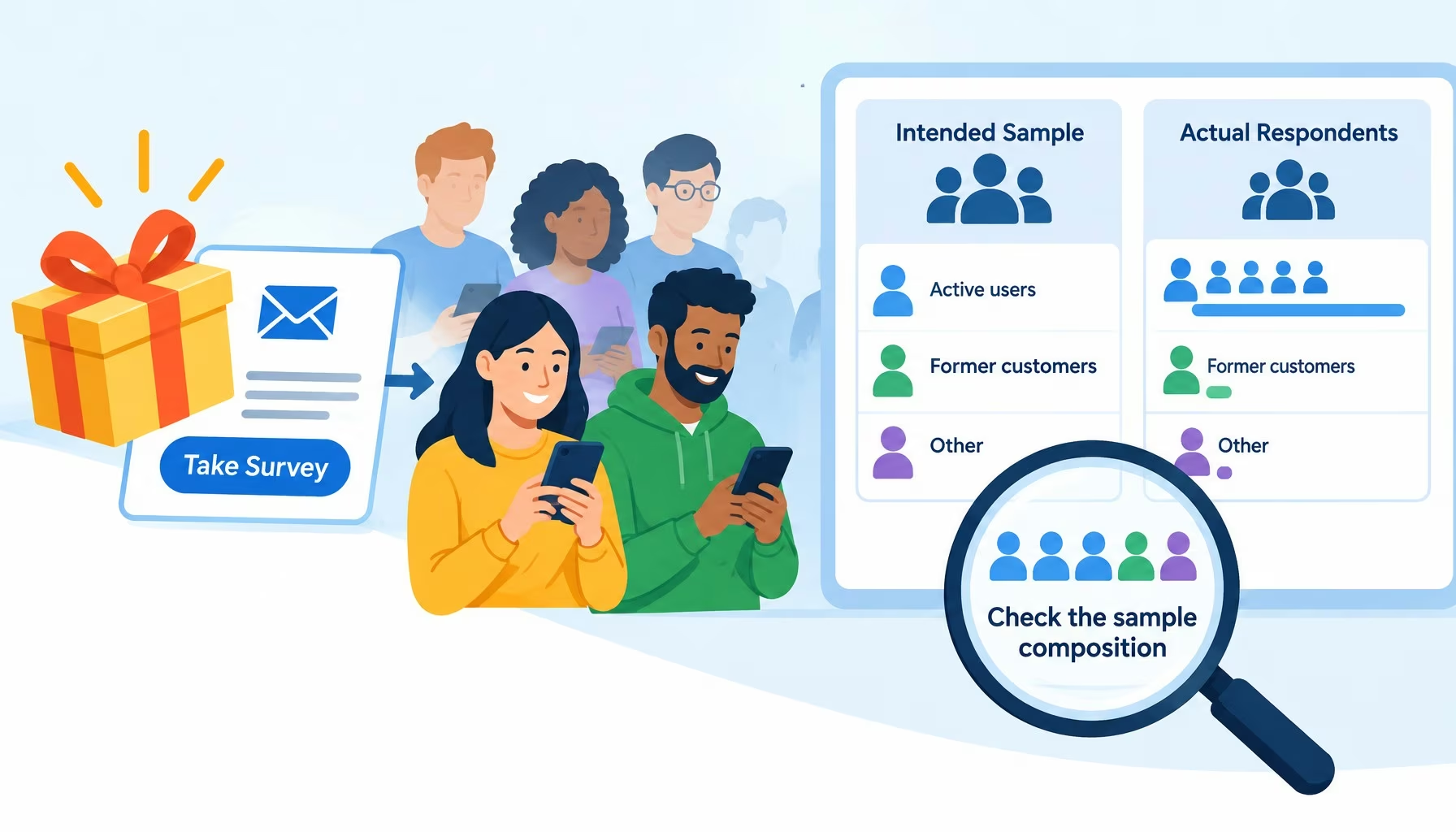
Flat editorial illustration: A guaranteed reward can raise participation while skewing the respondent pool toward active customer
Incentive-Driven Response Bias: Auditing Sample Composition Before You Trust Survey Data
Big Data Data Quality Exclusive
Flat editorial illustration: The article’s core relationship is observable blockchain activity becoming a trustworthy business me
Blockchain Dashboards Need Better Definitions, Not More Charts
Blockchain Exclusive
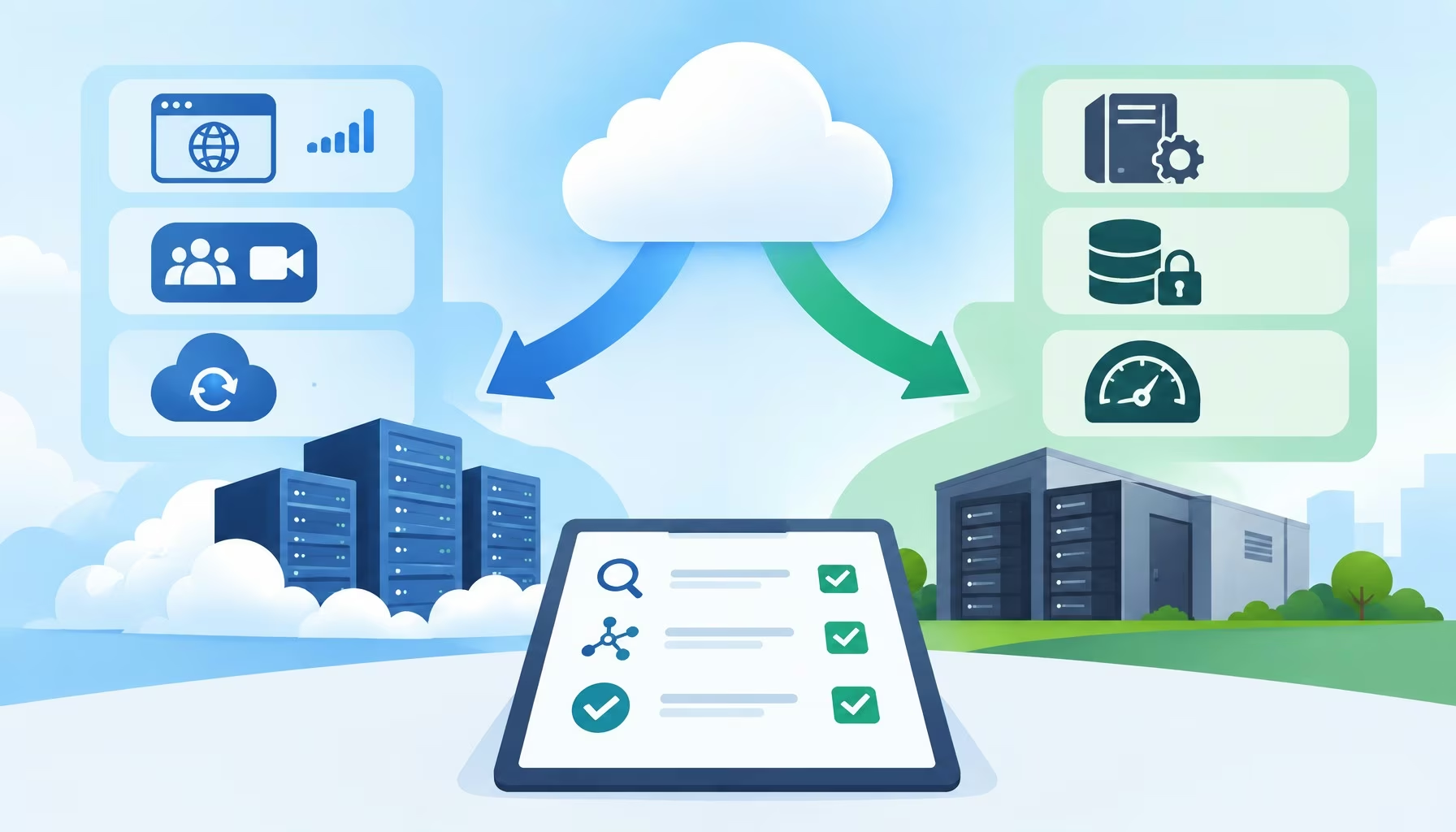
Flat editorial illustration: The article's core relationship is workload-by-workload decision-making for cloud migration, where s
Which Workloads Should Move to the Cloud?
Cloud Computing Exclusive IT

Stay Connected

1.2KFollowersLike
33.7KFollowersFollow
222FollowersPin

You Might also Like

AI Advances Improve Collaboration of Project Management Tools
Artificial Intelligence

AI Advances Improve Collaboration of Project Management Tools

7 Min Read
Project Management: When tribes have no purpose
Uncategorized

Project Management: When tribes have no purpose

5 Min Read
Resource Mistakes, Part III: Silencing Dissent
Uncategorized

Resource Mistakes, Part III: Silencing Dissent

4 Min Read
Who tells who what to do?  Project Mangement Work Puzzle.
Uncategorized

Who tells who what to do? Project Mangement Work Puzzle.

7 Min Read

SmartData Collective is one of the largest & trusted community covering technical content about Big Data, BI, Cloud, Analytics, Artificial Intelligence, IoT & more.

AI chatbots
AI Chatbots Can Help Retailers Convert Live Broadcast Viewers into Sales!
Chatbots
5 Great Tips for Using Data Analytics for Website UX
Big Data

Quick Link

  • About
  • Contact
  • Privacy
Follow US
© 2008-26 SmartData Collective. All Rights Reserved.
Welcome Back!

Sign in to your account

Username or Email Address
Password

Lost your password?