
Big data technology has been a godsend for countless businesses in the 21st Century. Oracle reports that the average ROI of data analytics is 1,301%.
However, companies need to manage their data effectively to realize these dividends. We talked about some of the ways they can do this in a previous post, but wanted to get into the nuances of managing digital records.
Managing Data as a a Data-Driven Business
Many businesses feel that managing digital records these days is equivalent to finding a needle in a haystack. With the sudden increase of digital data all over the world, companies are finding it difficult to manage the tidal wave of this information.
This sudden spurt of data is known as digital overload and makes it extremely tedious for companies to manage, store, and retrieve data in an efficient manner. We talked about some great tools in this article, but wanted to focus on a more specific one.

If companies are not using a proper electronic records management system, then they are likely to face challenges with regulatory compliance, data security, and operational efficiency.
This blog post will look into strategies to tackle the above mentioned challenges. By the end of this article, you will know about practical tips that will help you manage electronic data effectively and keep it under your control.
Understanding the Scope of Data Growth
It might be hard to believe, but data is being created at an astonishing rate every day. One of the biggest sources of data generation are businesses all over the world that produce huge amounts of digital records in the form of documents, emails, and other type of information.
While this huge amount of digital information helps companies make data-driven decisions, it also presents significant challenges in management. This is exactly where an electronic records management system steps in to handle the data overload and manage it effectively.
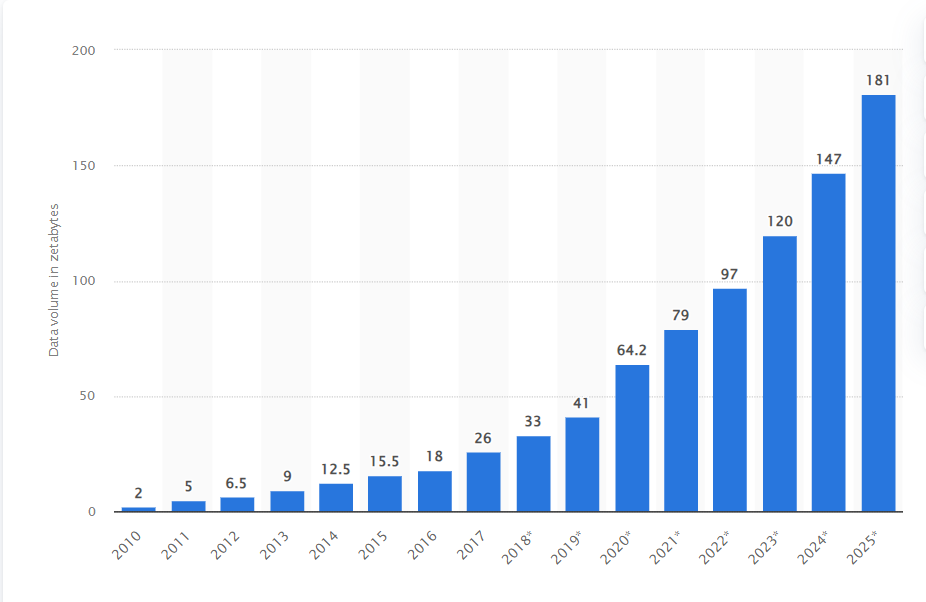
Source: Statista
According to Statista, the amount of data is growing at an unprecedented rate and is predicted to cross 180 zettabytes by 2025. This growth shows that there is an urgent need for electronic records management systems to handle the increasing volume of data.
With a capable ERMS, the business can manage its digital records much more efficiently by storing, categorizing, and retrieving them. This will not only reduce clutter but also help companies find important records easily.
Enforcing a Robust Electronic Records Management System (ERMS)
A well-selected ERMS can make organizing, storing, and retrieving your records much easier, ensuring your business runs smoothly and efficiently.
How to Choose The Right ERMS?
When selecting an ERMS, look for one that fits your company’s specific needs. Consider factors like your business size, the type of records you handle, and your budget.
A good ERMS should be scalable and must be able to handle increasing amounts of data.
Features to Look For:
- Automation: An ERMS with automation features can save you time by automatically categorizing and indexing records. This means you won’t have to sort through documents manually, making the process faster and more accurate.
- Cloud Integration: Storing your records in the cloud allows for easy access from anywhere. This is essential if your team works remotely or from multiple locations.
- Advanced Search Capabilities: A powerful search function helps you quickly find the needed records. Look for an ERMS that allows you to search by various criteria, such as keywords, dates, and document types.
- Security Features: Choose an ERMS with strong security measures, such as encryption, access controls, and audit trails, to safeguard sensitive information and ensure compliance with regulations.
Strategies for Effective Data Management
Managing your digital records effectively requires a few key strategies. Implementing these strategies within your electronic records management system can help your business stay efficient and compliant.
#1 Data Classification and Organization
Data classification involves sorting your records into categories based on type, importance, or any other relevant criteria. This makes it easier to find and use the information when needed. A good electronic records management system should help automate this process, saving you time and reducing errors.
#2 Retention Policies
Retention policies are rules about how long you keep different types of records before disposing of them.
Having clear retention policies helps manage the lifecycle of your data, ensuring you keep necessary information and securely delete what you no longer need.
This helps manage storage space and ensures compliance with legal and regulatory requirements.
#3 Automated Data Management Tools
Automation tools are adept at handling repetitive tasks such as categorizing, indexing, and even deleting records according to retention policies.
This reduces the burden on your staff and ensures consistency and accuracy in your data management processes.
#4 Big Data Analytics
By analyzing large datasets, you can uncover patterns that help you make informed business decisions.
Big data tools integrated into your electronic records management system can help you better understand your data and use it more effectively.
#5 Regular Audits and Reviews
Regular audits and reviews of your data and records management practices ensure everything is up to date and compliant with policies.
This helps detect and fix any issues early, maintaining the integrity and accuracy of your records .
Implementing these strategies within your electronic records management system will help streamline your data management processes, making your business more efficient and ensuring that your digital records are well-organized and secure.
In Conclusion
Managing digital records is a big challenge for businesses today. However, a good electronic records management system can simplify this task.
By following these tips, your company can handle data overload efficiently and maintain a well-organized electronic records management system. Now is the time to review your data management practices and implement these strategies to improve your digital records management.