If you are familiar with where technology is heading, you know that the future belongs to smartphones. More and more, people are using their smartphone to do almost everything.
So it’s no surprise that mobile apps are exploding in popularity. According to Gartner analysts, users downloaded 102 billion apps last year alone. That’s a staggering number.
If you are familiar with where technology is heading, you know that the future belongs to smartphones. More and more, people are using their smartphone to do almost everything.
So it’s no surprise that mobile apps are exploding in popularity. According to Gartner analysts, users downloaded 102 billion apps last year alone. That’s a staggering number.
More Read

We can use mobile apps to look for the nearest coffee shop, watch live sports, buy things online, and even check our bank account and pay our bills. What we used to only be able to do with computers, now we can do with our phones.
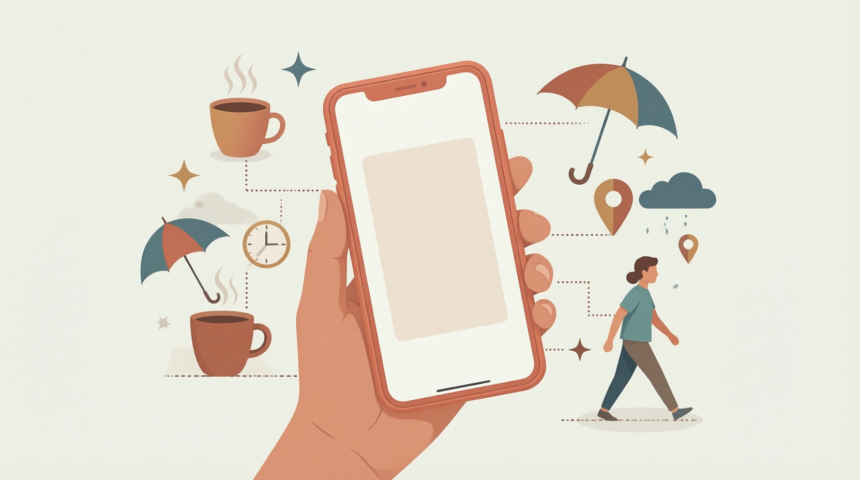
The new thing in the app world is something called “contextual apps.” Contextual apps are mobile apps that can figure out where we are or what we are looking at and then present us with all kinds of information about that spot. They can figure out our commute to and from work, information about our upcoming appointments, who our favorite sports teams are, and even what we like to read on our smartphone.
The Promise of Contextual Apps
What sets contextual apps apart from other mobile apps is their ability to figure out your needs and anticipate your interests. Then they can present you with relevant information, or ads for a particular product, for example.
Things really get interesting when the apps that gather these signals start to be predictive. When that happens, your phone can start anticipating your needs, interests, and habits and give you relevant information, apps, and even coupons and ads.
All that sounds pretty good. Just another example of technology making our lives easier for us, right?
Of course, there’s a catch.
The Dark Side of Mobile Apps
In order for any mobile app to present us with relevant information, it usually needs access to our location. But what is the app doing with our location information, exactly? Where we go and what we do tells a lot about us. Are these mobile apps protecting this information?
One way to think about your mobile phone is that it’s basically a tracking device. It tells whoever wants to know where you go, who you visit, and where you shop. It reveals your interests, your hobbies, and how you like to spend your free time.
It doesn’t end there. Some apps that don’t even need access to your location information gather it anyway. Other mobile apps have even gotten access to users’ contact lists.
The problem with most mobile apps is that they usually offer very little information to the user about how they safeguard your information and who they share it with. Most mobile apps are developed quickly, and little thought is given to privacy policies. It’s usually something to be added hastily (if at all) at the last minute. But even if mobile apps do have privacy policies, it doesn’t mean that they are necessarily safeguarding your private information.
Which means that if a mobile app has access to your location, they just might be sharing that information with other companies who want to know where you go too.
As is usually the case, there is always a trade-off between convenience and privacy. Perhaps you are the kind of person who wants to be notified about all the relevant offers based on your interests, so you are fine with allowing your mobile apps to track you and get access to your personal information.
But perhaps you aren’t okay with being tracked, and if that’s the case, you should think twice before installing any mobile app that gets access to your personal information.
After all, shouldn’t you get to determine who can follow you around?