The need to protect data is one that most companies are more than aware of. However, many businesses operate under the misconception that any potential threats or breaches are being conducted externally.
Employee negligence is a very costly cause of data leaks. The average cost of a data record compromised by a careless employee is $160. Around 66% of all data leaks are caused by employees making mistakes with digital records.
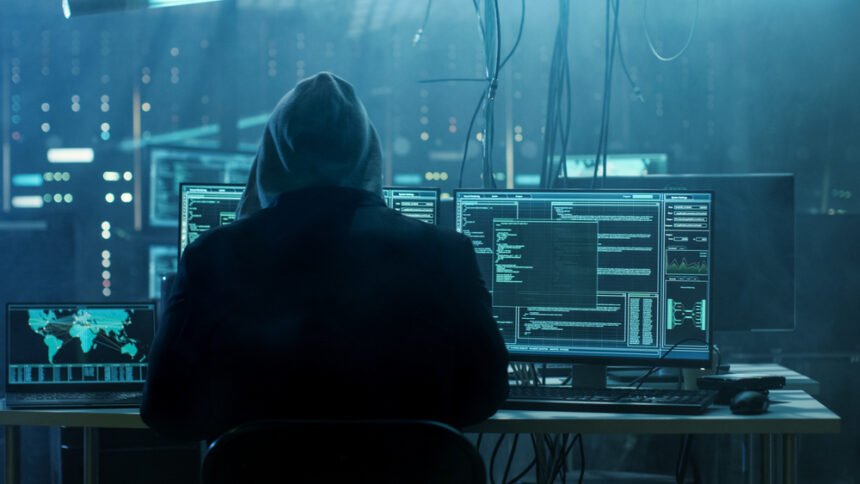
Images of internet hackers sitting in the dark making use of overly complex codes to steal data are not uncommon. But in most instances, the real risk comes from within.
Quite often, staff and employees may not be aware that they are leaking information. For this reason, it’s highly important to implement the correct strategies to minimize any potential breaches.
So, let’s take a look at how internal data leaks happen, and more importantly, how you can stop them.
Primary causes of internal data leaks
There are a variety of methods that can cause potential data leaks. Although a member of staff could be doing so intentionally, more often than not, leaks and data breaches are born from carelessness.
From conversing on personal devices (BYODs) to sending documents to the wrong recipient, or using unsecured applications for transfers, the risk for potential leaks is high.
To reduce this possibility, most employees will need the correct training. Learning how to take care of ‘confidential data is an important skill, and it is the company’s job to implement these benchmarks for their staff.
Alongside this, making use of the right internal programmes/software and creating an optimal level of security is a must for any business with access to confidential data.
Potential consequences
Sensitive or confidential data is certainly a big part of any company’s assets. No matter how small a data leak is, it can bring almost any business to a standstill.
Whilst breaches/leaks have the potential to reduce a company’s profit margin as well as a shareholder’s level of trust, in some instances, it can bring about penalties, fines, and in the worst scenario, court proceedings.
It goes without saying that these are all things that any company with hopes for success wants to avoid.
Compliance and regulations
Any employee working at a company is legally obliged to keep confidential data secure. Although it may not be written so clearly within an employee’s contract, there are usually clauses to state this.
This will include when an individual leaves their role or terminates their contact. Under normal proceedings, a responsible business will inform ex-employees to sign a confidentiality agreement; even if they are no longer working for the company.
Management levels
To maintain the very best practices in regards to securing data, many companies tend to keep their most confidential information inaccessible to ‘lower-level employees’.
Whilst this works to a certain extent, it also opens up the potential for leaks to stem from management itself. For this reason, most operational businesses now enrol their management staff in cyber-security courses and training.
Practising good CSR
Keeping your company’s data secure is also a question of practising good CSR (Corporate Social Responsibility).
Employees with access to highly confidential information are more likely to abide by a company’s regulations when they are happier and respected.
Managing working relationships and taking care of your CSR practices can be useful when it comes to maintaining a level of trust within the company.
Intentional leaks
If you suspect any intentional (internal) leaks within your company there are a few things you can do to identify the culprit(s).
Closely monitoring staff email accounts and keeping an eye out for unusual activity may help to lead you to the origins of the leak.
In order to conduct these activities legally, employees will need to be informed that the company has access to the information they share in advance.
By encouraging staff to make a report if they suspect a leak or have information relating to the potential misuse of data, can also reduce the risk of leaks occurring.
This is mainly because employees considering sharing information may think twice if they believe an internal team is keeping an eye out.
How to handle data leaks
Leaks happen sometimes, and they usually occur when staff are improperly trained as well as when a company isn’t employing the right data security practices.
If you’ve identified a leak, try to do your best to find out how it happened. To create a trustworthy atmosphere in your company it’s probably best not to point the finger until you’re certain.
If the leak has occurred because of a lack of training, then employees will need to learn the right skills and practices by following a set example. If you have uncovered that this was, in fact, an intentional leak, then there will be a separate set of internal procedures to follow.
What else can you do to protect your data?
Although we have mainly focused on problems with your people, many leaks are down to poor network security. By putting the correct technical measures in place, you can ensure that any confidential data is protected in the best possible and most efficient manner.
Typical examples of these would be access controls, specific firewalls, and threat management systems which work well to minimise the risk of a leak and should one occur, will reduce the severity.
With many more people working remotely in recent months, network access has never been more important and securing employee internet access will reduce the risks significantly.
Hackers and snoopers will typically intercept network access using insecure networks and if the connection is unencrypted this could result in a data leak.
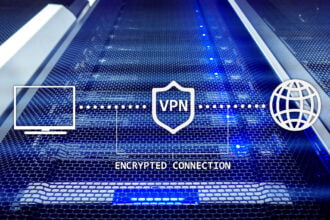
If your company has access to a large amount of confidential information, then it might be worth looking into installing a Virtual Private Network (VPN).
A VPN like the PIA VPN Service protects and encrypts data when using a public Wi-Fi connection. This means that staff are naturally less likely to leak data, be it unintentional or not. A VPN can also be used in the home if it is not possible to secure the connection to a router and will allow the staff member to connect safely to the company’s main systems.
By using a VPN, you can also disguise your server’s location, making it harder to intercept. Alongside this, when data is encrypted it makes it almost always unreadable, even for your internet service provider.
If stopping data leaks are at the top of your priority list, and they should be, then by following some of the methods above you should be more than prepared to prevent them from happening.