We use cookies, including third-party cookies from Google to serve personalized ads through AdSense, to operate this site and understand how it is used. By continuing to browse, you accept this use. See our Privacy Policy and Terms of Use for details, including how to opt out of personalized advertising.
Accept
SmartData CollectiveSmartData Collective
  • Analytics
    AnalyticsShow More
    What Kind of Problem-Solving Distinguishes Data Analysts From Software Engineers -- AI-generated illustration
    What Kind of Problem-Solving Distinguishes Data Analysts From Software Engineers
    7 Min Read
    chatgpt image jul 21, 2026, 04 34 30 pm
    4 Core Benefits of Predictive Maintenance after Vibration Analysis
    10 Min Read
    How Does Data Mining Boost Customer Satisfaction in Logistics? Harnessing Analytics for Results -- AI-generated illustration
    How Does Data Mining Boost Customer Satisfaction in Logistics? Harnessing Analytics for Results
    11 Min Read
    chatgpt image jul 13, 2026, 04 23 45 pm
    How Data Analytics Helps Companies Improve User Engagement
    19 Min Read
    chatgpt image jul 13, 2026, 03 59 46 pm
    How Data Analytics Improves Multi-Location Search Strategies
    10 Min Read
  • Big Data
  • BI
  • Exclusive
  • IT
  • Marketing
  • Software
Search
© 2008-25 SmartData Collective. All Rights Reserved.
Reading: Privacy regulations: fear, loathing and AOL
Share
Notification
Font ResizerAa
SmartData CollectiveSmartData Collective
Font ResizerAa
Search
  • About
  • Help
  • Privacy
Follow US
© 2008-23 SmartData Collective. All Rights Reserved.
SmartData Collective > Uncategorized > Privacy regulations: fear, loathing and AOL
Uncategorized

Privacy regulations: fear, loathing and AOL

StephenBaker1
StephenBaker1
3 Min Read
Privacy regulations: fear, loathing and AOL
Photo by geralt on Pixabay (https://pixabay.com/photos/hand-write-regulations-provisions-4249392/)
SHARE

My timing was off. I marketed my book on data, the Numerati, when the world economy was collapsing. I should have picked now, when the government appears to be moving to clamp down on online tracking. Looking back, I’d want to beef up the coverage of privacy in the book. But that said, one thing the book makes clear is that data privacy extends far beyond the Internet, into grocery stories, hospitals, EZ pass, cell phone networks, not to mention the cloaked world of counter-terrorisim.

I think it will be next to impossible to draw up legislation that can foster growth and creativity and business on the Internet while satisfying everyone’s privacy concerns. This would be tough for an intelligent, highly informed, ethical and far-sighted group of people. I can only imagine what will come out of the U.S. Congress. In the end, I expect some crowd-pleasing gestures, a bow toward opt-in, and then pretty much the status quo. The commercial and security interests in online data are too strong for the government to clamp down too tight.

As I mentioned on a previous post, fears about online privacy create all sorts of market opportunities for companies in the business of selling or guaranteeing privacy. It’s the privacy pay-off. And it occurs to me that privacy could be the solution for AOL. It could finally give the struggling service, after a lost decade, a raison d’etre.

Imagine if AOL rebranded itself as the place for privacy. The site could provide all sorts of tools for people to control their data, institute stict opt-in policies, have clear information at every juncture about the risks, the opportunities and the choices. AOL could be special. And I’m betting that other portals would hurry to catch up. This is a better strategic option than folding into Yahoo.

More Read

4 Retail BI Lessons to Learn from Google's Nexus Fail
4 Retail BI Lessons to Learn from Google’s Nexus Fail
6 Ways to Futureproof Your Linux Infrastructure [SLIDESHARE]
Data Is in Fashion, But Barriers Exist to Deliver Retail Customer Engagement Strategies
Netflix Asked the Wrong Analytics Question
The Missing Pieces of Master Data Management Services

Yahoo could do make the same privacy play, of course. But I sense that Yahoo is still too big and unwieldy. AOL, with its legacy as a wall-garden, has a better chance.


TAGGED:aol
Share This Article
Facebook Pinterest LinkedIn
Share

Follow us on Facebook

Latest News

Flat editorial illustration: The article's core relationship is workload-by-workload decision-making for cloud migration, where s
Which Workloads Should Move to the Cloud?
Cloud Computing Exclusive IT
Flat editorial illustration: The article positions data governance as a strategic board-level concern rather than a purely techni
Why Data Governance Is Becoming a Board-Level Business Priority
Big Data Exclusive Policy and Governance
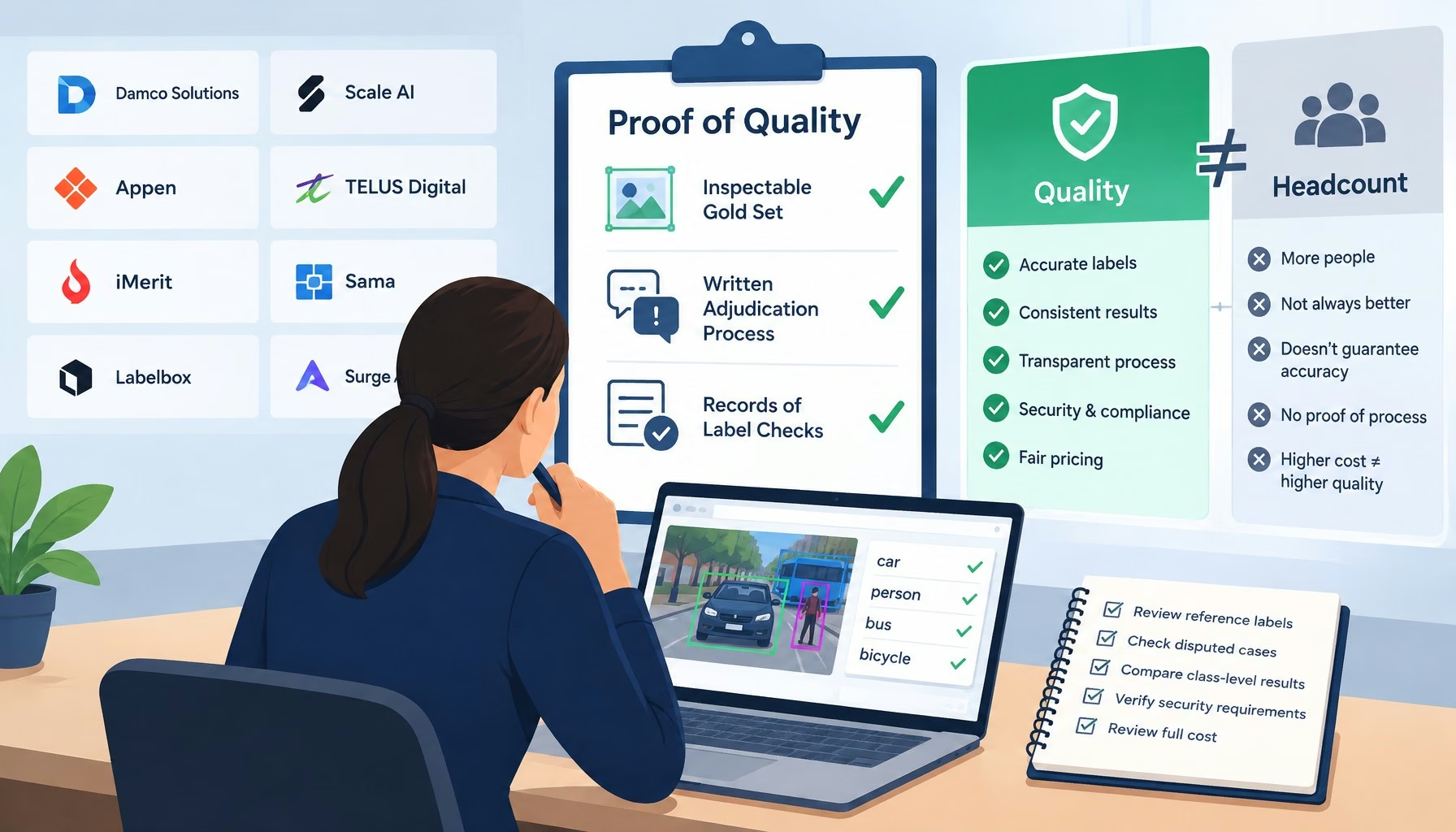
Flat editorial illustration: The article argues that data annotation quality should be measured by inspectable gold sets, written
The Top Data Annotation Companies Are Separated by Proof of Quality, Not Headcount
Big Data Exclusive
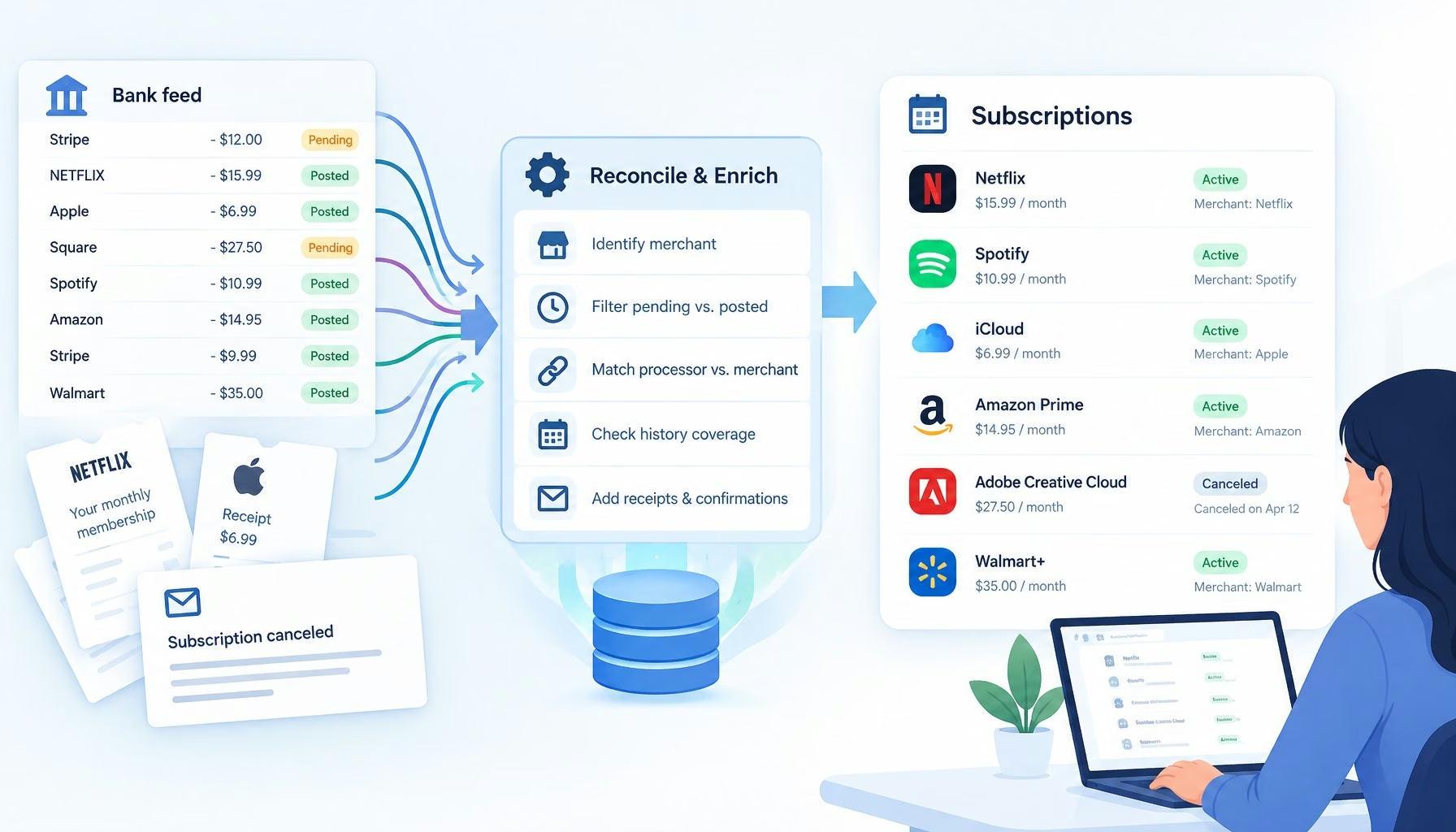
Flat editorial illustration: The article's core relationship is the gap between raw bank-feed records and reliable subscription i
Subscription Trackers Have a Transaction Data Problem
Big Data Exclusive

Stay Connected

1.2KFollowersLike
33.7KFollowersFollow
222FollowersPin

You Might also Like

Practitioner Interview with Brett Cohen of AOL
AnalyticsPredictive Analytics

Practitioner Interview with Brett Cohen of AOL

5 Min Read
On AOL and Small Data
Data QualityData Warehousing

On AOL and Small Data

4 Min Read

SmartData Collective is one of the largest & trusted community covering technical content about Big Data, BI, Cloud, Analytics, Artificial Intelligence, IoT & more.

AI chatbots
AI Chatbots Can Help Retailers Convert Live Broadcast Viewers into Sales!
Chatbots
Artificial Intelligence for eCommerce: A Closer Look
Artificial Intelligence

Quick Link

  • About
  • Contact
  • Privacy
Follow US
© 2008-26 SmartData Collective. All Rights Reserved.
Welcome Back!

Sign in to your account

Username or Email Address
Password

Lost your password?