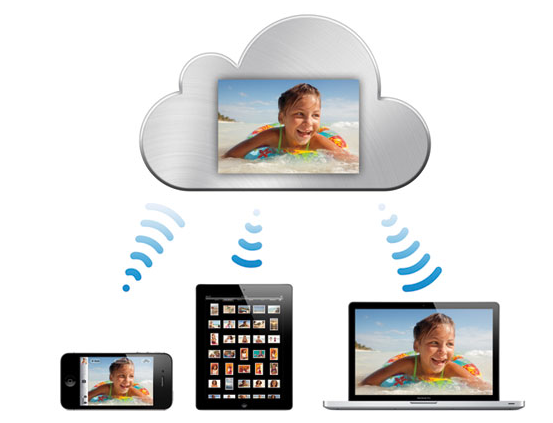
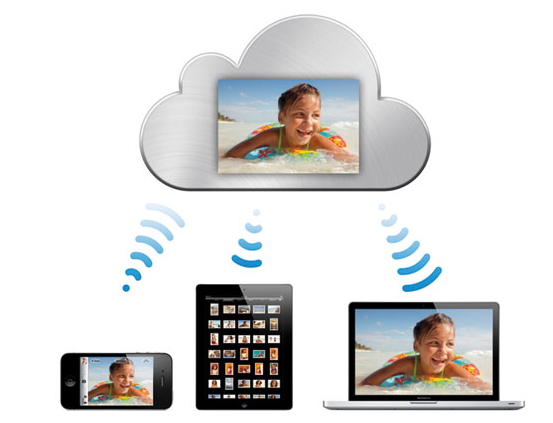
 Since hackers leaked nude photos of more than 100 celebrities from their phones to the Internet, people have been concerned about the security of the iCloud serviceSince hackers leaked nude photos of more than 100 celebrities from their phones to the Internet, people have been concerned about the security of the iCloud service, where the photos were stored. Fortunately, there are steps you can take to avoid becoming the victim of a similar attack.
1. Choose a Secure Password
Hackers got hold of the celebrities’ private photos using brute force attacks to guess the celebrities’ passwords. These attacks use machines to test one password after another until they finally get the right one. You can reduce the chance that a similar attack will correctly guess your password by choosing one that meets the following criteria:
Longer passwords are better—Apple requires you to use at least eight characters, but the more you can use, the harder the password will be to guess.
Use upper and lowercase letters, as well as numbers, punctuation marks, and symbols.
Don’t use words found in your name, your account name, or in the dictionary as your password. Also avoid common phrases, and definitely don’t use “password” as your password.
Choose a unique password for each account. Using the same password for all your social media and other online accounts leaves all your data vulnerable if hackers manage to compromise just one site.
Changing your password regularly is a key part of network security. Make sure to change it every few months.
2. Use Two-Stage Verification
Two-stage verification improves network security by requiring that you enter not just a password, but also a unique code to log in. When you set up two-stage verification for iCloud, Apple will send an SMS to your mobile phone whenever you try to log on. You will need to enter the code contained in this message to gain access to your iCloud account. As a result, a hacker cannot access your photos unless they also have access to your phone.
3. Protect Your Email Address
Ultimately, your iCloud account is only as safe as the email account you use as your login. Hackers who gain access to your email account can use it to reset your iCloud password, which would give them access to your private photos.
To protect your email address, choose a strong, unique password (as mentioned above). You should also add a second “rescue” email to your account, so that even if a hacker does take over your primary email, you can retain control over your Apple ID and iCloud account.
It’s also advisable to not click on any links contained in emails from suspicious sources. These types of phishing attacks can send users to websites where malware is downloaded to the user’s computer. The malware may end up stealing email account information, and with it, information related to iCloud.
4. Disable Automatic Uploads
When you save photos to your iPhone, the phone automatically uploads them to the iCloud server. This automatic upload process has the advantages of backing up your photos so they won’t be lost if you lose or break your phone, and making them accessible on any of your devices. But it also exposes them to a greater risk of being hacked. If you would rather keep your photos only on your phone, then you can turn off the Photo Stream feature of iCloud via the Settings menu.
Conclusion
Many of the security issues that affect Apple iCloud also affect other cloud-based storage solutions. Short of keeping all of your photos on a hard drive that has no access to the Internet, you can never guarantee that your files are 100 percent safe from hackers, but you can reduce the risk significantly by following basic network security good practices. Rather than abandoning iCloud as a way to protect yourself after the recent celebrity photo scandal, follow the steps above to improve your online security and keep yourself safe.