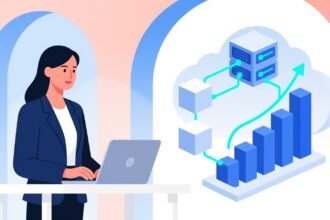
All technologies today are connected to cloud computing. And unsurprisingly, robotics as well. The biggest beneficiary of this mix of novel and complex technologies seems to be the manufacturing sector. By the end of this year, the global expenditure of robotics and robot-related services will reach approximately $135 bn. As a comparison, the 2015 expenditure of robotics was only $71 bn.
By 2020, the robotics technology market is expected to reach almost $83 bn, according to the Global Robotics Technology Market 2013-2020.
What is Driving Growth in the Robotics Sector?
A main growth generator in the robotics sector is the need for reduced manufacturing costs. These usually come from human labour. The high demand also comes from the need to compensate for the lack of human workers. Developing countries with higher living standards seem to have higher adoption rates of robotic technologies and equipment. Higher living standards and a lower need to work in factories or work physically-demanding jobs make people avoid such positions. In this scenario, players in the manufacturing industry need to compensate for the lack of human labour with robots.
And so, a growing number of fresh companies entered the sector, hoping to develop better automation tools and refine customer service and experience.

Main Uses of Robotics and AI
Robotics seems to take over a series of industry-related tasks that are normally too dangerous, risky or challenging for humans. Besides protecting the human worker from injuries and physically-demanding jobs, robots also show higher accuracy and precision levels.
When paired with late AI technologies, robots can be successfully used in factories in the manufacturing sector. Merchandise development and assembly but also pharmaceutical manufacturing are two of the biggest beneficiaries of AI and robotics. The accuracy needed especially in medication manufacturing boosts productivity and profitability of some of the biggest players in the industry.
On the other hand, cloud-based enterprises already started building smart chatbots, mainly used in customer service building process. Providing human-like assistance without overloading the human worker?s schedule, making the correct product recommendations and also helping them save more money in the process.
Industrial-grade robots and chatbots don?t only come in consumers? help, but also in enterprises? help. They help enterprises lower expenses and increase consumer satisfaction levels in the long run, by offering progressively better products and services.
How Can Robots and Cloud Technologies Help Industries?
Robots as a Service (RaaS) technologies have grown in popularity over the past few years, just like robotics have. AI-enabled RaaS is nowadays used in many tasks associated with the manufacturing industry. Manufacturing sectors with higher demands for increased functional tasks of cloud technology are also big industries that benefit from such technologies.
The RaaS model has recently become a common occurrence in the agro sector. Agricultural robots take over some of the most physically-demanding tasks that were previously performed exclusively by humans. Drones have also been included in the agro sector by a growing number of farmers. These are due to grow agricultural crop production and closely monitor crop growth.
Wider adoption of robotics has been noticed in the healthcare sector as well. Similar technologies are now used to perform tedious tasks, interact with patients, check on their health status and suggest appointment in the future.
The data gathered by robots in different service sectors can be stored in the cloud and successfully used in the future. This ensures productivity growth and lower costs for enterprises in similar fields. Data analytics has become a powerful resource for many businesses across all fields not only because of these reasons but also because it allows smart enterprises employees to use it in numerous business-related tasks, lower the necessary time for processing them and focus better on their duties.
Manufacturing Robots Bring Competitiveness When Effectively Integrated
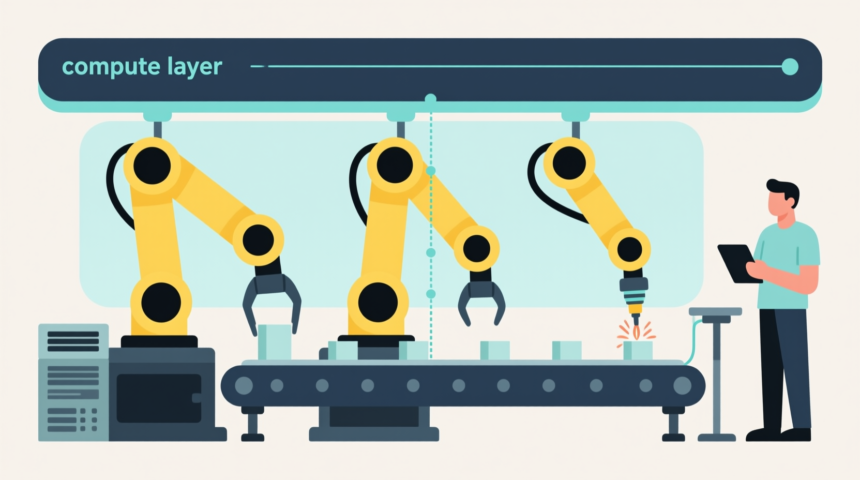
The rise of robots in manufacturing has brought them in close collaboration with human workers. Advanced factories use manufacturing robots to boost their production rates and lower production fault rates. In this context, enterprises in the manufacturing sector can enjoy deeply integrated departments, network linked cooperatives, shorter downtimes, higher production pace, better production lines, all these tanks to robotics and artificial intelligence.
Human employees in manufacturing factories are no longer demanded to perform risky jobs and tasks, thanks to automation and robotics adoption. Working in dangerous environments becomes less common in enterprises all around the world. Now robots have taken over those risky tasks. But AI brings enormous contributions as well. Soon enough, workforce structure will be changed to its core by the expansive adoption of AI technologies in the manufacturing field. A series of departments in manufacturing enterprises lack the necessary support to carry their tasks effectively, in a productive fashion. With higher integration of AI technologies, cloud computing and robots these duties will soon be accomplished in a smart automated fashion.
Dreadful manual tasks like sorting goods are largely manually operated today. However, a better robotics integration will allow workers of the future to handle more important tasks but also perfect production lines in such a manner where manufacturing faults no longer exist to the current amplitude. Packing goods, palletizing them and quality inspection tasks have already been integrated with manufacturing production likes and workflows.
When it comes to robotics, there are virtually no limitations to the fields where they can be successfully adopted and implemented. With a perfect balance between AI, Cloud Computing and Robotics, the industrial revolution of the 21st century is about to be pushed forward to unexpected levels.
Automation and Robotics ? A Proper Implementation
Ensuring the proper implementation of some of the latest technologies today will bring higher competitiveness levels and better adaptation capabilities in a highly dynamic field. Successful implementation of AI and robotics in manufacturing companies should follow the logical flow described below.
- Assessing the current situation in the manufacturing unit.
- Discuss honestly with companies that might be able to help you implement your cloud and robotics needs.
- Test the suggestions in a single department and scale the implemented technologies factory-wide, if successful.
Conclusion
When it comes to industrial automation, cloud computing, and robotics are trends to watch this year and well into the future. They’re shaping the way technology develops.