Cookies help us display personalized product recommendations and ensure you have great shopping experience.

By using this site, you agree to the Privacy Policy and Terms of Use.
Accept
SmartData CollectiveSmartData Collective
  • Analytics
    AnalyticsShow More
    warehouse accidents
    Data Analytics and the Future of Warehouse Safety
    10 Min Read
    stock investing and data analytics
    How Data Analytics Supports Smarter Stock Trading Strategies
    4 Min Read
    predictive analytics risk management
    How Predictive Analytics Is Redefining Risk Management Across Industries
    7 Min Read
    data analytics and gold trading
    Data Analytics and the New Era of Gold Trading
    9 Min Read
    composable analytics
    How Composable Analytics Unlocks Modular Agility for Data Teams
    9 Min Read
  • Big Data
  • BI
  • Exclusive
  • IT
  • Marketing
  • Software
Search
© 2008-25 SmartData Collective. All Rights Reserved.
Reading: The Harmful Side of Big Data: Identity Theft
Share
Notification
Font ResizerAa
SmartData CollectiveSmartData Collective
Font ResizerAa
Search
  • About
  • Help
  • Privacy
Follow US
© 2008-23 SmartData Collective. All Rights Reserved.
SmartData Collective > IT > Security > The Harmful Side of Big Data: Identity Theft
Security

The Harmful Side of Big Data: Identity Theft

Anand
Anand
4 Min Read
Image
SHARE

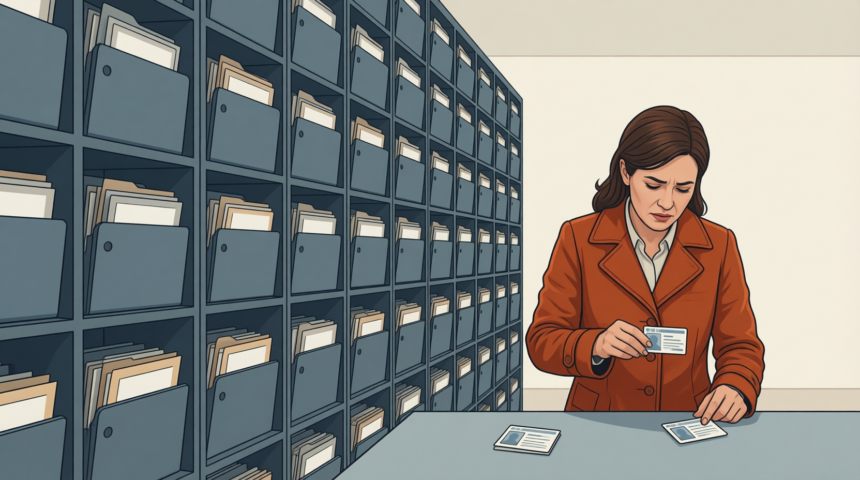
ImageAccording to a recent report published by the Identity Theft Resource Center, more than 368 big data breaches have been reported in the first half of 2014.

ImageAccording to a recent report published by the Identity Theft Resource Center, more than 368 big data breaches have been reported in the first half of 2014. Unlike individual instances of identity theft, the threat from big data breaches is massive because one heist can instantly put the identities and data security of millions of users under threat.

From the perspective of a cyber-criminal, big data presents a huge opportunity to get access to millions of records with lesser effort. Given the finite number of technologies available to handle big data, criminals can “rinse-and-repeat” the same technique to exploit loopholes in the infrastructure of multiple organizations that handle data with similar technologies; thereby multiplying the returns on their criminal activity.

One of the reasons big data breaches is scary for an individual consumer is because it presents a risk from sources that are deemed safe. Most people would be wary of using their credit cards on a shady outlet on the highway that doesn’t look trust-worthy. They would prefer to use cash instead. On the contrary, none of us would blink an eyelid before flashing our credit card at a Target outlet – because it’s a safe place to use. Big data breaches can happen from the databases of these larger corporations. According to Lexington Law, a Utah based firm specializing in credit repair services, the advent of big data breach potentially puts consumers at risk for a lifetime. They point out that the recent big data attacks on Target and Neiman Marcus started off as small attacks. So while you may not be a victim of the breach today, the fact that your data may potentially be in the hands of criminals could mean you are perennially at risk. 

More Read

Image
MDM Industry Becoming New Standard for IT
Control Business Costs with Workforce Analytics
Cryptography Is Fun, But Your Business Calls for Encryption
Employee Training and Other Ways to Protect Your Company’s Valuable Data
Extreme Redundancy – Don’t Leave Home Without It!

So how does one protect themselves from a big data breach? Sadly there is nothing that individual consumers can do to protect their data from getting stolen from reputed corporations like Target or Home Depot. Alternatives like reverting to using just cash for transactions and avoiding online purchases are not exactly practical. The onus lies with the corporations to adopt strict data handling policies to protect consumer data. According to Ontario’s Information and Privacy Commissioner Ann Cavoukian, organizations handling big data should follow these basic tenets to ensure ‘privacy by design’

  1. Proactive not Reactive; Preventative not Remedial

  2. Privacy as the Default Setting

  3. Privacy Embedded into Design

  4. Full Functionality – Positive-Sum, not Zero-Sum

  5. End-to-End Security – Full Lifecycle Protection

  6. Visibility and Transparency – Keep it Open

  7. Respect for User Privacy – Keep it User-Centric

As for the consumers, there are still a couple of things you could do. Firstly, make use of single-use or prepaid cards for all your ecommerce transactions. Secondly, for retail transactions, make use of credit cards with small credit limits. This way, even if your data gets breached, you do not suffer huge financial setbacks. Restrict the use of your debit cards merely to withdrawing money from the ATM.

How have you been keeping your finances safe from big data breaches? Tell us in the comments.

Photo Source: TNS Sofres on Flickr

Share This Article
Facebook Pinterest LinkedIn
Share
ByAnand
Follow:
Anand Srinivasan is the founder of Hubbion, a suite of business apps. The Hubbion Project Management app was ranked among the top 20 in its category for 2017 by Capterra.

Follow us on Facebook

Latest News

Diverse Research Datasets
The 5 Best Platforms Offering the Most Diverse Research Datasets in 2026
Big Data Exclusive
macro intelligence and ai
How Permutable AI is Advancing Macro Intelligence for Complex Global Markets
Artificial Intelligence Exclusive
warehouse accidents
Data Analytics and the Future of Warehouse Safety
Analytics Commentary Exclusive
stock investing and data analytics
How Data Analytics Supports Smarter Stock Trading Strategies
Analytics Exclusive

Stay Connected

1.2KFollowersLike
33.7KFollowersFollow
222FollowersPin

You Might also Like

Image
Security

Cloudflare admits bug leaked customer data for months

3 Min Read
Cybersecurity
Cloud ComputingSecurity

Moving Target: Cybersecurity and Integrated Managed Services

5 Min Read

How the Final Omnibus Rule Affects HIPAA Cloud Computing Providers

5 Min Read
byod mobile management
Best PracticesBusiness IntelligenceCulture/LeadershipData ManagementInside CompaniesITKnowledge ManagementMobilityPolicy and GovernancePrivacyRisk ManagementSecurity

BYOD: Reducing the Risk with Mobile App Management

10 Min Read

SmartData Collective is one of the largest & trusted community covering technical content about Big Data, BI, Cloud, Analytics, Artificial Intelligence, IoT & more.

ai in ecommerce
Artificial Intelligence for eCommerce: A Closer Look
Artificial Intelligence
giveaway chatbots
How To Get An Award Winning Giveaway Bot
Big Data Chatbots Exclusive

Quick Link

  • About
  • Contact
  • Privacy
Follow US
© 2008-25 SmartData Collective. All Rights Reserved.
Go to mobile version
Welcome Back!

Sign in to your account

Username or Email Address
Password

Lost your password?