
We use cookies, including third-party cookies from Google to serve personalized ads through AdSense, to operate this site and understand how it is used. By continuing to browse, you accept this use. See our Privacy Policy and Terms of Use for details, including how to opt out of personalized advertising.
Accept
SmartData CollectiveSmartData Collective
  • Analytics
    AnalyticsShow More
    What Kind of Problem-Solving Distinguishes Data Analysts From Software Engineers -- AI-generated illustration
    What Kind of Problem-Solving Distinguishes Data Analysts From Software Engineers
    7 Min Read
    chatgpt image jul 21, 2026, 04 34 30 pm
    4 Core Benefits of Predictive Maintenance after Vibration Analysis
    10 Min Read
    How Does Data Mining Boost Customer Satisfaction in Logistics? Harnessing Analytics for Results -- AI-generated illustration
    How Does Data Mining Boost Customer Satisfaction in Logistics? Harnessing Analytics for Results
    11 Min Read
    chatgpt image jul 13, 2026, 04 23 45 pm
    How Data Analytics Helps Companies Improve User Engagement
    19 Min Read
    chatgpt image jul 13, 2026, 03 59 46 pm
    How Data Analytics Improves Multi-Location Search Strategies
    10 Min Read
  • Big Data
  • BI
  • Exclusive
  • IT
  • Marketing
  • Software
Search
© 2008-25 SmartData Collective. All Rights Reserved.
Reading: 5 Smart Data Tips for New CIOs to Drive Business
Share
Notification
Font ResizerAa
SmartData CollectiveSmartData Collective
Font ResizerAa
Search
  • About
  • Help
  • Privacy
Follow US
© 2008-23 SmartData Collective. All Rights Reserved.
SmartData Collective > Data Management > Transparency > 5 Smart Data Tips for New CIOs to Drive Business
Big DataBusiness IntelligenceITTransparency

5 Smart Data Tips for New CIOs to Drive Business

Bob Dvorak
Bob Dvorak
5 Min Read
5 Smart Data Tips for New CIOs to Drive Business
Illustration generated with FLUX.2 [klein 4B] via Cloudflare Workers AI.
SHARE

Whether its day one or day 501, it’s practically vital for CIOs to make a splash and prove their worth. While business executives tend to dismiss the CIO as a strategic partner, the emergence of new digital tools, the need for reliable data and a growing demand for analytics have provided CIOs ammo to prove otherwise.

While IT effectiveness is most often scrutinized, a recent McKinsey study shows there’s still hope. Respondents said when CIOs are involved in shaping company strategy, IT effectiveness is much higher, resulting in greater overall outcomes.

Incorporate the following five tips from day-one as a CIO to leverage the resources available to improve processes and drive business.

1. Study Your Data Inside Out

More Read

Denial of access
Denial of access
Will Data Analytics Help Mercedes Meet 2030 Carbon Reduction Targets?
Where Did the ‘Data Explosion’ Come From?
How to Implement an Automated System Build for an eCommerce Platform
Digitizing the Financial Industry [INFOGRAPHIC]

Far too many IT leaders lack a granular look at the state of their IT budget.

Gartner analysts made a disturbing conclusion in its study, How to Budget, Plan and Govern Application Rationalization: “… Sadly, most organizations don’t have an application strategy, and, because APM (Application Performance Monitoring) is one of the poorest-scoring disciplines in our ITScore assessment, we can assume that most organizations don’t have APM, either.”   

To correct this oversight, CIO’s should cultivate an understanding of the relationship between IT investments and the business capabilities or functions they enable. From there, they can figure out where to focus attention and resources.

2. Go for Quality, Not Quantity

Auditing inventory is equally as important for streamlining as it is to budget reductions. A CFO may know the IT budget is $50 million, but it’s time to be more specific.

“Firms invest millions in application software — money that they might otherwise invest in new sales and distribution partnerships or new plants and machinery,” Forrester wrote in its 2014 report Optimize Long-Term Application Effectiveness and Value.

Identify and evaluate IT applications early in the purchasing process to improve valuation accuracy. Running IT as a metrics-based, results-driven organization positions it as a source of competitive advantage.

3. Know What to Retire — and When

Forty percent of North American respondents to a recent study by Harvard Business Review Analytic Services say the biggest obstacle in successfully leveraging new technology was existing legacy technology getting in the way.

Retire the outdated legacy assets and projects that hold the entire enterprise back and make way for technologies that will bolster business.

4. Cross All of Your T’s

Talent, transparency, technology and time are the four pillars every organization leans on to deliver results outside the status quo. CIO’s should evaluate each carefully.

Are there enough hands on deck or is there a talent shortage? In addition, can you measure the transformation? There needs to be enough transparency to view and measure growth, both from IT and business perspectives. Third, make sure the technology is agile enough to support the business transformation.

Lastly, how much time is absorbed by “keeping the lights on”? Respondents of a Forrester Research survey of more than 3,700 IT leaders estimated they spend 72 percent of their budget “Keeping the lights on,” or supporting general operations.

5. Be Business-First

“On average, large IT projects run 45 percent over budget and 7 percent over time, while delivering 56 percent less value than predicted.” McKinsey & Co. concluded this after surveying more than 5,400 IT projects for its widely cited report on IT project budgets.

CIOs must ensure that high priority projects improve business capabilities and deliver on strategic objectives. When a new CIO enters the fray with the savvy to drive business operations forward, IT will lead the charge. 
Share This Article
Facebook Pinterest LinkedIn
Share

Follow us on Facebook

Latest News

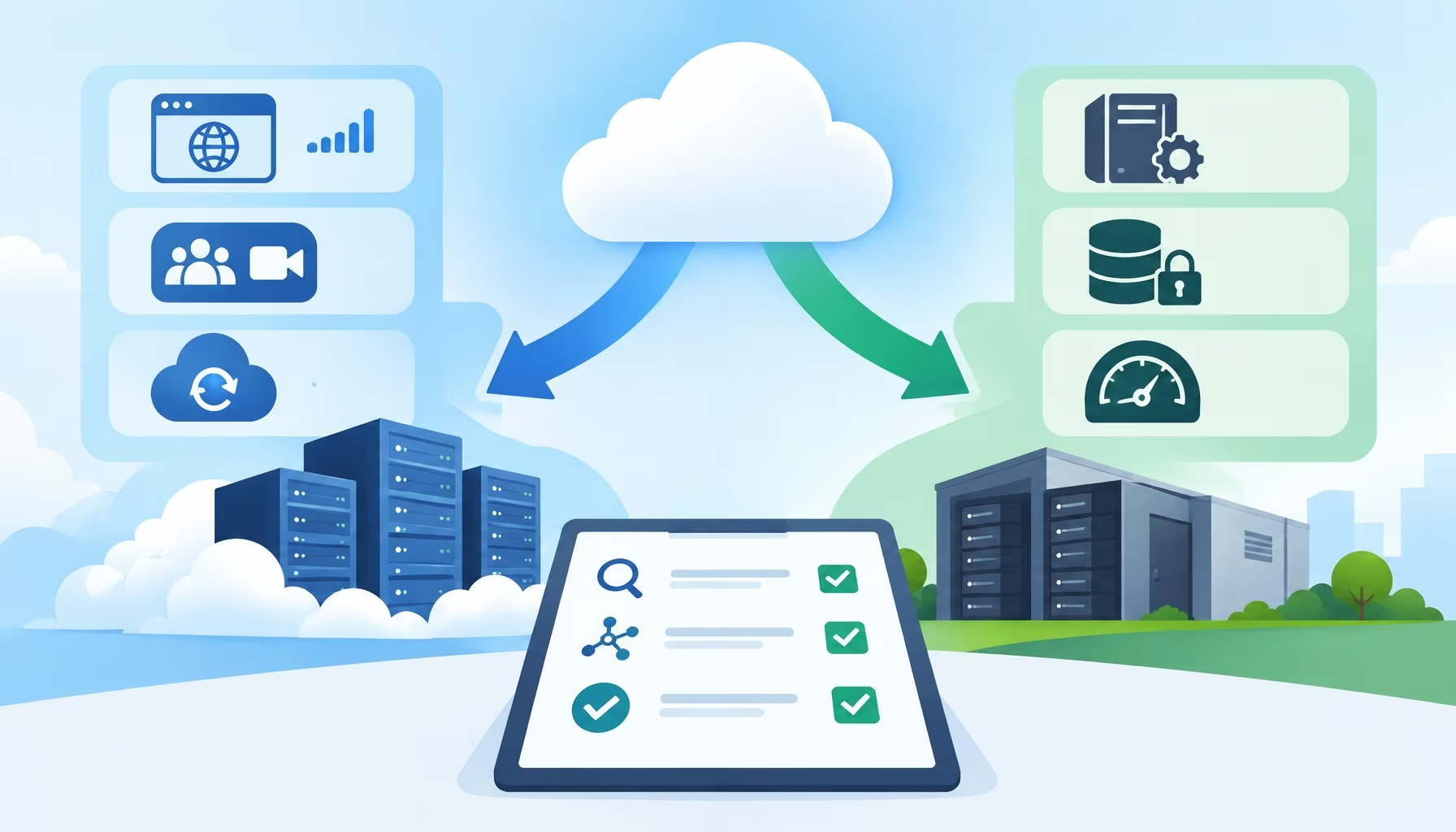
Flat editorial illustration: The article's core relationship is workload-by-workload decision-making for cloud migration, where s
Which Workloads Should Move to the Cloud?
Cloud Computing Exclusive IT
Flat editorial illustration: The article positions data governance as a strategic board-level concern rather than a purely techni
Why Data Governance Is Becoming a Board-Level Business Priority
Big Data Exclusive Policy and Governance
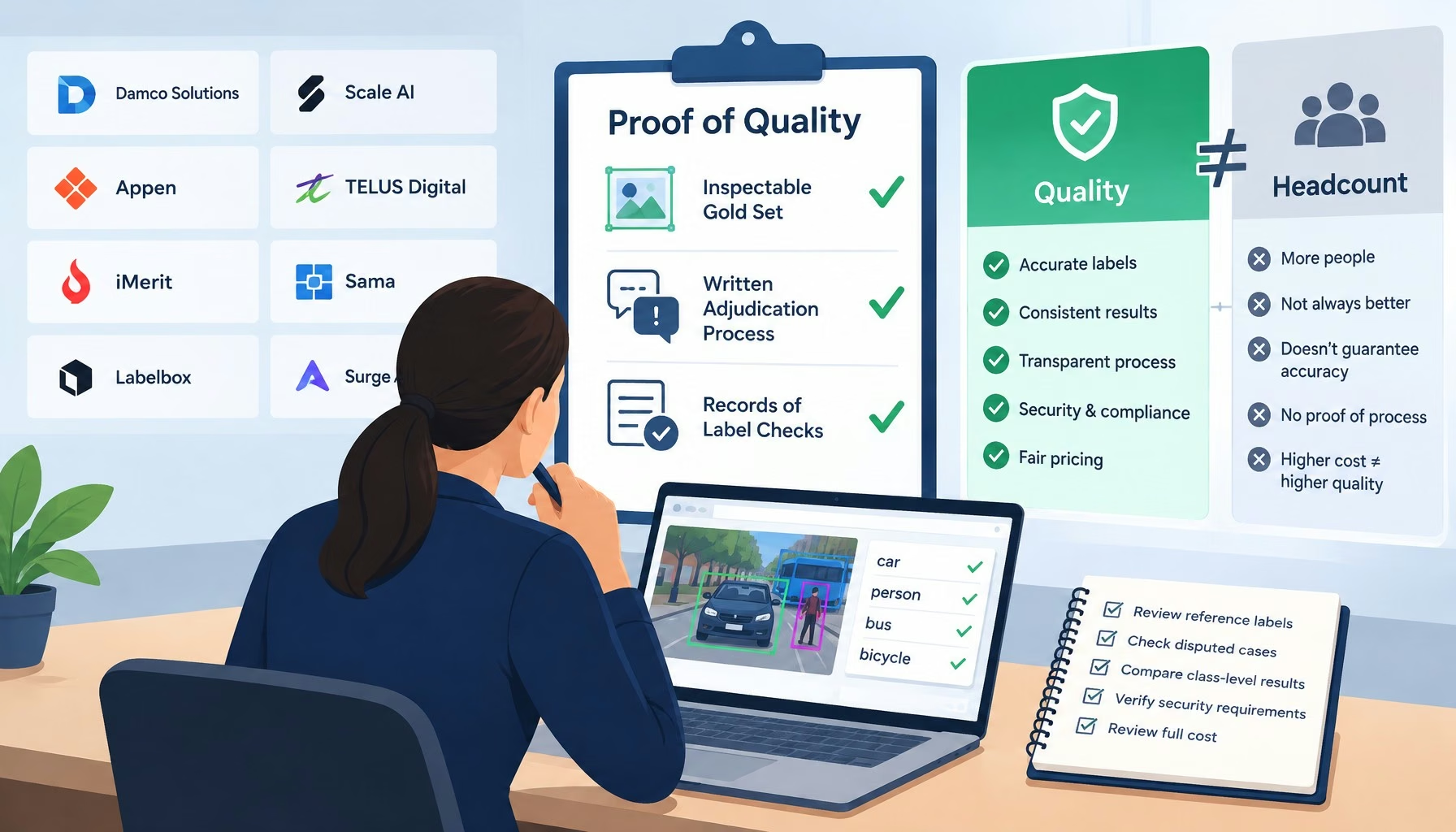
Flat editorial illustration: The article argues that data annotation quality should be measured by inspectable gold sets, written
The Top Data Annotation Companies Are Separated by Proof of Quality, Not Headcount
Big Data Exclusive
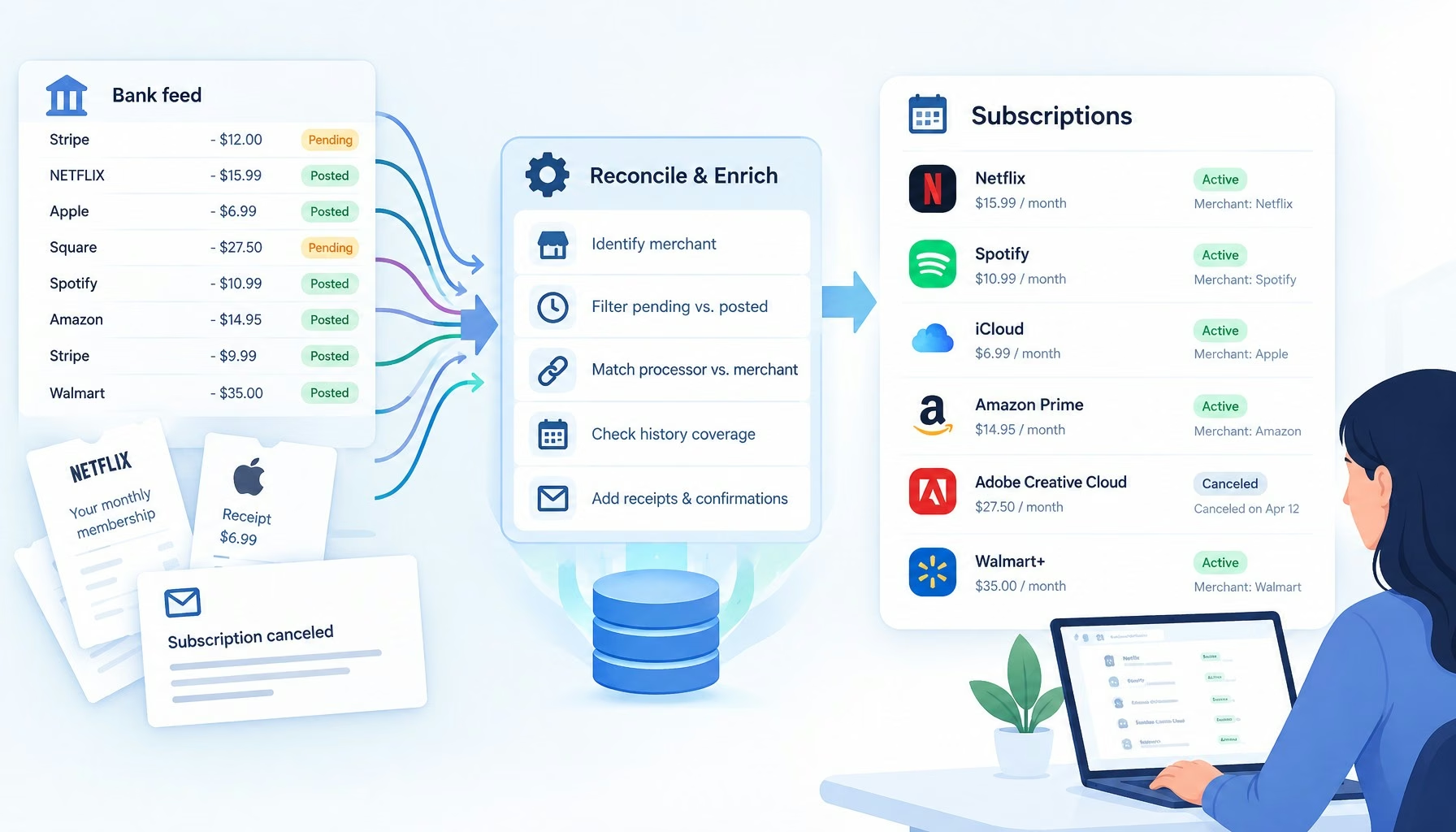
Flat editorial illustration: The article's core relationship is the gap between raw bank-feed records and reliable subscription i
Subscription Trackers Have a Transaction Data Problem
Big Data Exclusive

Stay Connected

1.2KFollowersLike
33.7KFollowersFollow
222FollowersPin

You Might also Like

Cloud Computing

Why It’s Difficult to Make the Cloud Secure

5 Min Read
Are Public Clouds Complex Environments?
AnalyticsCloud ComputingExclusivePrivacyRisk ManagementSecurity

Are Public Clouds Complex Environments?

4 Min Read
Tips for Change Leaders – How to Show Your Impact
AnalyticsData MiningPolicy and GovernanceStatistics

Tips for Change Leaders – How to Show Your Impact

7 Min Read
The ABCs of In-Memory Processing
Business Intelligence

The ABCs of In-Memory Processing

5 Min Read

SmartData Collective is one of the largest & trusted community covering technical content about Big Data, BI, Cloud, Analytics, Artificial Intelligence, IoT & more.

How To Get An Award Winning Giveaway Bot
Big Data Chatbots Exclusive
The Art of Conversation: Enhancing Chatbots with Advanced AI Prompts
Chatbots

Quick Link

  • About
  • Contact
  • Privacy
Follow US
© 2008-26 SmartData Collective. All Rights Reserved.
Welcome Back!

Sign in to your account

Username or Email Address
Password

Lost your password?