We use cookies, including third-party cookies from Google to serve personalized ads through AdSense, to operate this site and understand how it is used. By continuing to browse, you accept this use. See our Privacy Policy and Terms of Use for details, including how to opt out of personalized advertising.
Accept
SmartData CollectiveSmartData Collective
  • Analytics
    AnalyticsShow More
    What Kind of Problem-Solving Distinguishes Data Analysts From Software Engineers -- AI-generated illustration
    What Kind of Problem-Solving Distinguishes Data Analysts From Software Engineers
    7 Min Read
    chatgpt image jul 21, 2026, 04 34 30 pm
    4 Core Benefits of Predictive Maintenance after Vibration Analysis
    10 Min Read
    How Does Data Mining Boost Customer Satisfaction in Logistics? Harnessing Analytics for Results -- AI-generated illustration
    How Does Data Mining Boost Customer Satisfaction in Logistics? Harnessing Analytics for Results
    11 Min Read
    chatgpt image jul 13, 2026, 04 23 45 pm
    How Data Analytics Helps Companies Improve User Engagement
    19 Min Read
    chatgpt image jul 13, 2026, 03 59 46 pm
    How Data Analytics Improves Multi-Location Search Strategies
    10 Min Read
  • Big Data
  • BI
  • Exclusive
  • IT
  • Marketing
  • Software
Search
© 2008-25 SmartData Collective. All Rights Reserved.
Reading: The Data Science Market: Where We Are
Share
Notification
Font ResizerAa
SmartData CollectiveSmartData Collective
Font ResizerAa
Search
  • About
  • Help
  • Privacy
Follow US
© 2008-23 SmartData Collective. All Rights Reserved.
SmartData Collective > Analytics > The Data Science Market: Where We Are
AnalyticsBig Data

The Data Science Market: Where We Are

lburtch
lburtch
4 Min Read
The Data Science Market: Where We Are
Illustration generated with FLUX.2 [klein 4B] via Cloudflare Workers AI.
SHARE

2016 marks the third consecutive year that Burtch Works has published The Burtch Works Study: Salaries of Data Scientists, about the “elusive kingpins of the Big Data movement”. The enthusiasm for data-driven strategy has continued to increase since our initial study in 2014, and readers of the report are likely well familiar with some of the effects this has had on the quantitative hiring market.

We’ve seen a number of interesting use cases for data science in an increasing variety of industries. Internet of Things industrial applications have emerged, which can involve using sensor data to develop predictive maintenance capabilities to anticipate equipment failure. In entertainment, casinos use real-time customer data to build and optimize their loyalty programs, and video game companies track player behavior to improve engagement as well as develop future offerings. In the behavioral health area, data science applications can be used to personalize medical treatment, coordinate prescriptions, and monitor for changes in behavior. And, of course, the ability to use data science to personalize advertising continues to offer copious benefits for marketing teams.

One side effect, however, of this marked increase in data science use cases is the near-ubiquitous use of the “data scientist” title. The overwhelming popularity of the title and the newness of the discipline have resulted in the term appearing on a myriad of job descriptions, resumes, and LinkedIn profiles, whether or not the role or professional possesses the full range of data science skills. Examples of relevant skills might include implementing machine learning algorithms, wrangling unstructured data, or using tools like Hadoop, among others.

On the recruiting front, a constant refrain from clients has been the struggle to find data scientists who can balance their strong technical skills with the business acumen and domain knowledge needed to make an impact on business goals. The ability to glean information from massive datasets and then translate how those insights become actionable for the business has always been important, but is even more so now that leaders are looking to capitalize on the value of their data and demonstrate a return on their investment.

More Read

Connecting the Enterprise: The VMware - Lithium Technologies Partnership
Connecting the Enterprise: The VMware – Lithium Technologies Partnership
Is Risk Assessment Using Big Data the Future?
Is Sentiment Analysis a Subset of Text Analytics?
6 Big Data Blockchain Projects You Should Know About
Data Technology Is Crucial To Your Infrastructural Modernization Plan

With all of the attention that data science has received, students have been flooding into the field. Degree and enrollment trends show increases in statistics, mathematics, computer science, and engineering graduates – all top educational backgrounds for data scientists – and students can’t wait to get to work, as evidenced by the increase in the percentage of professionals with Master’s degrees (as opposed to Ph.D.’s) at the entry-level (see the report for details). Additionally, there are many professionals looking to transition into the field from other career paths.

With some of the hype beginning to give way to a more “business as usual” attitude, these next few years will be a proving ground for newly forged data science teams, Master’s programs, bootcamps, startups, and for new and established data scientists.

Read the original post here.

Share This Article
Facebook Pinterest LinkedIn
Share

Follow us on Facebook

Latest News

Flat editorial illustration: The article’s core relationship is a transfer of discipline from regulated laboratories to analytics
What Business Intelligence Teams Can Learn from Lab Data Governance
Business Intelligence Exclusive
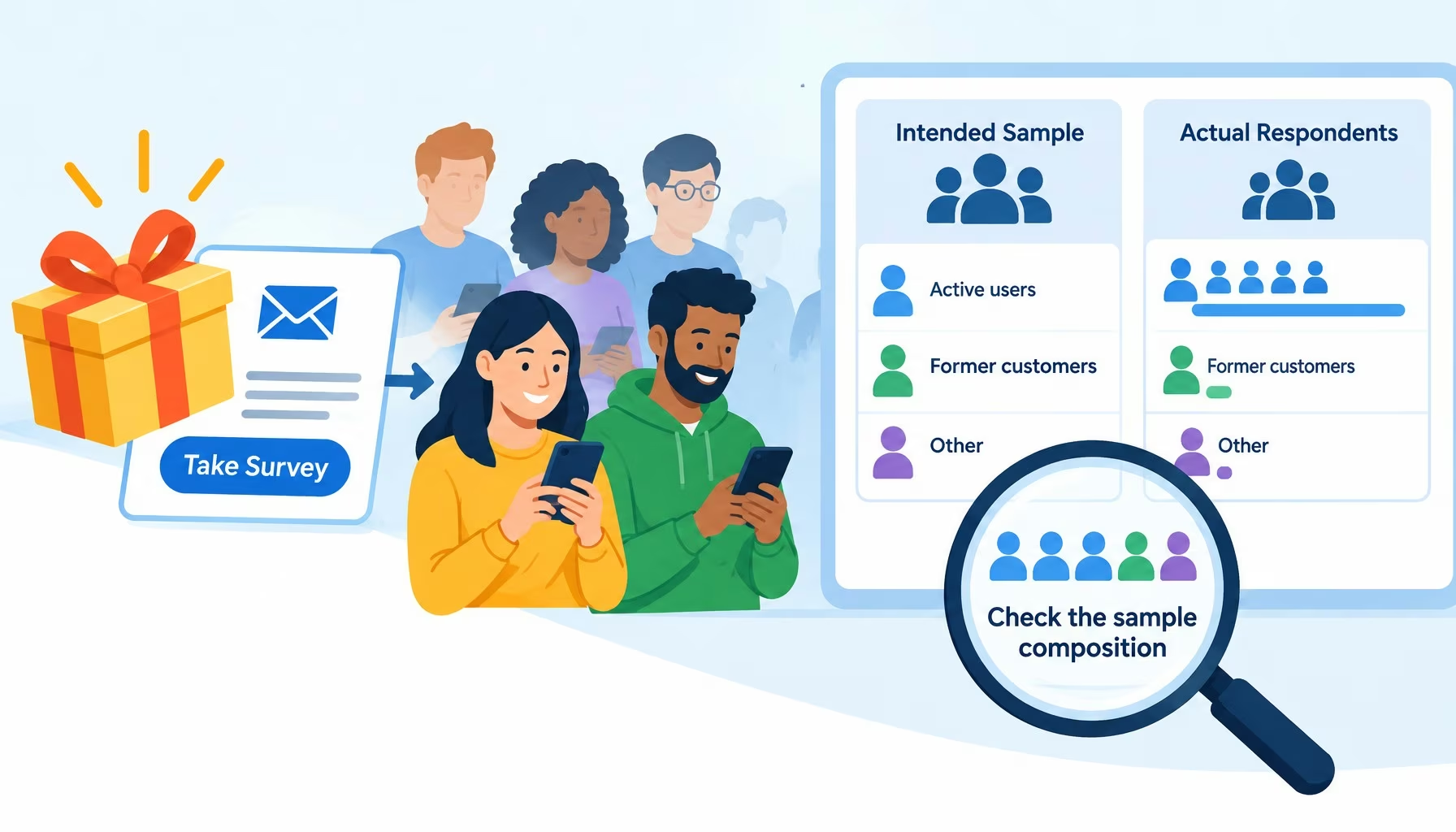
Flat editorial illustration: A guaranteed reward can raise participation while skewing the respondent pool toward active customer
Incentive-Driven Response Bias: Auditing Sample Composition Before You Trust Survey Data
Big Data Data Quality Exclusive
Flat editorial illustration: The article’s core relationship is observable blockchain activity becoming a trustworthy business me
Blockchain Dashboards Need Better Definitions, Not More Charts
Blockchain Exclusive
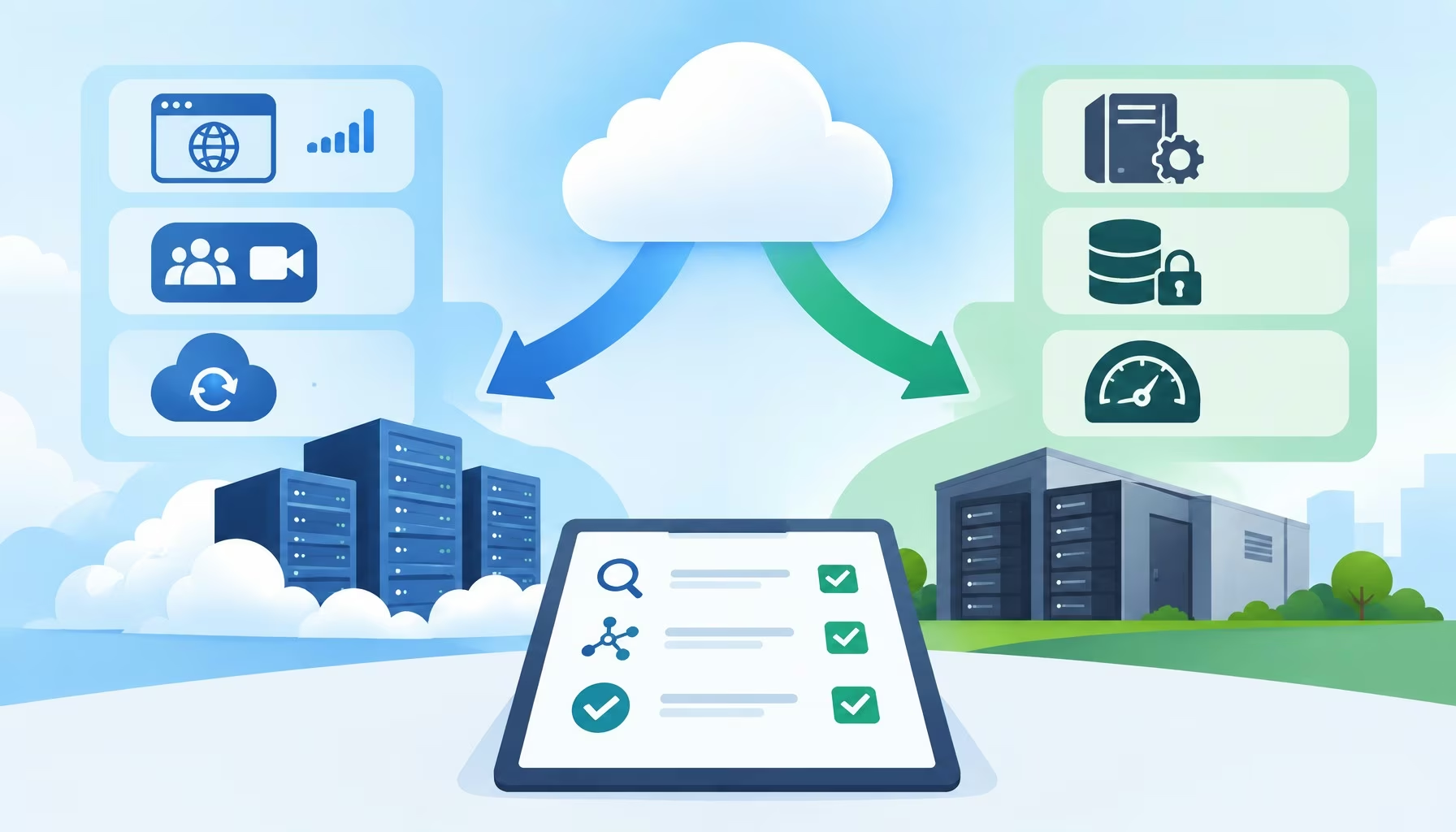
Flat editorial illustration: The article's core relationship is workload-by-workload decision-making for cloud migration, where s
Which Workloads Should Move to the Cloud?
Cloud Computing Exclusive IT

Stay Connected

1.2KFollowersLike
33.7KFollowersFollow
222FollowersPin

You Might also Like

Why Data-Driven Outsourcing Can Be a Massive Win for Your Business
Big DataExclusive

Why Data-Driven Outsourcing Can Be a Massive Win for Your Business

10 Min Read
Hot Tech Trends for Machine Learning
Big Data

Hot Tech Trends for Machine Learning

6 Min Read
Turning Geographic Data Into Competitive Advantage
Big DataExclusive

The Rise of Location Intelligence: Turning Geographic Data Into Competitive Advantage

5 Min Read
The Road to Self-Service BI
Best PracticesBig DataBusiness IntelligenceData ManagementMarketing

The Road to Self-Service BI

2 Min Read

SmartData Collective is one of the largest & trusted community covering technical content about Big Data, BI, Cloud, Analytics, Artificial Intelligence, IoT & more.

How To Get An Award Winning Giveaway Bot
Big Data Chatbots Exclusive
The Art of Conversation: Enhancing Chatbots with Advanced AI Prompts
Chatbots

Quick Link

  • About
  • Contact
  • Privacy
Follow US
© 2008-26 SmartData Collective. All Rights Reserved.
Welcome Back!

Sign in to your account

Username or Email Address
Password

Lost your password?