We use cookies, including third-party cookies from Google to serve personalized ads through AdSense, to operate this site and understand how it is used. By continuing to browse, you accept this use. See our Privacy Policy and Terms of Use for details, including how to opt out of personalized advertising.
Accept
SmartData CollectiveSmartData Collective
  • Analytics
    AnalyticsShow More
    chatgpt image jul 21, 2026, 04 34 30 pm
    4 Core Benefits of Predictive Maintenance after Vibration Analysis
    10 Min Read
    How Does Data Mining Boost Customer Satisfaction in Logistics? Harnessing Analytics for Results -- AI-generated illustration
    How Does Data Mining Boost Customer Satisfaction in Logistics? Harnessing Analytics for Results
    11 Min Read
    chatgpt image jul 13, 2026, 04 23 45 pm
    How Data Analytics Helps Companies Improve User Engagement
    19 Min Read
    chatgpt image jul 13, 2026, 03 59 46 pm
    How Data Analytics Improves Multi-Location Search Strategies
    10 Min Read
    cybersecurity efforts
    How Behavioral Analytics and AI Are Redefining Cybersecurity for Boca Raton Businesses
    14 Min Read
  • Big Data
  • BI
  • Exclusive
  • IT
  • Marketing
  • Software
Search
© 2008-25 SmartData Collective. All Rights Reserved.
Reading: Cycles of SaaS and On-Premise ERP Software
Share
Notification
Font ResizerAa
SmartData CollectiveSmartData Collective
Font ResizerAa
Search
  • About
  • Help
  • Privacy
Follow US
© 2008-23 SmartData Collective. All Rights Reserved.
SmartData Collective > Business Intelligence > Cycles of SaaS and On-Premise ERP Software
Business Intelligence

Cycles of SaaS and On-Premise ERP Software

EphraimCohen
EphraimCohen
4 Min Read
Cycles of SaaS and On-Premise ERP Software
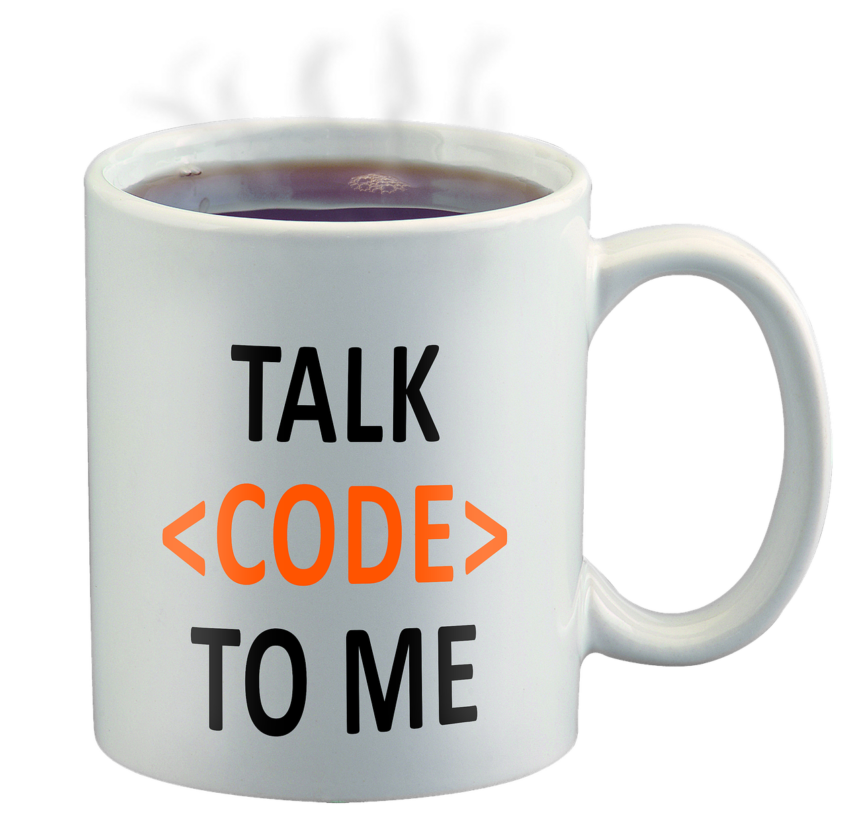
Photo by JanBaby on Pixabay (https://pixabay.com/photos/code-geek-talk-code-to-me-coffee-cup-2680204/)
SHARE
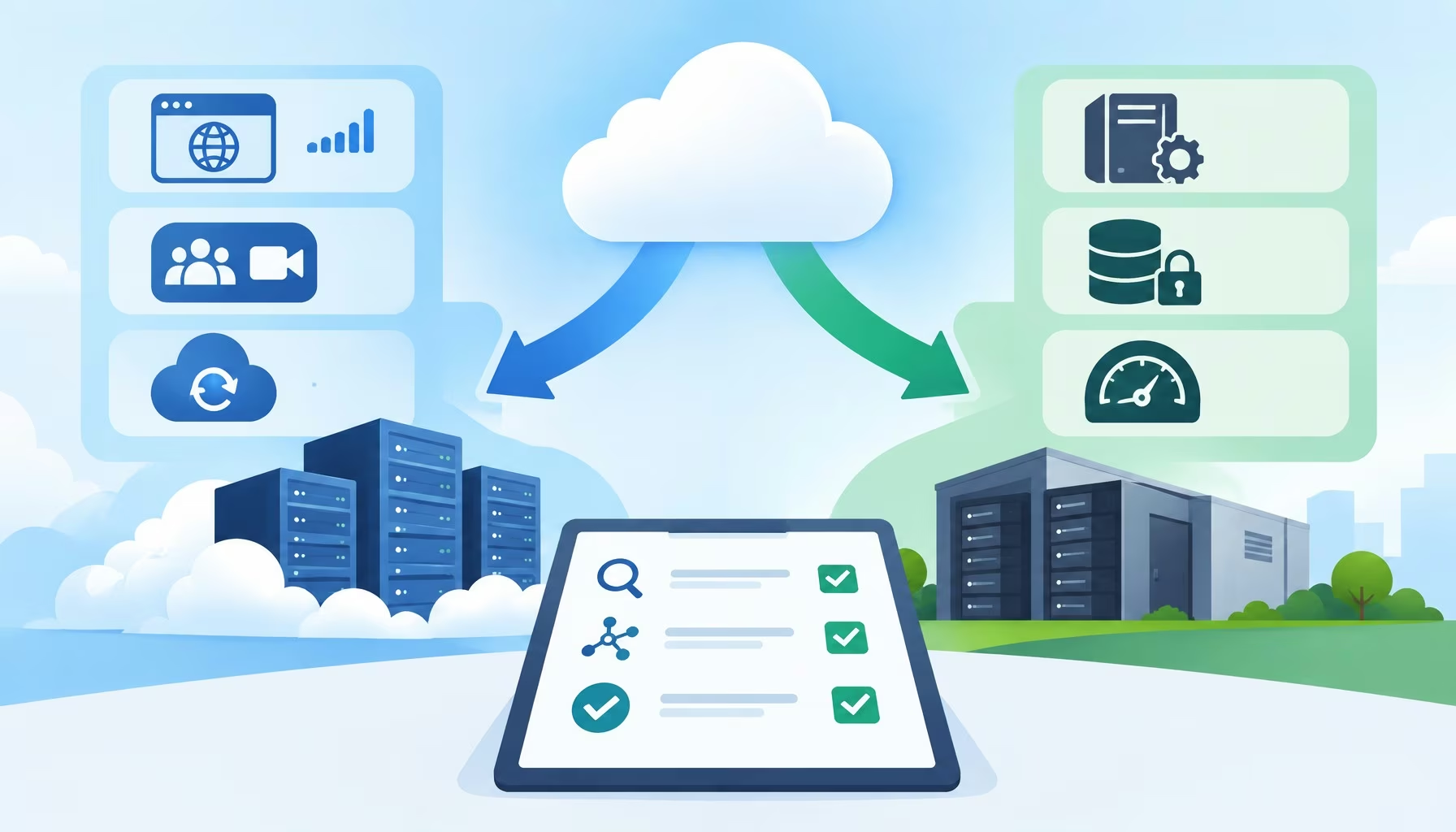
Eric Kimberling from the Panorama Consulting Group is 100% right. In his recent blog post, Why SaaS and Cloud Enterprise Applications Are Ensuring a Bright Future For Big ERP Systems, Eric introduces the concept of the Perpetual Cycle of SaaS and On-Premise ERP systems.

ERP industry trends have swung like a pendulum back and forth between SaaS/ASP/best-of-breed and on-premise/big/complex ERP, and for good reason. The reason big ERP didn’t die 20 years ago is because of the cyclical and perpetual nature of these competing trends. Just as companies grew tired of issues resulting from a complex, cumbersome, and costly ERP implementation, companies will eventually tire of SaaS issues related to less flexibility, less control, and more complex integration. (Click to see full article)

Uncertainty at time of ERP Software purchase

Eric points out that customers may stay in SaaS-mode or on-premise-mode for quite a while until growth, M&A activities, international expansion, or other input provides a stimulus for change.

Contents
  • Uncertainty at time of ERP Software purchase
  • Vendors need flexible ERP software solutions
  • Conclusion

When the customer purchases ERP software, the customer cannot predict when these stimuli will impact their business and force an ERP deployment change. But, most customers can predict with certainty that these events will occur.

Vendors need flexible ERP software solutions

In order to accommodate the cycle that Eric describes, Vendors need software solutions that can adapt with customers. Instead of forcing customers down one path and trying to convince them that is the best option, vendors should present customers with an option and let them make the choice. Then, the customer should have to option to switch as requirements and needs change.

SAP is vigorously pursuing Business ByDesign so the company can offer both on-premise and SaaS software solutions to their customers. This is a good start. The only potential problem is the fact that ByDesign has a different code base from other SAP software solutions, so the customer’s decision to switch could involve extensive services work. This services work could be the equivalent of switching vendors.
More Read

Using Data Analysis to Avoid 4 Common Causes of Business Failure
The End of Unstructured Marketing: Forcing Generative AI into Strict HTML Schemas
Let’s raise our glasses… to those who raise intelligence
Projected Growth Rates of the BI Software and Big Data Analytics Markets [VIDEO]
Forecasting Olympic Medals

Several SaaS-only vendors force customers to use a solution that is 100% managed by the vendor. When the “crisis of flexibility, standardization, and integration” occurs, the customer is stuck making a decision to continue with their existing vendor or embark upon a vendor migration.

Acumatica is an example of a vendor that provides the option for customers to switch between SaaS and on-premise using an almost identical code and database structures. By taking advantage of Windows Azure, Acumatica’s SaaS offering utilizes a cloud architecture and still provides the same flexibility associated with on premise software. Acumatica’s offering is not simply a hosted version of on-premise software, but a true web-based design that provides options.

Conclusion

It is safe to say that the cycle of SaaS to on-premise will continue into the future. As companies management teams, requirements, and needs change, so will their feelings about their ERP deployment.

ERP software vendors should create software that can accommodate these changes without requiring a expensive migration and services work. Forcing customers to a single deployment scenario is not recommended.

Post sponsored by Acumatica.
Content/ideas in this post provided in part by Acumatica and may not reflect the views of ERP Cloud News. Learn more about Acumatica Cloud ERP.

Share This Article
Facebook Pinterest LinkedIn
Share

Follow us on Facebook

Latest News

Analyst points at colorful circular data dashboard on screen - information technology business metrics
How Fragmented Workplace Tech Undermines Reliable Business Metrics and Reporting
Cloud Computing Exclusive Infographic IT
Using Multi-Source Data and Analytics to Detect Operational Drift Across Franchise Networks -- AI-generated illustration
Using Multi-Source Data and Analytics to Detect Operational Drift Across Franchise Networks
Exclusive Infographic
Beyond The First Impression: The Long-Lasting Impact Of Sensory Marketing -- AI-generated illustration
Beyond The First Impression: The Long-Lasting Impact Of Sensory Marketing
Infographic Marketing
The Infrastructure Gap Slowing Data Center Growth -- AI-generated illustration
The Infrastructure Gap Slowing Data Center Growth
Big Data Cloud Computing Exclusive Infographic IT

Stay Connected

1.2KFollowersLike
33.7KFollowersFollow
222FollowersPin

You Might also Like

Fake News
Artificial IntelligenceBig Data

Big Data is Leading the Fight Against Fake News

5 Min Read
The Role of AI Technology in Tracing People
Artificial Intelligence

The Role of AI Technology in Tracing People

9 Min Read
Can AI Help Factories Lower Costs Enough To Survive The Coming Recession?
Artificial Intelligence

Can AI Help Factories Lower Costs Enough To Survive The Coming Recession?

6 Min Read
What To Know About Using Artificial Intelligence For Big Data Analysis
Artificial IntelligenceBig Data

What To Know About Using Artificial Intelligence For Big Data Analysis

6 Min Read

SmartData Collective is one of the largest & trusted community covering technical content about Big Data, BI, Cloud, Analytics, Artificial Intelligence, IoT & more.

Artificial Intelligence for eCommerce: A Closer Look
Artificial Intelligence
5 Great Tips for Using Data Analytics for Website UX
Big Data

Quick Link

  • About
  • Contact
  • Privacy
Follow US
© 2008-26 SmartData Collective. All Rights Reserved.
Welcome Back!

Sign in to your account

Username or Email Address
Password

Lost your password?