What will the role of Chief Information Officer (CIO) look like in 2020?
The CIO role is one that really appeared during the 1990s in response to the increasing profile of Information Technology (IT) in organisations. Previously, the person in charge of IT was usually called an Information Technology, Information Services or Computer Services Director. The creation of the “chief” title shows the world how critical IT is in the modern enterprise.
The problem is that the IT world is changing in a way that we haven’t seen in over a decade. I argue that the first decade of the century was one in which little actually changed in the use of IT in business. When I take this position in discussions I’m often met with many who disagree.
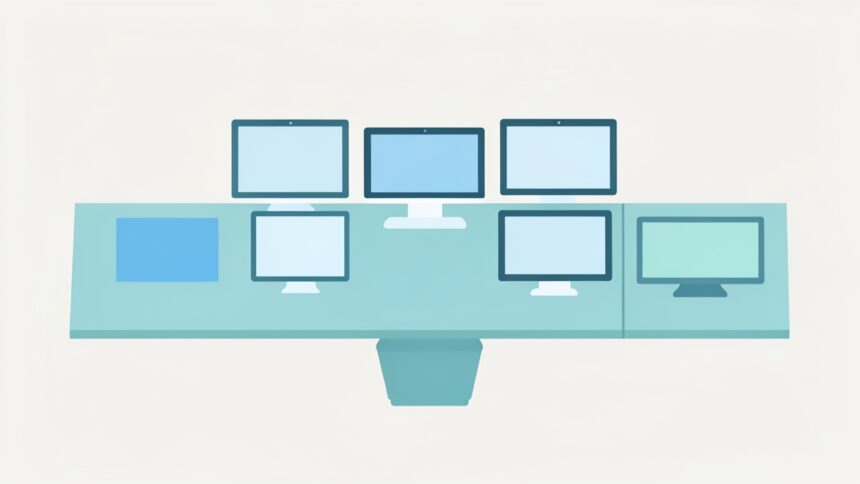
My argument is illustrated by comparing a typical professional worker’s desk in 2000 to the same desk in 2010. The year 2000 desk probably had a laptop, telephone that was likely (or soon to be) based on IP telephony making them highly mobile. It is also very likely that the business applications were little different to those we know today using Microsoft Windows, an ERP such as SAP for business operations and Microsoft Office for email and documents. Sitting beside the computer was a mobile phone. The 2010 picture is very similar.
More Read

Interestingly the comparison between the 1990 desk and the one at the turn of the century is much more dramatic. The 1990 desk was very likely to have no computer, a terminal or if there was a PC it would have been deskbound. The telephone was absolutely fixed to a point using a traditional PABX and there would not have been a mobile phone. Any software being used would look very different to the products we commonly use today and likely to be bespoke and certainly character rather than graphics based.
This is a trend that we have seen before. The 1970s saw massive change, while the 1980s was really a decade of consolidation. While much happened in both the 1980s and the last decade, both were really dominated by a need to simplify and consolidate the role of IT in business. As a result, we have been lulled into a view of the CIO which needs to focus first and foremost on the discipline of managing a complex but predictable portfolio of systems and projects.
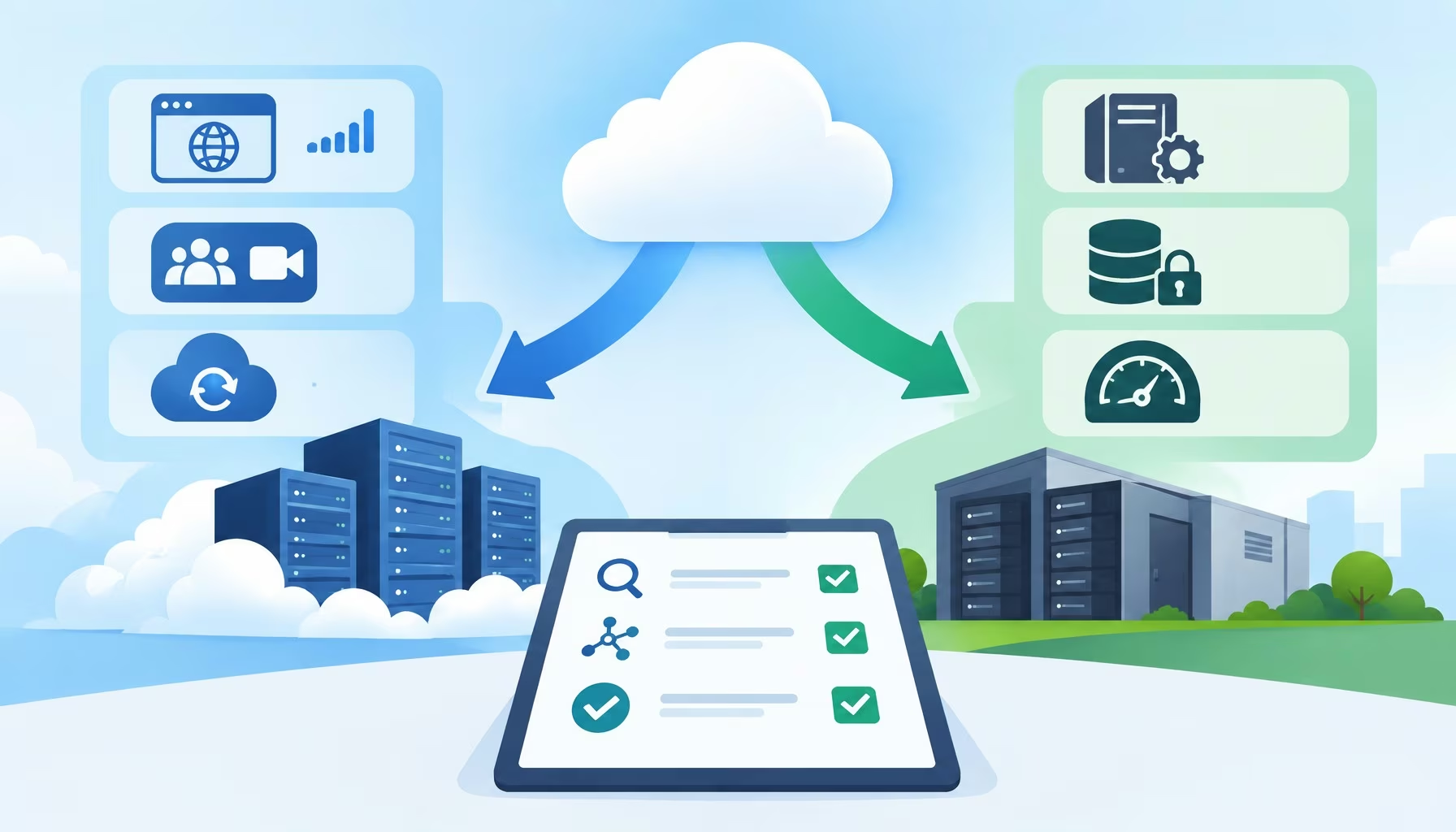
Already in this new decade we’ve seen a move away from a single operating system (Windows) and end-user platform to a wide range of consumer-driven options ranging from tablets to mobile phones. Similarly we’ve seeing a move away from enterprise servers to a much richer suite of options utilising cloud services. Just as importantly, we’re seeing the long-predicted “internet of things” coming to life with embedded computing in everything from trucks to shopping trolleys.
No aspect of business value chains has been untouched by these changes. The line between consumer technology and business systems has blurred to the point where customers expect to directly access their transaction data as it appears inside back-office applications. This level of integration challenges the role of the CIO that has evolved during the last decade as being focused on business systems. In this new world, the CIO is responsible for technology and information that is used by the businesses external stakeholders (including customers and suppliers). This new CIO is as responsible for earning revenue as any divisional general manager.
The challenges will be substantial. The CIO cannot hold onto the same number of staff that has been traditionally needed to run the infrastructure of the enterprise and still expect to take on revenue earning responsibilities. The CIO is also going to need to lead large-scale innovation across the organisation with the goal of creating new products and finding new uses for the information that is the lifeblood of the enterprise. This new CIO role doesn’t just serve the business, it also shapes it.
If CIOs don’t take on these challenges, then technology will be distributed across business divisions and an opportunity will be lost to innovate while maintaining the discipline that modern IT has fought to implement over the last thirty years. This is a battle that is worth having.