We use cookies, including third-party cookies from Google to serve personalized ads through AdSense, to operate this site and understand how it is used. By continuing to browse, you accept this use. See our Privacy Policy and Terms of Use for details, including how to opt out of personalized advertising.
Accept
SmartData CollectiveSmartData Collective
  • Analytics
    AnalyticsShow More
    Flat editorial illustration: The article connects AI and marketing analytics with managerial judgment grounded in consumer behavi
    How an Online MBA in Marketing Connects AI and Data Analytics
    11 Min Read
    What Kind of Problem-Solving Distinguishes Data Analysts From Software Engineers -- AI-generated illustration
    What Kind of Problem-Solving Distinguishes Data Analysts From Software Engineers
    7 Min Read
    chatgpt image jul 21, 2026, 04 34 30 pm
    4 Core Benefits of Predictive Maintenance after Vibration Analysis
    10 Min Read
    How Does Data Mining Boost Customer Satisfaction in Logistics? Harnessing Analytics for Results -- AI-generated illustration
    How Does Data Mining Boost Customer Satisfaction in Logistics? Harnessing Analytics for Results
    11 Min Read
    chatgpt image jul 13, 2026, 04 23 45 pm
    How Data Analytics Helps Companies Improve User Engagement
    19 Min Read
  • Big Data
  • BI
  • Exclusive
  • IT
  • Marketing
  • Software
Search
© 2008-25 SmartData Collective. All Rights Reserved.
Reading: Big Data Offer Retailers the Chance to Stay Ahead of Their Competitors
Share
Notification
Font ResizerAa
SmartData CollectiveSmartData Collective
Font ResizerAa
Search
  • About
  • Help
  • Privacy
Follow US
© 2008-23 SmartData Collective. All Rights Reserved.
SmartData Collective > Big Data > Big Data Offer Retailers the Chance to Stay Ahead of Their Competitors
Big Data

Big Data Offer Retailers the Chance to Stay Ahead of Their Competitors

Datafloq
Datafloq
7 Min Read
Big Data Offer Retailers the Chance to Stay Ahead of Their Competitors
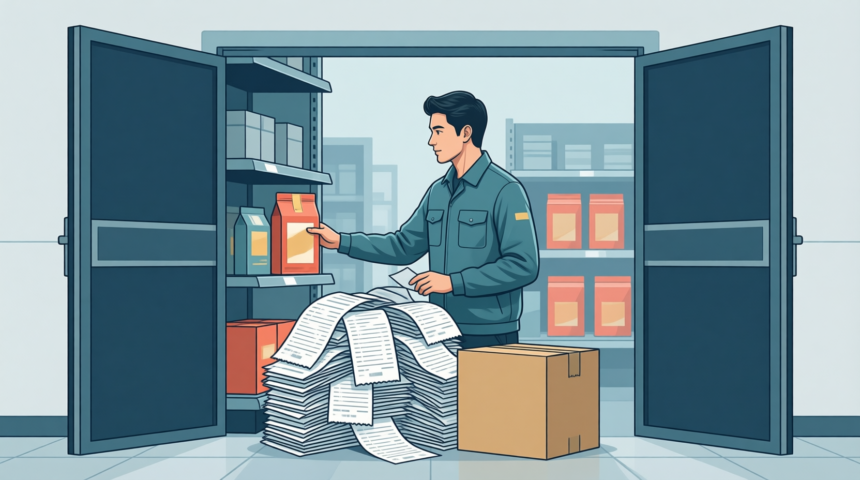
Illustration generated with Qwen Image.
SHARE
Retailers that implement a big data strategy can achieve a 60% increase in their margin as well as boost employee productivity by 1%, meaning there should be no reason not to move forward with big data. The retail industry is known for collecting vast amounts of data, as any product sold in a retail store or online generates a lot of data that can be analyzed for insights.
Retailers that implement a big data strategy can achieve a 60% increase in their margin as well as boost employee productivity by 1%, meaning there should be no reason not to move forward with big data. The retail industry is known for collecting vast amounts of data, as any product sold in a retail store or online generates a lot of data that can be analyzed for insights. The volume of the data will be growing exponentially in the coming years, among others due to emerging new data sources such as the RFID tags to track products or analyzing shopper movements through the store. Whether it is to provide a smarter shopping experience that influences the purchase decisions of customers to drive additional revenue, or to deliver tailor made relevant real-time offers to customers, big data offers a lot of opportunities for retailers to stay ahead of the competition.

Personalized shopping experiences

As with any industry, the available data can be used to create very detailed customer profiles that can be used for micro-segmentation and offer a personalized shopping experience. A 360-degrees customer view will inform retailers how to best contact customers to achieve the best results, while geo location data (for example using the geo tag in tweets, Facebook posts, when customers walk past with Bluetooth enabled smartphones or use a dedicated App) will enable retailers to know the right moment for a personalized relevant real-time offer. Such optimized customer contact moments can be used as well to recommend suitable and relevant products to customers.

Retailers can recommend products by cross-analyzing in-store interactions with online behavior, combining it with demographical, geographical and transactional data of customers online and offline (loyalty programs) as well as using online promotional and social engagement and comments. In addition, the combination of different datasets will enable retailers to pinpoint the best customers for certain products. Using social media data, purchasing history, online and offline browsing patterns, the blogosphere or forums, customer loyalty data as well as demographic data it is possible to find those customers interested in a certain product.

Sentiment analysis will tell retailers how customers perceive their actions, commercials and products they have on offer. The analysis of what is being said online will provide retailers with additional insights into what customers are really looking for and it will enable retailers to optimize their assortments to local needs and wishes.

Accurate demand forecasts

Retailers can predict future demand using various data sets such as web browsing patterns, industry advertising buying information, enterprise data, social media sentiment, weather data, news and event information etc. to predict the next hot items in coming seasons.

Using data such as customer transactions, demographic data, shopping patterns, research data and local buzz the demand in local areas and different channels can be predicted. Combined, this information will enable retailers to stock up and deliver the right products and the right amount to the right channels and regions.

In addition, retailers can improve shipments by evaluating top-selling products, make mark down decisions based on seasonal sell-through, stop shipments for bottom-selling products, and communicate more effectively with their supply chain partners to optimize inventory. Such accurate demand forecast will help retailers to optimize their inventory, improve just-in-time delivery and bring down the costs related to it.

Based on the forecasted demand, retailers can start using models that incorporate also weather data, seasonal information, events and news data to have the right amount of staff present in stores.

Innovative optimization possibilities

Customer demand, competitor activity and shareholders value data can be used to create models that automatically synchronize pricing with inventory levels, demand and the competition. In addition, market information such as events, news or relevant supply chain information can be used to adjust pricing accordingly.

Big data technology will also enable retailers to optimize floor plans. Using smart cameras within stores, retailers can gain insights in customer movements and behavior. Instead of cameras, retailers can also use passive information such as WiFi data or Bluetooth data to monitor movements throughout the stores and to detect and improve routings. This information can indicate locations that are more and less attractive and can be used to improve displays and product placement. Floor plans can be adjusted accordingly to create a revenue-optimized floor plan.

Using financial, sales, and inventory data across all points of sale worldwide — department stores, specialty stores, and catalogs/Internet – retailers can also be used to discover patterns to find new revenue optimization opportunities or cost reduction possibilities.

In the highly competitive markets in the retail industry, retailers will need to do what it takes to stay ahead of the competition. Big data tools can help retailers outperform their peers financially while improving customer satisfaction.


Image: RGBStock
TAGGED:retailers
Share This Article
Facebook Pinterest LinkedIn
Share

Follow us on Facebook

Latest News

Flat editorial illustration: The article connects AI and marketing analytics with managerial judgment grounded in consumer behavi
How an Online MBA in Marketing Connects AI and Data Analytics
Analytics Artificial Intelligence Big Data Exclusive
Flat editorial illustration: The article connects commercial drone capture with integrated software workflows that organize and r
Drone Technology as a Business Investment: Calculating ROI, Costs, and Long-Term Value
Business Intelligence Marketing Software
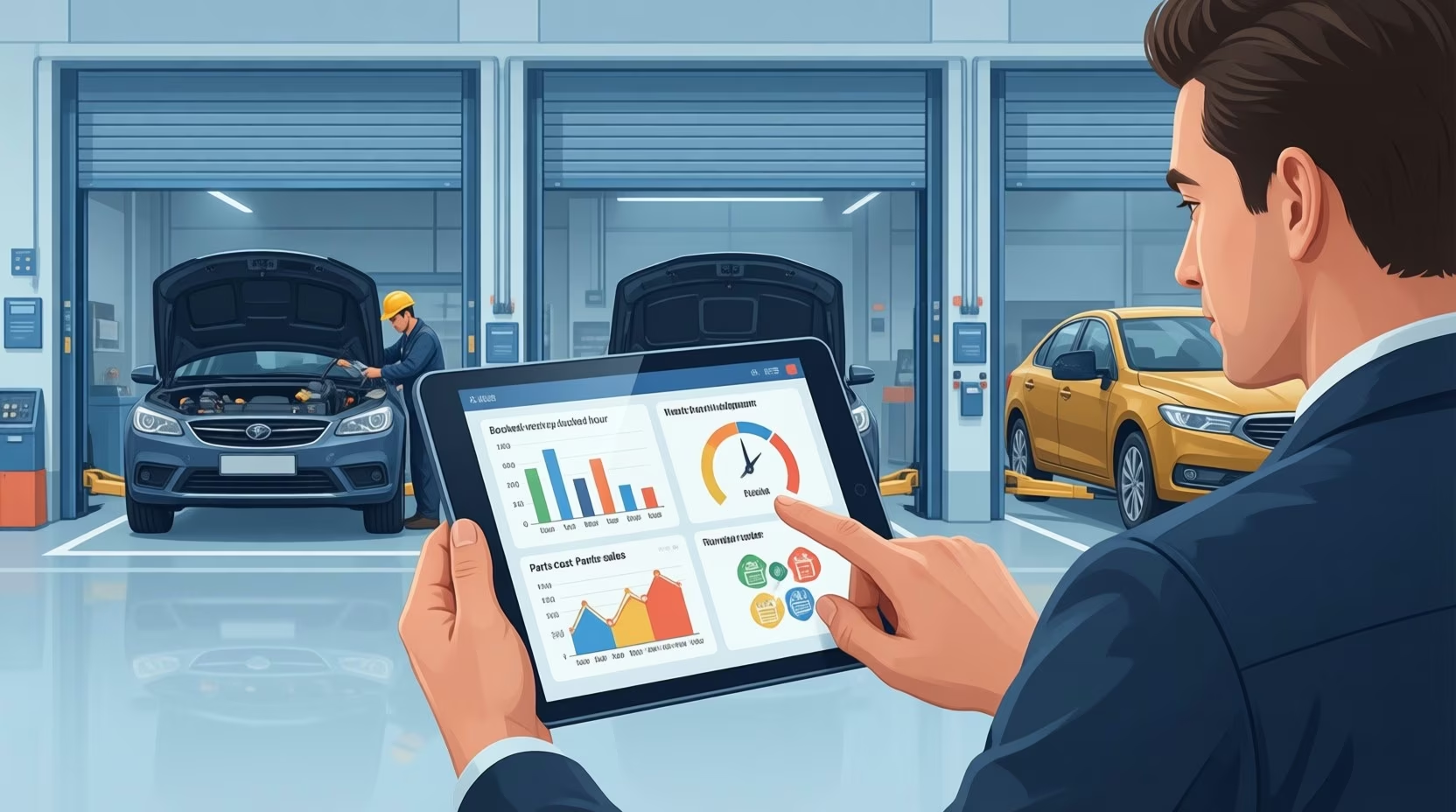
Flat editorial illustration: The article connects weekly technician productivity and related shop metrics to timely scheduling an
Workforce Analytics for Auto Repair Shops: Reading Technician Productivity Weekly
Business Intelligence Exclusive
Flat editorial illustration: A business-editorial depiction of two account-growth routes: data-guided targeted advertising and cr
Targeted Ads and Cross-Promotion: Using Audience Segments and Platform Statistics to Grow
Exclusive Social Data

Stay Connected

1.2KFollowersLike
33.7KFollowersFollow
222FollowersPin

SmartData Collective is one of the largest & trusted community covering technical content about Big Data, BI, Cloud, Analytics, Artificial Intelligence, IoT & more.

The Art of Conversation: Enhancing Chatbots with Advanced AI Prompts
Chatbots
From Bolts to Bots: How AI Is Fortifying the Automotive Industry
Artificial Intelligence

Quick Link

  • About
  • Contact
  • Privacy
Follow US
© 2008-26 SmartData Collective. All Rights Reserved.
Welcome Back!

Sign in to your account

Username or Email Address
Password

Lost your password?