According to The American Dialect Society, an app is “the shortened slang term for a computer or smart phone application.” With “app model” being one of the pillars of Business Discovery, I have been thinking a lot about the concept of apps. (For more info, please download the QlikView white paper, “Business Discovery: Powerful, User-Driven BI.”)
I’ve been thinking about the way Apple transformed software. They basically broke software up into little pieces and gave consumers a nice place to shop for the pieces. This same approach can be taken to analyzing data—even “big data”, whose size is beyond the ability of typical database software tools.
When you think about the real Business Discovery needs of business users, do people really need to have ten years of sales data at the transaction level coming from every single POS (point of sale) system in one particular analysis? Or do they need technology that enables them to discover whatever pieces of all this data are relevant to them? If I as a business user can easily access relevant information from multiple business systems and interact with it with the speed of thought, why do I need a system that would deliver me billions rows of data where I have no clue where to start analyzing it?
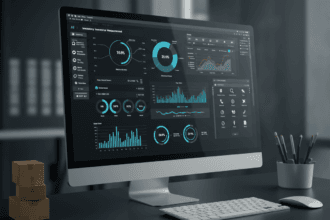
With QlikView’s app model, developers—or even business users themselves—can create lightweight Business Discovery apps they can use to load millions of rows of data from multiple data sources quickly and merge it in memory, so users can then explore the data quickly and easily. QlikView’s inference engine automatically maintains the associations among every piece of data stored in the app. In organizations where IT departments are the data governors, IT pros create the in-memory data models, which business users can then remix and reassemble into new views. With QlikView associative experience, business users can ask what they need to ask, and explore up, down, and sideways, pursuing their own path to insight in the big data.
Two key QlikView elements enabling the app model: AccessPoint and document chaining
There are also two other important QlikView capabilities in enabling the app approach to big data:
- AccessPoint, the QlikView portal, is analogous to an internal app store for Business Discovery. Once a lightweight Business Discovery app is created by a business unit, it can be made available to other business units via AccessPoint. IT can quickly and easily deploy the app on AccessPoint with security rules in place so other business users can easily consume it.
- Document chaining can connect apps together. Let’s say you are analyzing sales for a particular product. You would like to see what consumers are saying about the product. You can open a Twitter analysis app, for example, from within the sales app, and can continue your Business Discovery journey on social media data without any interruptions.
QlikView enables business users to “shorten” and “slang” data in their own way similarly to the way Apple shortened and “slanged” the world of software for us. I also believe that with QlikView the days of IT being challenged on how to handle big data and create hundreds of reports for users are giving way to a new era of purpose-built Business Discovery apps created by business users, consumed on AccessPoint. IT can then focus on its core competencies.
Apple’s apps concept changed how we think of software, how we pay for it, and also how we maintain it. The term “app” has become a part of our daily lives. The same thing will happen on big data analysis, and QlikView will have a big role to play.