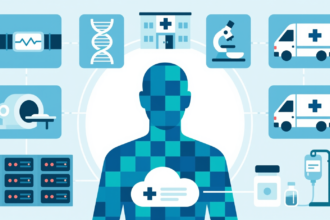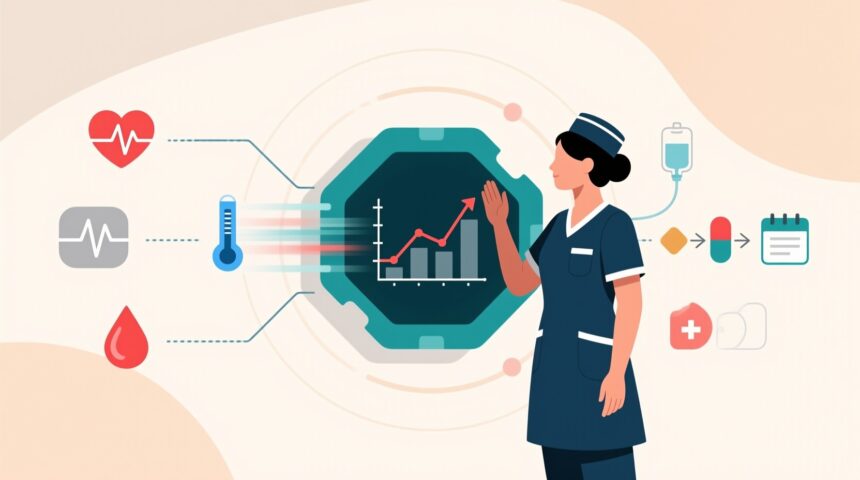
Big data technology is driving major changes in the healthcare profession. In particular, big data is changing the state of nursing.
Nursing professionals will need to appreciate the importance of big data and know how to use it effectively. Keep reading to learn more.
The Growing Relevance of Big Data in the Nursing Profession
Healthcare technology is changing all the time. These developments creep into the hospital routine and have a direct impact not just on how nurses do their jobs, but also on how well the patients do in and out of the hospital.
Big data is especially important for the nursing sector. A 2017 study from Harvard Medical School discusses some of the changes big data has created for nurses.
More Read
It’s a big deal. So, what’s out there? And how is it impacting patients, and their eventual path to recovery? In this article, we talk about how big data technology impacts nurses and the communities they serve.
Data Processing and Implementation
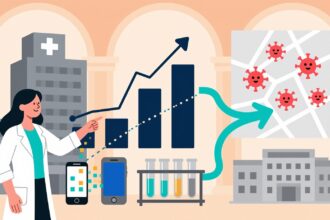
Nurses and hospitals in general are using data to improve their ability to serve the community. During the height of Covid, data processing was used to anticipate surges and help hospital nurses and administrators plan out how to best use their limited resources.
It’s used now to predict other viral surges — the flu for example — and provide more general evaluations of local health. Big data is driving big changes in healthcare.
While hospitals mostly do the same things, the communities that they serve can be very different. Maybe Town X has significantly higher levels of obesity than the national averages would indicate. Data analysis allows Town X’s hospital to anticipate what sort of medical conditions these high obesity levels will produce, and plan accordingly.
Town Y, on the other hand, has a factory that produces high emissions. The data there has not only helped the hospital treat the various respiratory conditions that those emissions have produced, but it is also helping locals motion for increased sanctions on the factory.
Data is so important to modern healthcare that nurses can now specialize in it. Analytic nursing is still a relatively obscure facet of the industry. However, as data technology in healthcare continues to expand, data comprehension is a professional skill that will only grow in importance and demand. If you’d like to join the nursing profession, make sure to look into online programs to get your degree.
Patient Independence
The last twenty years of healthcare-related technological developments have given patients increased autonomy during their stays in the hospital. Being admitted can be a traumatic experience for many people, even excepting the fact that it usually means their health is bad.
Once you’re admitted, you are at the mercy of the doctors and nurses working on your floor. You can’t eat without them bringing you food. You can’t even sleep uninterrupted without getting woken up every few hours for a test or a check-in.
It has to be this way of course. If you didn’t need these things, you probably wouldn’t need to be in the hospital at all. But it can be a demoralizing experience. Good thoughts breed good outcomes, so it is important to provide patients with as much independence as possible.
Smart hospital beds make this possible. For the patient, it means they can do things like adjust their position and comfort levels without calling in a nurse. A process that used to not only mean bothering the floor staff, but also sitting in your bed for who knows how long, waiting for them to come by.
For the floor nurses, it means fewer interruptions for small tasks, so they can focus more on patient care.
An adjustable bed? That doesn’t sound terribly smart.
Well. Fair enough. The patient experiences the bed in terms of its adjustability. The increased level of autonomy and comfort that they are given. However, the adjustability features are the tip of the iceberg. The bed can also monitor patient activity and provide data on things like heart rate, or even sleep patterns — important metrics that can make a big difference in healthcare outcomes.
Remote Patient Monitoring
So while the patient is sleeping on their fancy bed, Drew is down the hall making his rounds. He’s a good nurse, but one of his most distinct limitations — often cited on his employee evaluations — is that he can’t be in two places at once.
So when he is checking in on Molly Gordon, a young woman who was recently diagnosed with type one diabetes, he has no idea that Malcolm Ingram’s heart rate just plummeted down the hall.
Until his remote monitoring technology sounds the alert. Drew, along with several other nurses respond to the call. Malcolm is saved thanks to remote monitoring technology.
Heart monitors and other wearable healthcare devices make it easier for doctors and nurses to see what their patients are doing from anywhere.
Better yet, you don’t have to be in a hospital to use wearables. Heart monitors, pacemakers, glucose monitors, and other common healthcare devices are now often infused with Bluetooth technology. Referred to as the Internet of Things (IoT) these devices communicate directly with doctors or the patient themselves to provide up-to-the-minute health updates that can be lifesaving.
Malcolm’s story could have played out just as easily at home. Heartrate plummets. His heart monitor sends out the alert. .The company could theoretically call an ambulance. Or perhaps his emergency contact — a sister living down the street — gets the message and intervenes.
There are more ways than ever to provide high-quality healthcare evaluations, and data collection remotely.
A Wearables Postscript
As a short epilogue for the wearables conversation, it’s worth remembering that you don’t need to have a pre-existing condition to get in on the wearables game. Fitness trackers are a common wearable that people all over the world use.
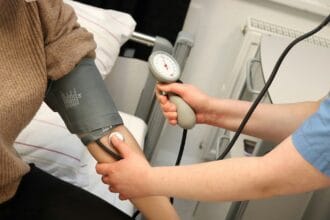
In fact, Malcolm’s FitBit was how he first learned that his heart rate tends to dip in his sleep. These devices provide people with important information about their sleeping habits, heart rate, and even their blood pressure. Data points they might otherwise have only gotten once a year.
Big Data is Crucial for the Nursing Profession
A growing number of nursing professionals are discovering the benefits of big data technology. The benefits of using data technology are well documented.