

We use cookies, including third-party cookies from Google to serve personalized ads through AdSense, to operate this site and understand how it is used. By continuing to browse, you accept this use. See our Privacy Policy and Terms of Use for details, including how to opt out of personalized advertising.
Accept
SmartData CollectiveSmartData Collective
  • Analytics
    AnalyticsShow More
    What Kind of Problem-Solving Distinguishes Data Analysts From Software Engineers -- AI-generated illustration
    What Kind of Problem-Solving Distinguishes Data Analysts From Software Engineers
    7 Min Read
    chatgpt image jul 21, 2026, 04 34 30 pm
    4 Core Benefits of Predictive Maintenance after Vibration Analysis
    10 Min Read
    How Does Data Mining Boost Customer Satisfaction in Logistics? Harnessing Analytics for Results -- AI-generated illustration
    How Does Data Mining Boost Customer Satisfaction in Logistics? Harnessing Analytics for Results
    11 Min Read
    chatgpt image jul 13, 2026, 04 23 45 pm
    How Data Analytics Helps Companies Improve User Engagement
    19 Min Read
    chatgpt image jul 13, 2026, 03 59 46 pm
    How Data Analytics Improves Multi-Location Search Strategies
    10 Min Read
  • Big Data
  • BI
  • Exclusive
  • IT
  • Marketing
  • Software
Search
© 2008-25 SmartData Collective. All Rights Reserved.
Reading: More on Forecasting Benchmarks
Share
Notification
Font ResizerAa
SmartData CollectiveSmartData Collective
Font ResizerAa
Search
  • About
  • Help
  • Privacy
Follow US
© 2008-23 SmartData Collective. All Rights Reserved.
SmartData Collective > Analytics > Predictive Analytics > More on Forecasting Benchmarks
Predictive Analytics

More on Forecasting Benchmarks

mvgilliland
mvgilliland
3 Min Read
More on Forecasting Benchmarks
Illustration generated with FLUX.2 [Klein 9B] via local ComfyUI.
SHARE

The Perils Revisited

A few posts ago I warned of the perils of forecasting benchmarks, and why they should not be used to set your forecasting performance objectives:

Contents
  • The Perils Revisited
  • The Perils Revisited
  • Benchmark Study on Forecasting Blog

The Perils Revisited

A few posts ago I warned of the perils of forecasting benchmarks, and why they should not be used to set your forecasting performance objectives:

  1. Can you trust the data?
  2. Is measurement consistent across the respondents?
  3. Is the comparison relevant?

In addition to a general suspicion about unaudited survey responses, my biggest concern is the relevance of such comparisons. If company A has smooth, stable, and easy-to-forecast demand, and company B has wild, erratic, and difficult-to-forecast demand, then the forecasters at these two companies should be held to different standards of performance. It makes no sense to hold them to some “industry benchmark” which may be trivial for company A to achieve, and impossible for B.

Perhaps the only reasonable standard is to compare an organization’s forecasting performance against what a naive or other simple model would be able to achieve with their data. Thus, if a random walk model can forecast with a MAPE of 50%, then I should expect the organization’s forecasting process to do no worse than this.

More Read

Defending Your Analytics: Handling Hecklers
Comparing the Cost Continued…
A Different Strategy for Solvable Problems in Big Data Predictive Analytics
Past, Present, and Future of Predictive Analytics: Our Analysis & Findings
Data Quality: A Cause and Effect Story

If the process consistently forecasted worse than a random walk, we know there must be something terribly wrong with it!

Benchmark Study on Forecasting Blog

One of the forecasting blogs I enjoy is the aptly named Forecasting Blog, published by Mark Chockalingam’s Demand Planning, LLC. Last week it reported on results from a forecasting benchmark survey covering (among other things) the forecast error metric used, and forecast error results.

Unsurprisingly, they found that 67% of respondents used MAPE or weighted MAPE (WMAPE) as their error metric. Less commonly used error metrics were % of Forecasts Within +/- x% of Actuals, Forecast Bias, and Forecast Attainment (Actual/Forecast).

The blog also reported Average of Forecasting Error by Industry (e.g. 39% in CPG, and 36% in Chemicals). However, it was unclear how this average error was computed, and I suspect Peril #2 (Is the measurement consistent across respondents?) may be violated.

It is well known that the same data can give very different results even for metrics as similar sounding as MAPE and WMAPE. If different companies are using different metrics to compute their forecast error, I’m not sure how you would combine them into an industry average.

Take a look at the blog post for yourself, and spend a few minutes to take their Forecast Error Benchmark Survey.
 
TAGGED:error metricsforecasting benchmarksForecasting Blogforecasting surveyMark Chockalingam
Share This Article
Facebook Pinterest LinkedIn
Share

Follow us on Facebook

Latest News

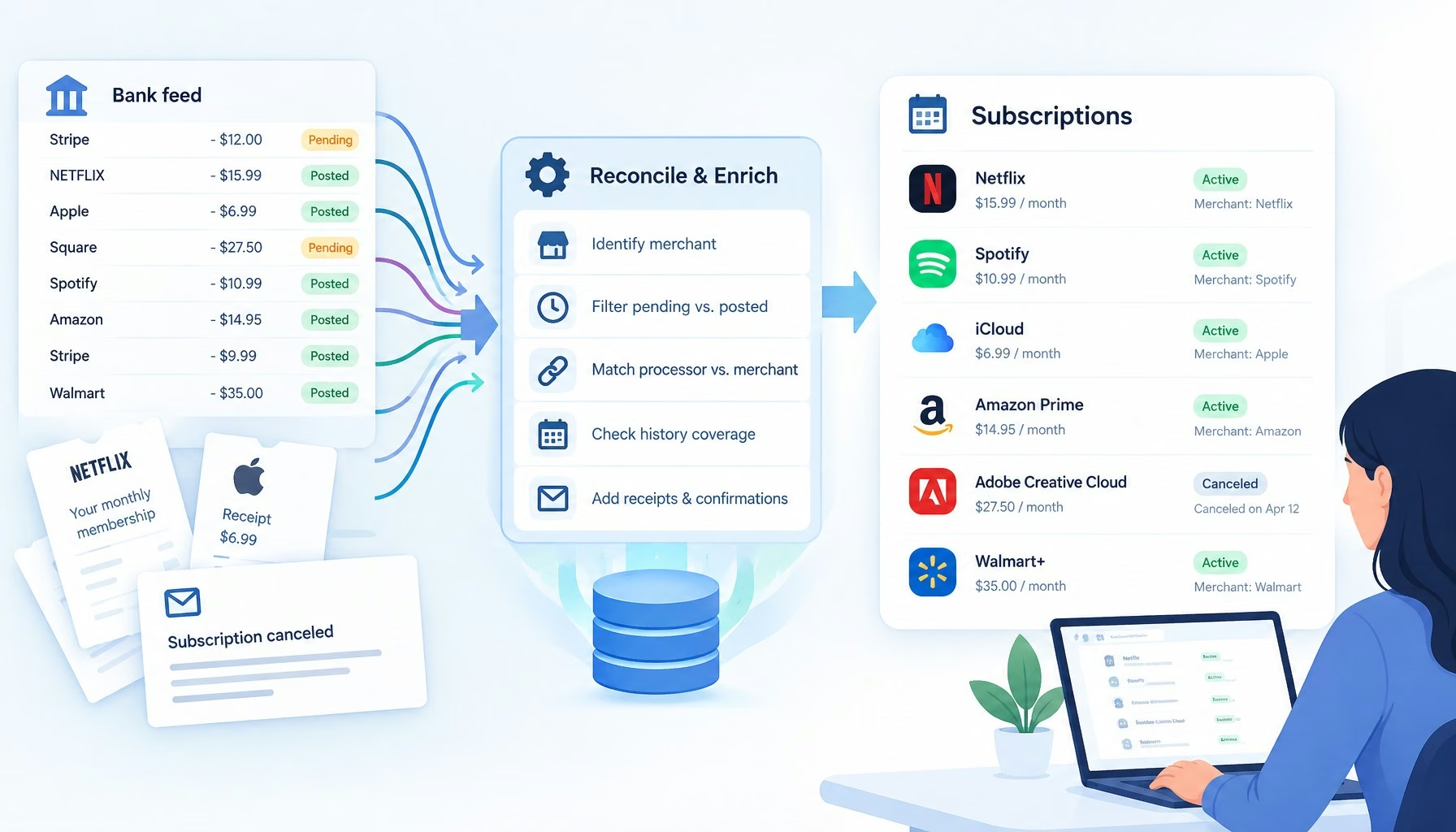
Flat editorial illustration: The article's core relationship is the gap between raw bank-feed records and reliable subscription i
Subscription Trackers Have a Transaction Data Problem
Big Data Exclusive
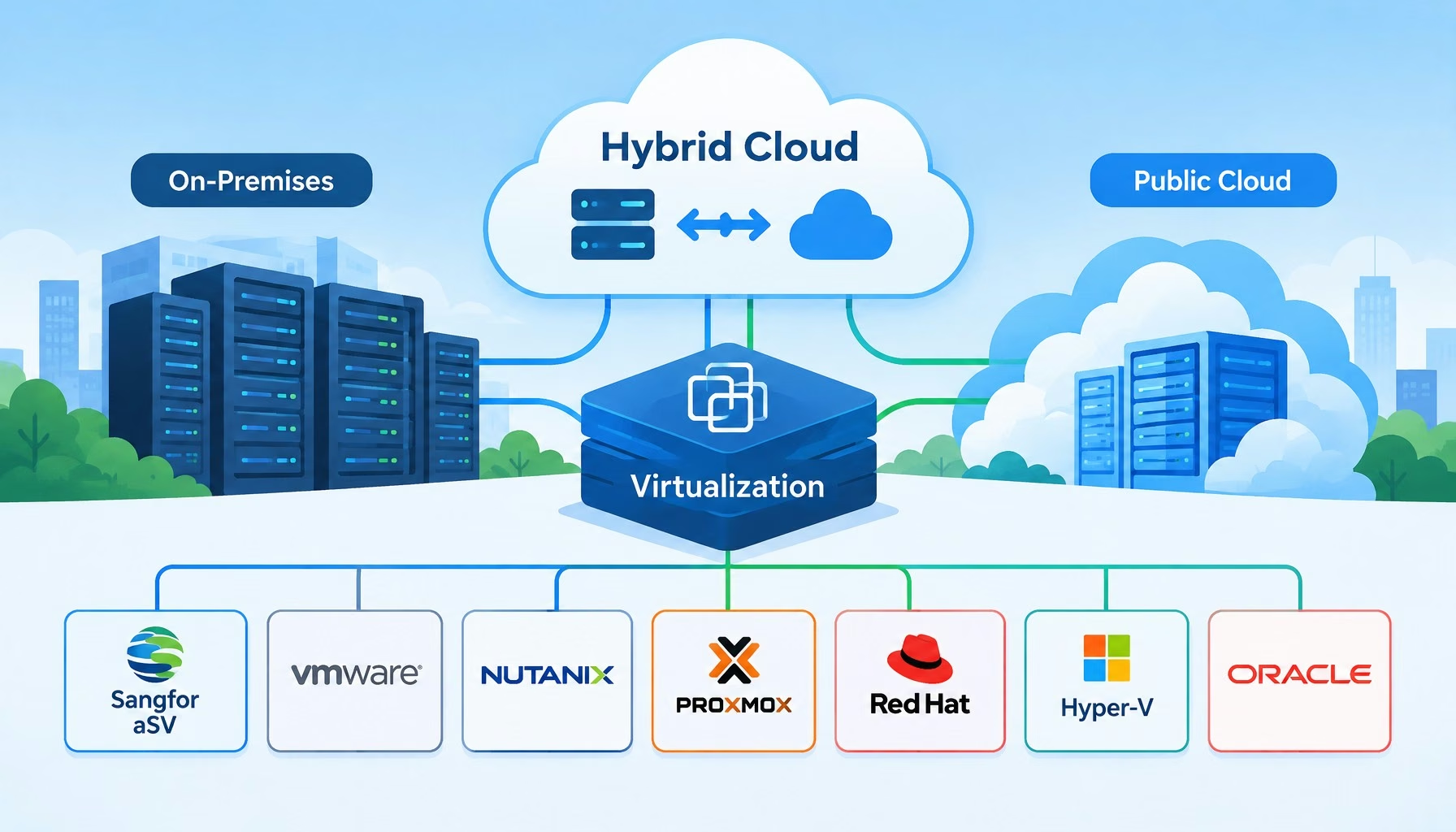
Flat editorial illustration: The article's core relationship is the hypervisor as the abstraction layer that makes hybrid cloud p
7 Best Virtualization Platforms for Hybrid Cloud Environments
Big Data
Flat editorial illustration: The article's core relationship is between aggregated workplace data (occupancy, environmental, feed
How Businesses Can Use Workplace Data to Create Better Office Environments
Big Data Business Intelligence Exclusive
Flat editorial illustration: The article's core relationship is the engineering transition from an AI prototype to a production-r
From AI Prototype to Production: Observability and Scalability Requirements for Data-Heavy SaaS Applications
Artificial Intelligence Exclusive

Stay Connected

1.2KFollowersLike
33.7KFollowersFollow
222FollowersPin

SmartData Collective is one of the largest & trusted community covering technical content about Big Data, BI, Cloud, Analytics, Artificial Intelligence, IoT & more.

From Bolts to Bots: How AI Is Fortifying the Automotive Industry
Artificial Intelligence
ai chatbot
How AI Website Chatbots Improve Customer Support and Lead Generation
Chatbots Exclusive

Quick Link

  • About
  • Contact
  • Privacy
Follow US
© 2008-26 SmartData Collective. All Rights Reserved.
Welcome Back!

Sign in to your account

Username or Email Address
Password

Lost your password?