
We use cookies, including third-party cookies from Google to serve personalized ads through AdSense, to operate this site and understand how it is used. By continuing to browse, you accept this use. See our Privacy Policy and Terms of Use for details, including how to opt out of personalized advertising.
Accept
SmartData CollectiveSmartData Collective
  • Analytics
    AnalyticsShow More
    What Kind of Problem-Solving Distinguishes Data Analysts From Software Engineers -- AI-generated illustration
    What Kind of Problem-Solving Distinguishes Data Analysts From Software Engineers
    7 Min Read
    chatgpt image jul 21, 2026, 04 34 30 pm
    4 Core Benefits of Predictive Maintenance after Vibration Analysis
    10 Min Read
    How Does Data Mining Boost Customer Satisfaction in Logistics? Harnessing Analytics for Results -- AI-generated illustration
    How Does Data Mining Boost Customer Satisfaction in Logistics? Harnessing Analytics for Results
    11 Min Read
    chatgpt image jul 13, 2026, 04 23 45 pm
    How Data Analytics Helps Companies Improve User Engagement
    19 Min Read
    chatgpt image jul 13, 2026, 03 59 46 pm
    How Data Analytics Improves Multi-Location Search Strategies
    10 Min Read
  • Big Data
  • BI
  • Exclusive
  • IT
  • Marketing
  • Software
Search
© 2008-25 SmartData Collective. All Rights Reserved.
Reading: Business Intelligence Training: Are Colleges or Companies Responsible?
Share
Notification
Font ResizerAa
SmartData CollectiveSmartData Collective
Font ResizerAa
Search
  • About
  • Help
  • Privacy
Follow US
© 2008-23 SmartData Collective. All Rights Reserved.
SmartData Collective > Analytics > Business Intelligence Training: Are Colleges or Companies Responsible?
AnalyticsBusiness Intelligence

Business Intelligence Training: Are Colleges or Companies Responsible?

Brett Stupakevich
Brett Stupakevich
4 Min Read
Business Intelligence Training: Are Colleges or Companies Responsible?
Photo by Tima Miroshnichenko on Pexels (https://www.pexels.com/photo/marketing-businessman-man-people-7567525/)
SHARE

Author:Amanda Brandon, Spotfire Blogging Team

I recently discussed how the future of business intelligence is in education. Now the question of who is responsible for BI and data analytics training – companies or colleges – is becoming a hot topic as the need for data analytics talent grows.

We discovered one school of thought through Henry Morris, SVP for software and technology research groups at IDC. He recently wrote a two-part blog series covering how universities need to move beyond training just IT students in analytics platforms.

In the second post of the series, he covered how advanced analytics talent is coming from a different background than traditional IT. He also laid out the types of training students need at the university level, which includes an analytics unit for students studying IT as well as finance, marketing and supply chain management. 

More Read

BI Training – An Important Factor at All Company Levels
The Data Consumption Dilemma: 4 Pitfalls to Avoid
The Future of Soccer is in its Analytics
The 10 Best Analytics Tools in 2026, Grouped by Job
Why Predictions Are Not Enough

IDC’s pervasive BI study names training as the first factor of five “most impactful in driving analytics-based decision-making throughout an organization.” Morris says he’s seen evidence of successful training on projects that bring business and IT together in larger organizations. However, he is calling for a higher emphasis on education in the “practical use of analytics into business schools.”

Neil Raden (@neilraden), an independent analyst and founder of consulting firm Hired Brains, holds the dissenting opinion that analytics training belongs in universities. He says you should “grow your own analysts through on-the job training.”

He discusses the need to remove that “I don’t have the skill set to be effective in this” mentality in an Information Week article titled, “Who Needs Analytics PhDs? Grown Your Own.” His premise is that insurance companies have created a on-the-job training path for actuaries and this is a good model for analytics training. For example, most actuaries (and Raden is one) come to the job with a bachelor’s degree. They are then given time to train for the strenuous exams as part of their work day for the first two or three years.

Morris cites many examples of how schools are working with technology companies, such as IBM’s partnership with the Yale School of Management’s Center for Customer Insights (@YaleCCI), to grow interest and training for students seeking careers in analytics or BI.

However, the downside of these programs is that if they are teaching analytics with one platform, the student may be limited in their job options. And, the technology is moving in a more self-service direction. The research from IDC and others shows the tools need to be easier to use – self-service – and training can take the stigma out of “lack of skill.”

Maybe Raden was on to something – the education component is necessary to grow the field, but only a few schools are either in the beginnings or discussions of analytics programs. A more immediate approach is for companies to look to a more robust training for all levels of analytics users.

To learn how Spotfire is helping clients meet their ongoing training needs, check out our recent on-demand webcast “Educational Awareness Session: Driving Spotfire User Adoption in 2011”.

TAGGED:educationtraining
Share This Article
Facebook Pinterest LinkedIn
Share

Follow us on Facebook

Latest News

Flat editorial illustration: The article connects AI-generated avatar variants with disciplined, measurable video experiments. A
How to Use an AI Avatar Generator to Run Measurable Video Experiments
Artificial Intelligence Exclusive
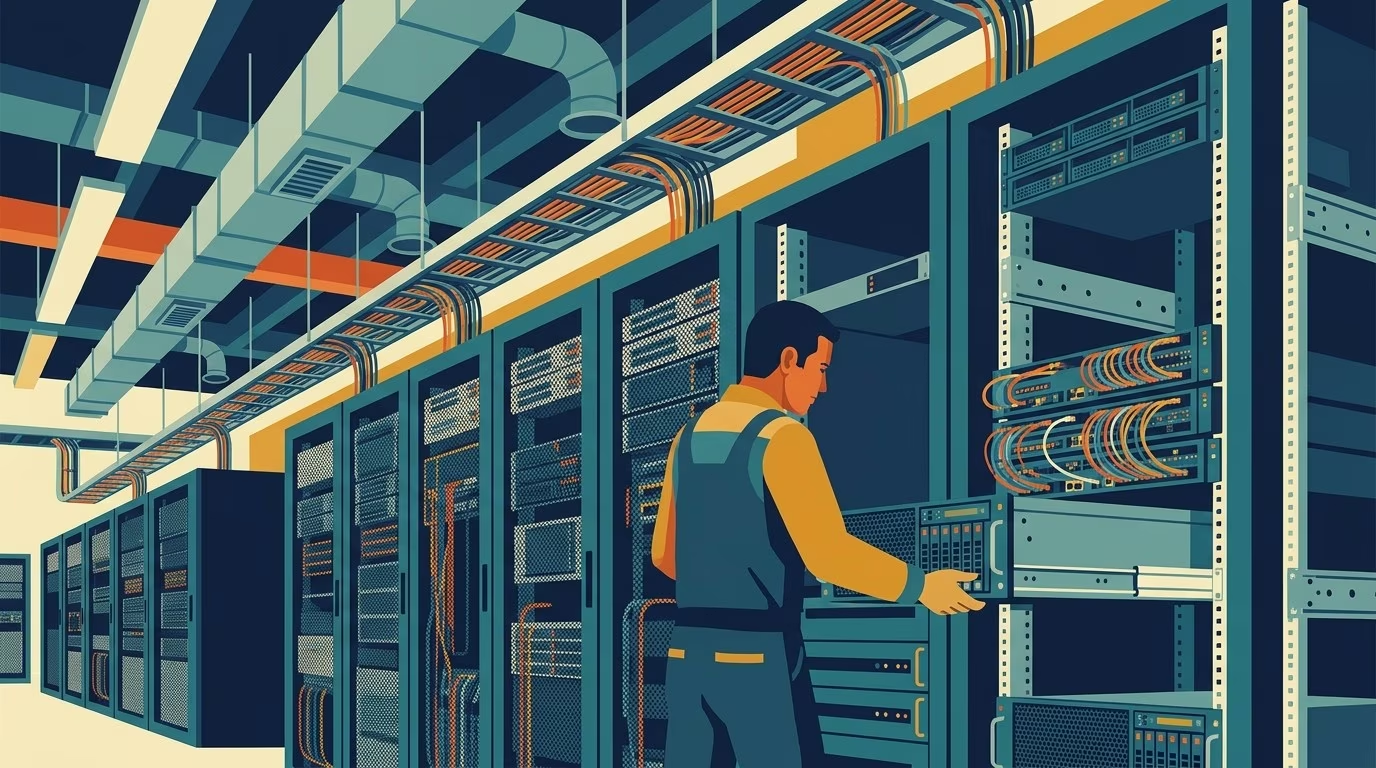
Flat editorial illustration: The article’s core relationship is between growing compute density and adaptable rack hardware that
6 Details That Make a Data Centre’s Server Room Easier to Scale
Best Practices Data Management Exclusive IT
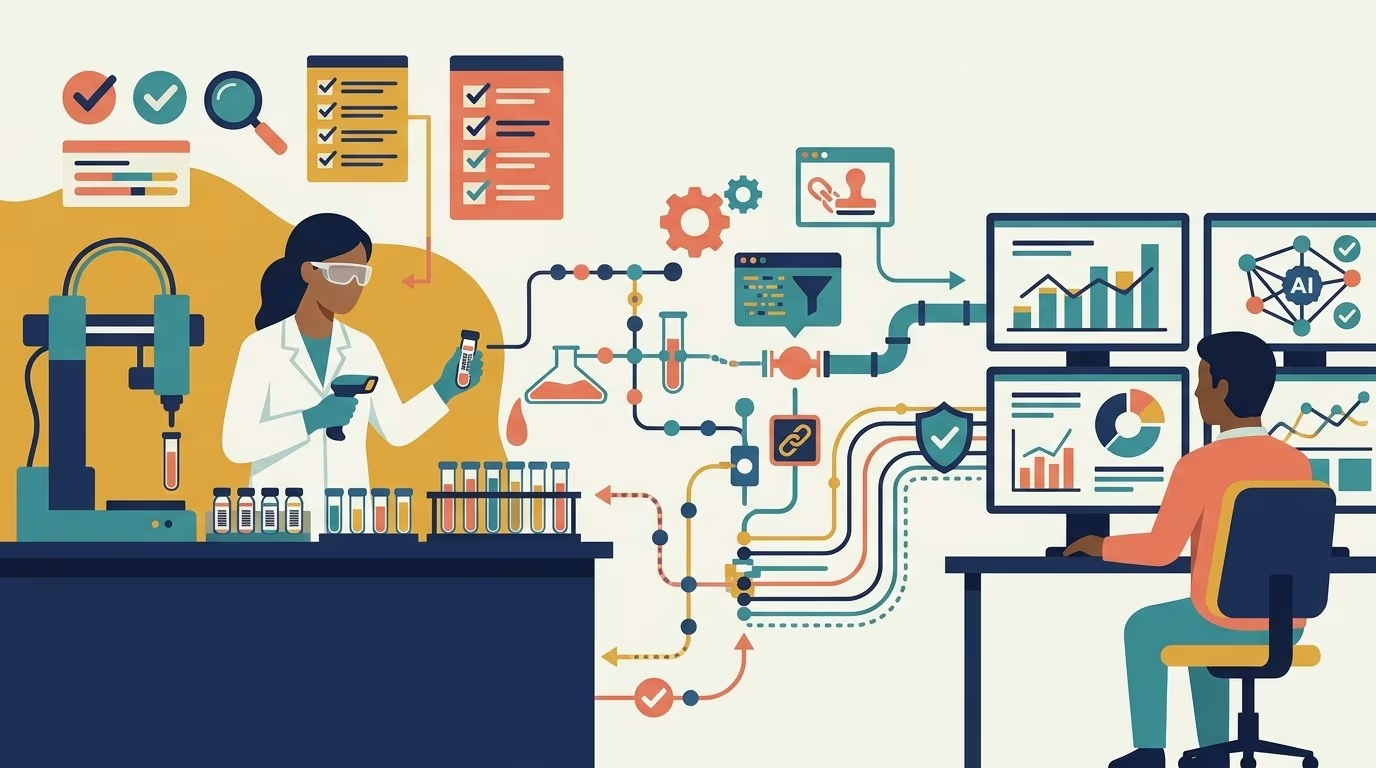
Flat editorial illustration: The article’s core relationship is a transfer of discipline from regulated laboratories to analytics
What Business Intelligence Teams Can Learn from Lab Data Governance
Business Intelligence Exclusive
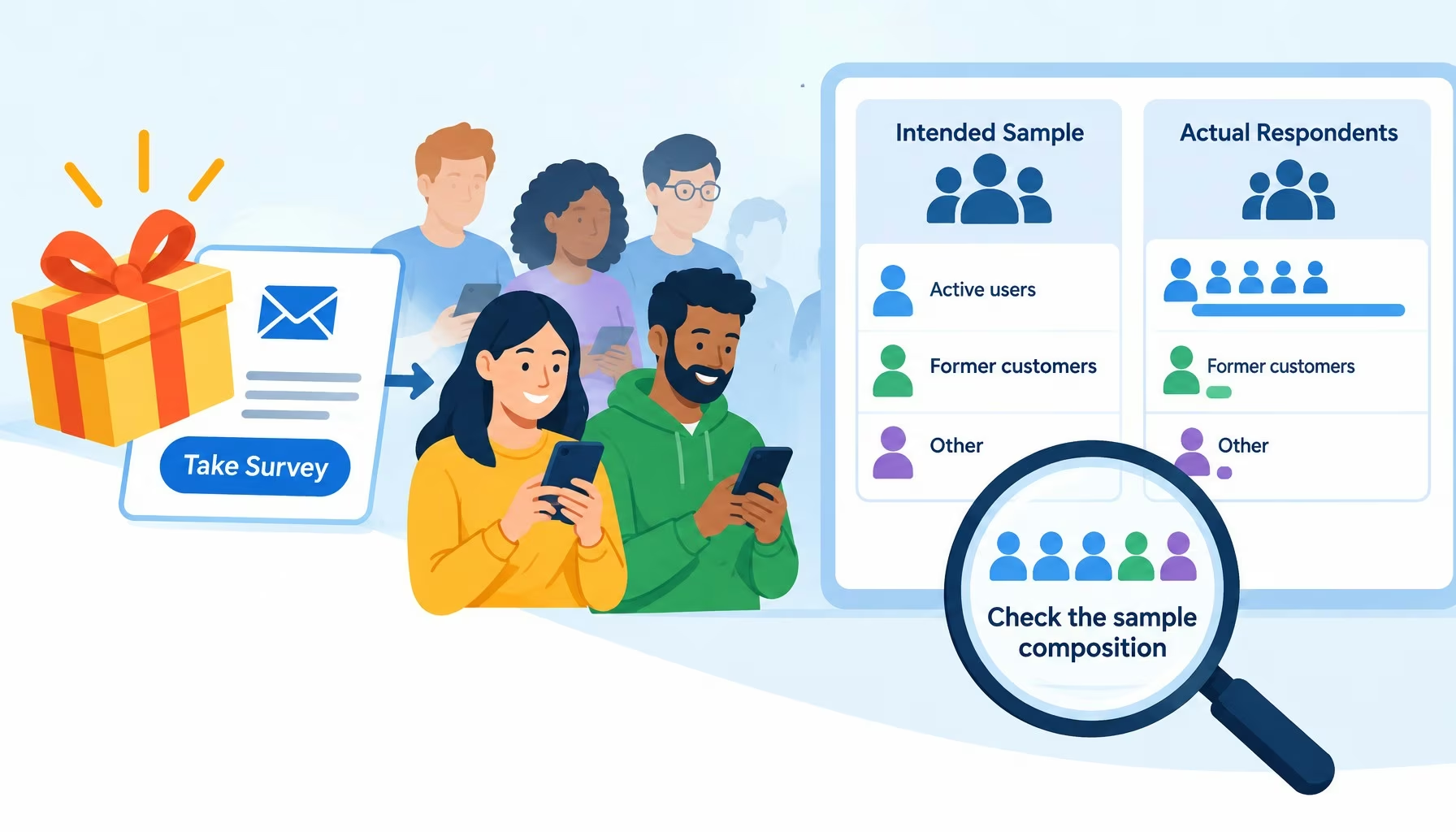
Flat editorial illustration: A guaranteed reward can raise participation while skewing the respondent pool toward active customer
Incentive-Driven Response Bias: Auditing Sample Composition Before You Trust Survey Data
Big Data Data Quality Exclusive

Stay Connected

1.2KFollowersLike
33.7KFollowersFollow
222FollowersPin

You Might also Like

Press Start to Learn: How Gamification Is Changing Education
Mobility

Press Start to Learn: How Gamification Is Changing Education

7 Min Read
The Computing Deployment Phase
Uncategorized

The Computing Deployment Phase

3 Min Read
Big Data and the Big Opportunity to Reform Education
Big DataCloud ComputingData ManagementData Mining

Big Data and the Big Opportunity to Reform Education

7 Min Read
How Companies are Meeting the Big Data Skills Challenge
Big DataWorkforce Data

How Companies are Meeting the Big Data Skills Challenge

5 Min Read

SmartData Collective is one of the largest & trusted community covering technical content about Big Data, BI, Cloud, Analytics, Artificial Intelligence, IoT & more.

ai chatbot
How AI Website Chatbots Improve Customer Support and Lead Generation
Chatbots Exclusive
Chatbots and SEO: How Can Chatbots Improve Your SEO Ranking?
Artificial Intelligence Chatbots Exclusive

Quick Link

  • About
  • Contact
  • Privacy
Follow US
© 2008-26 SmartData Collective. All Rights Reserved.
Welcome Back!

Sign in to your account

Username or Email Address
Password

Lost your password?