Cookies help us display personalized product recommendations and ensure you have great shopping experience.

By using this site, you agree to the Privacy Policy and Terms of Use.
Accept
SmartData CollectiveSmartData Collective
  • Analytics
    AnalyticsShow More
    data analytics
    How Data Analytics Can Help You Construct A Financial Weather Map
    4 Min Read
    financial analytics
    Financial Analytics Shows The Hidden Cost Of Not Switching Systems
    4 Min Read
    warehouse accidents
    Data Analytics and the Future of Warehouse Safety
    10 Min Read
    stock investing and data analytics
    How Data Analytics Supports Smarter Stock Trading Strategies
    4 Min Read
    predictive analytics risk management
    How Predictive Analytics Is Redefining Risk Management Across Industries
    7 Min Read
  • Big Data
  • BI
  • Exclusive
  • IT
  • Marketing
  • Software
Search
© 2008-25 SmartData Collective. All Rights Reserved.
Reading: The Simple Minded Effects of Social Media
Share
Notification
Font ResizerAa
SmartData CollectiveSmartData Collective
Font ResizerAa
Search
  • About
  • Help
  • Privacy
Follow US
© 2008-23 SmartData Collective. All Rights Reserved.
SmartData Collective > Uncategorized > The Simple Minded Effects of Social Media
Uncategorized

The Simple Minded Effects of Social Media

PaulBarsch1
PaulBarsch1
6 Min Read
SHARE

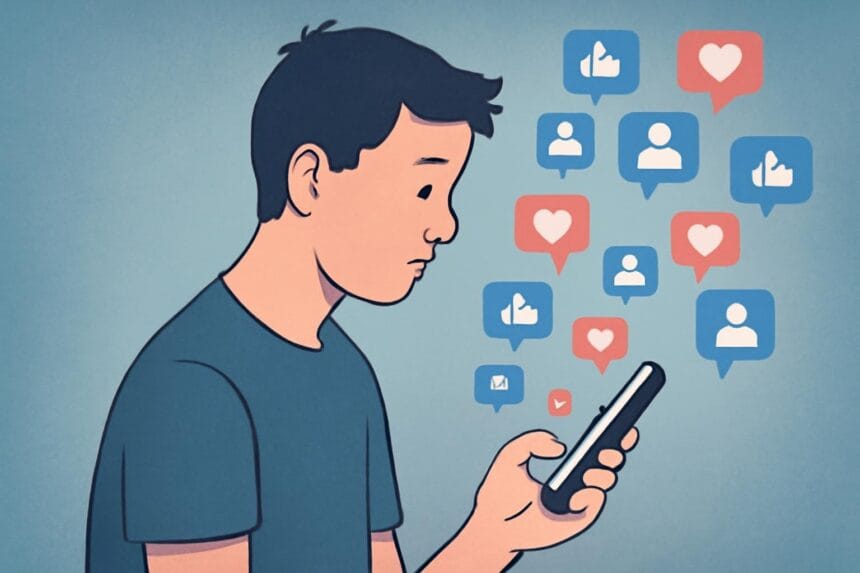
dunceNeuroscientists have shown in study after study that multi-tasking isn’t helping us be more productive, but, in fact, is making us dumber. Are social media tools, with their promise of instant connectivity, notification, and collaboration adding fuel to the fire?

There is a lot of excitement about staying up-to-date and making personal connections with new media tools and applications (think: Facebook, Twitter etc). However, in our attempt to multi-task and keep up to speed on everything we deem relevant, there’s a potential dark side—the dumbing down of our brains.

The Atlantic, features an article titled, “The Autumn of the Multi-Taskers.” In the article, author Walter Kirn, discusses the stress we place on our minds and bodies when we attempt too much multi-tasking with social media tools, Blackberry’s, IM and more.
For example, Kirn notes that through the use of functional magnetic resonance imaging, scientists have discovered:

More Read

Big Data Will Make IT the New Intel Inside
Socialthing!
Getting More from Analytics Through Mainframe Data Virtualization
Getting a Web application to talk to R
Finding Important Data for a Modeling Exercise

“Multi-tasking messes with our brains in several ways. At the most basic level, the mental balancing acts that it requires—the constant switching and pivoting—energize regions of the brain that specialize in visual processing and physical …


dunceNeuroscientists have shown in study after study that multi-tasking isn’t helping us be more productive, but, in fact, is making us dumber. Are social media tools, with their promise of instant connectivity, notification, and collaboration adding fuel to the fire?

There is a lot of excitement about staying up-to-date and making personal connections with new media tools and applications (think: Facebook, Twitter etc). However, in our attempt to multi-task and keep up to speed on everything we deem relevant, there’s a potential dark side—the dumbing down of our brains.

The Atlantic, features an article titled, “The Autumn of the Multi-Taskers.” In the article, author Walter Kirn, discusses the stress we place on our minds and bodies when we attempt too much multi-tasking with social media tools, Blackberry’s, IM and more.

For example, Kirn notes that through the use of functional magnetic resonance imaging, scientists have discovered:

“Multi-tasking messes with our brains in several ways. At the most basic level, the mental balancing acts that it requires—the constant switching and pivoting—energize regions of the brain that specialize in visual processing and physical coordination and simultaneously appear to shortchange some of the higher areas related to memory and learning.”

We like to pride ourselves on the ability to keep up with it all. We ask ourselves, “Why can’t I be on Outlook, have my IM application open, pick up the phone, read a business magazine, and have Linked In and Facebook running all at the same time?”

We’re taught that multi-tasking is the wave of the future. Do more with less. Keep up on everyone and everything. We tell ourselves we can do it all.

Neuroscientists, however, would disagree.

Kirn’s article mentions a study where two groups were asked to sort index cards. One trial group sorted in silence, the other had the same task but also was required to listen for specific tones from a grouping of sounds. At the end of the experiment, both groups sorted the cards properly, but the multi-tasking group couldn’t remember what “exactly” they were sorting.

As social media technologies (i.e. RSS, social networking and web applications, micro-blogging etc), become more prevalent and adoption rates climb, it seems we’re staying more connected with our communities and world, but forgetting half the stuff (perhaps purposefully) pushed to us via these technologies.

Our brains are out-tasked and overloaded—and yet we often look for more opportunities to cram additional information into our heads.

Sometimes, this pursuit of an “always-on” world translates into ill effects for our bodies. The article continues;

“Certain studies find that multi-tasking boosts the level of stress related hormones such as cortisol and adrenaline and wears down our systems through biochemical friction—prematurely aging us. In the short term, the confusion, fatigue and chaos merely hamper our ability to focus and analyze, but in the long term they cause (our brain) to atrophy.”

Despite the provocative title of this post, it is not my intention to indict social media technologies, or the use of any other technology such as cellular phone, PDA, instant messaging and the like. The real issue of concern is lost focus and effectiveness when we use too many of these technologies at the same time.

I believe the best course of action is a careful balance of the use of these value adding technologies with our innate ability to capture, process and store information.

We’re not a machine, but I wonder sometimes if we think we are.


Link to original post

TAGGED:Multi-Taskingsocial media
Share This Article
Facebook Pinterest LinkedIn
Share

Follow us on Facebook

Latest News

protecting patient data
How to Protect Psychotherapy Data in a Digital Practice
Big Data Exclusive Security
data analytics
How Data Analytics Can Help You Construct A Financial Weather Map
Analytics Exclusive Infographic
AI use in payment methods
AI Shows How Payment Delays Disrupt Your Business
Artificial Intelligence Exclusive Infographic
financial analytics
Financial Analytics Shows The Hidden Cost Of Not Switching Systems
Analytics Exclusive Infographic

Stay Connected

1.2KFollowersLike
33.7KFollowersFollow
222FollowersPin

You Might also Like

Instagram data usage
Big DataExclusive

Big Data For Instagram: Using Data To Perfect Your Instagram Storyboard

6 Min Read

How to Drive Results Quickly…

4 Min Read

Social Media and CRM

6 Min Read
big data for social media
AnalyticsBig DataExclusiveSocial Data

5 Tools That Use Big Data For Social Media Optimization

7 Min Read

SmartData Collective is one of the largest & trusted community covering technical content about Big Data, BI, Cloud, Analytics, Artificial Intelligence, IoT & more.

AI and chatbots
Chatbots and SEO: How Can Chatbots Improve Your SEO Ranking?
Artificial Intelligence Chatbots Exclusive
data-driven web design
5 Great Tips for Using Data Analytics for Website UX
Big Data

Quick Link

  • About
  • Contact
  • Privacy
Follow US
© 2008-25 SmartData Collective. All Rights Reserved.
Go to mobile version
Welcome Back!

Sign in to your account

Username or Email Address
Password

Lost your password?