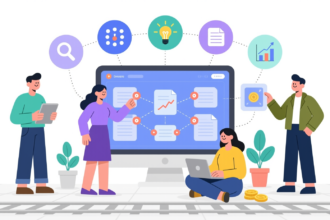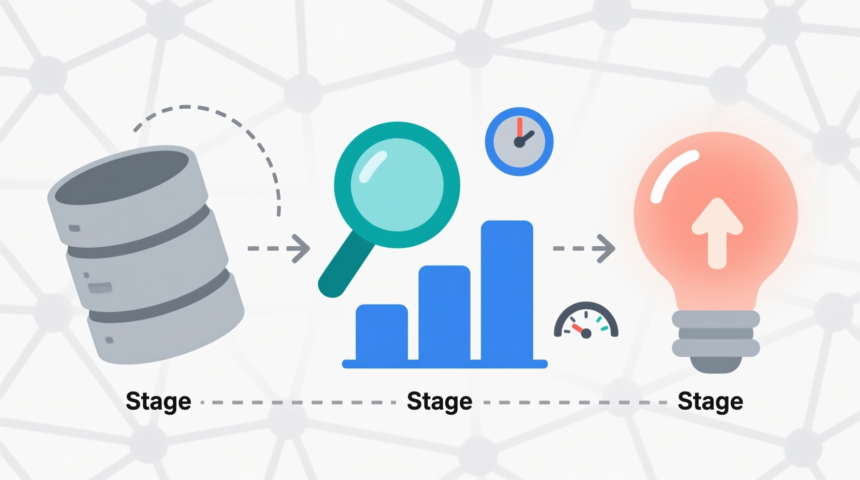
Predictive analytics, sometimes referred to as big data analytics, relies on aspects of data mining as well as algorithms to develop predictive models. These predictive models can be used by enterprise marketers to more effectively develop predictions of future user behaviors based on the sourced historical data.
These statistical models are growing as a result of the wide swaths of available current data as well as the advent of capable artificial intelligence and machine learning. The applications of predictive analytics are extensive and often require four key components to maintain effectiveness.
1. Data Sourcing
Fundamental to any aspect of data science, it’s difficult to develop accurate predictions or craft a decision tree if you’re garnering insights from inadequate data sources. That’s why, in any predictive analytics scenario, it’s critical that the data sources are capably and thoroughly vetted to ensure they are able to provide answers to high-level decision-making questions. Without big data in predictive analytics, these descriptive models can’t offer a competitive advantage or negotiate future outcomes.
During this stage, one of your best practices will be to identify data gaps in your outputs. You’ll also want to review the data’s regulatory components and privacy factors to determine the validity of a given source.

2. Data Utility
Once you’ve found the right data segments and you’re ready to develop a predictive analysis based on these large data sets, you need to determine exactly how useful your data is. For any marketing campaign or predictive analytics application, one of your better decisions may be to source information directly instead of relying on actionable insights provided by third parties. While third-party data can play a role in both optimization and conversions, it isn’t necessarily the most useful in the predictive analytics world. This can cause certain business problems with both your data points as well as your data analytics, web analytics, and response variable.

Regardless of your industry, whether it’s an enterprise insurance company, pharmaceuticals organization, or financial services provider, it could benefit you to gather your own data to predict future events. From a predictive analytics standpoint, you can be surer of its utility.
3. Deep Learning, Machine Learning, and Automation
Many business processes are trending towards the utility of the business intelligence sphere, especially where certain predictive analytics tools are concerned. However, many data scientists and business analysts can’t readily lean on automated regression techniques like logistic regression and linear regression. This stems, largely, from the fact that there are certain data regulations in place when it comes to marketing tech and predictive analytics software.
Few vendors have capably integrated some of these advanced analytics and data modeling features into their predictive analytics software since it’s difficult to regulate data automation compliance in real-time.
4. Objectives and Usage
Business users need to determine whether or not their predictive analytics are meeting key needs or if the raw data, customer responses, and analytics methods are providing false positives. Not only do you want to ensure that your predictive analytics tools are providing you with an accurate forecast after data preparation, but you also want to determine that you can correlate predictive analytics to your business objectives. Early adopters and practitioners that use past data and predictive analytics deployment without meeting key objectives are likely missing out on some of the key components of such a model.

On top of all of this, small businesses and enterprises alike need to understand that predictive analytics data sets are most effective not just for classification models or visualization but also for feature and service enhancement. Predictive models are sure to change the landscape or many businesses. From applying sensor data to using data points for smarter data analytics, there’s no telling just how much of an impact predictive models will have on countless industries.