We use cookies, including third-party cookies from Google to serve personalized ads through AdSense, to operate this site and understand how it is used. By continuing to browse, you accept this use. See our Privacy Policy and Terms of Use for details, including how to opt out of personalized advertising.
Accept
SmartData CollectiveSmartData Collective
  • Analytics
    AnalyticsShow More
    What Kind of Problem-Solving Distinguishes Data Analysts From Software Engineers -- AI-generated illustration
    What Kind of Problem-Solving Distinguishes Data Analysts From Software Engineers
    7 Min Read
    chatgpt image jul 21, 2026, 04 34 30 pm
    4 Core Benefits of Predictive Maintenance after Vibration Analysis
    10 Min Read
    How Does Data Mining Boost Customer Satisfaction in Logistics? Harnessing Analytics for Results -- AI-generated illustration
    How Does Data Mining Boost Customer Satisfaction in Logistics? Harnessing Analytics for Results
    11 Min Read
    chatgpt image jul 13, 2026, 04 23 45 pm
    How Data Analytics Helps Companies Improve User Engagement
    19 Min Read
    chatgpt image jul 13, 2026, 03 59 46 pm
    How Data Analytics Improves Multi-Location Search Strategies
    10 Min Read
  • Big Data
  • BI
  • Exclusive
  • IT
  • Marketing
  • Software
Search
© 2008-25 SmartData Collective. All Rights Reserved.
Reading: A New Decision Engine: Hunch, and Guided Analysis for the Enterprise
Share
Notification
Font ResizerAa
SmartData CollectiveSmartData Collective
Font ResizerAa
Search
  • About
  • Help
  • Privacy
Follow US
© 2008-23 SmartData Collective. All Rights Reserved.
SmartData Collective > Big Data > Data Mining > A New Decision Engine: Hunch, and Guided Analysis for the Enterprise
Business IntelligenceData Mining

A New Decision Engine: Hunch, and Guided Analysis for the Enterprise

Timo Elliott
Timo Elliott
7 Min Read
A New Decision Engine: Hunch, and Guided Analysis for the Enterprise
Illustrative image generated with OpenAI gpt-image-1.
SHARE

A new “Decision Engine” called Hunch was launched today. How might this type of technology relate to collaborative decision-making in enterprises?

Hunch’s tagline is “Hunch helps you make decisions and gets smarter the more you use it.” From the web site:

What is Hunch? Hunch is a new way to help people make all kinds of decisions, such as:

  • Where should I go on vacation?
  • What’s the best US college for me?
  • What kind of smartphone is right for me?
  • Which museum should I visit in the Netherlands?
  • What blog should I read?

Results are based on the collective knowledge of Hunch’s users. Hunch already has more than 2,500 possible topics, and Hunch users add new topics every day.

Hunch asks you 10 questions or less, some about what you need or want and some about who you are. Like a human expert, Hunch chooses questions intelligently and adapts them depending on how you answer.

After asking you questions, Hunch offers you a result. You can leave feedback on Hunch’s results and also explore other results based on the input of Hunch users.

You can train Hunch or correct a fact it got wrong. This is how Hunch learns and gets smarter. Topics get smarter as more people train them. So new topics may start out not so smart, but they’ll get smarter over time.

Users contribute to Hunch in various ways:

  • Don’t like the questions that Hunch asked you? Submit a different question.
  • Don’t see the result you wanted on Hunch? Propose a better result.
  • Looking to make a decision that isn’t on Hunch? Add a new topic.

See the rest of the tour

It certainly seems like useful technology – and might be even more useful in a corporate context. How many times do different people need to make similar decisions, but end up doing it in completely different ways, because there’s no common context or methodology? How much could performance be improved if everybody made decisions as well as the best person (or better)?

More Read

15 Companies from Airports to Retail Already Using Beacon Technology
3 Tips for Delivering Mobile BI to Your Company
“Big Data” Is Coming, “Big Data” Is Coming:
Is AI Improving Fairness in the Lending Industry?
Big Data Enabled CRM – Is It The Future Of CRM Software?

Guided Analysis

The enterprise equivalent of this technology has been typically been called “guided analysis”: helping business users undertake analytic tasks by stepping them through a series of actions, and (without the web 2.0 angle) it’s been available in various guises in existing BI solution portfolios.

For example, the BusinessObjects Analytic Applications from a few years ago included ‘storylines” that helped analysts move from one analytic to another:

And the applications included workflow tools for predefined lists of analytic steps (for example, this was used by Somerfield supermarkets in the UK to ensure that each business analyst looked at the right analytics when reviewing which products to stock).

This technology was then incorporated into the BusinessObjects Encyclopedia part of the standard SAP BusinessObjects platform functionality. Administrators could set up Business Questions and suggest reports and measures that might be useful in answering the questions:

And set up “storylines” for the Guided Analysis tab of the Encyclopedia.

These storylines are then available to anybody using the portal.

Sadly, anecdotal feedback suggests that awareness and usage of this functionality has been fairly low, in part because of the maintenance requirements, but also because a lack of business skills within the IT organization, or because there was simply no agreed best practice to be recorded.

Looking forward, this type of functionality (along with workflow, discussion threads, rating, etc.) is becoming an essential part of an information platform layer designed to provide a consistent set of workflow and guidance across all information sources and activities (e.g. BI, planning and budgeting, collaboration around information management, etc.)

As the industry matures, we’re moving from BI efficiency (helping people access information quickly) to BI effectiveness (making sure that people are analyzing the right things in the right way) and effective guided analysis is an important part of this process.

Human nature means that it’s very hard to spend the time necessary to put together good best practice workflow. Allowing business people not only to collaborate around data, but also collaborate around processes for best practice decision-making will clearly be a big part of the future of “BI 2.0” and business user applications.

Was this interesting? Share with others on Twitter with automatic URL shortening! 
Share This Article
Facebook Pinterest LinkedIn
Share

Follow us on Facebook

Latest News

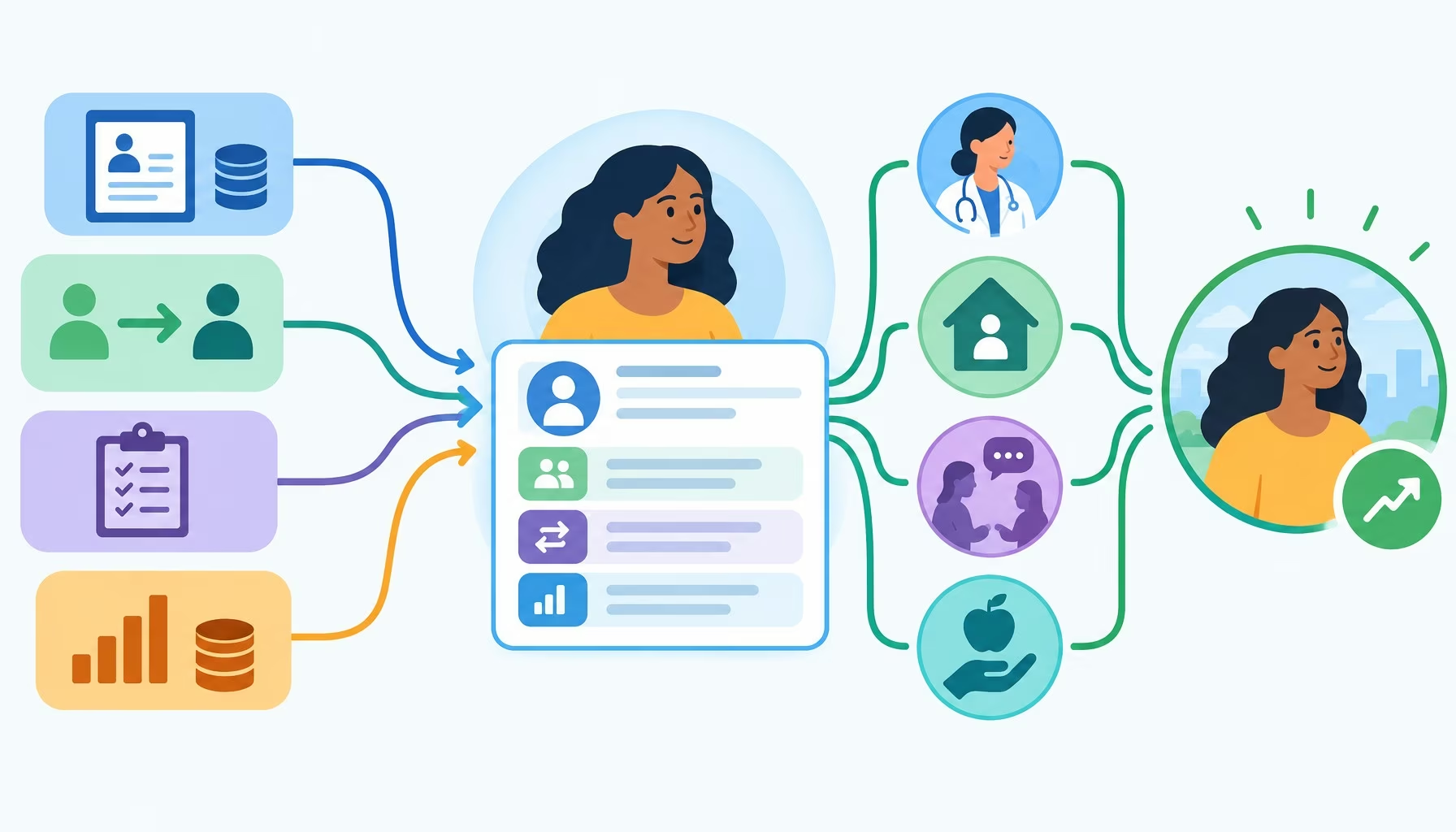
Flat editorial illustration: The article connects fragmented social-service records through shared pathways and selective informa
Turning Disconnected Information Data Into Better Social Service Outcomes
Big Data
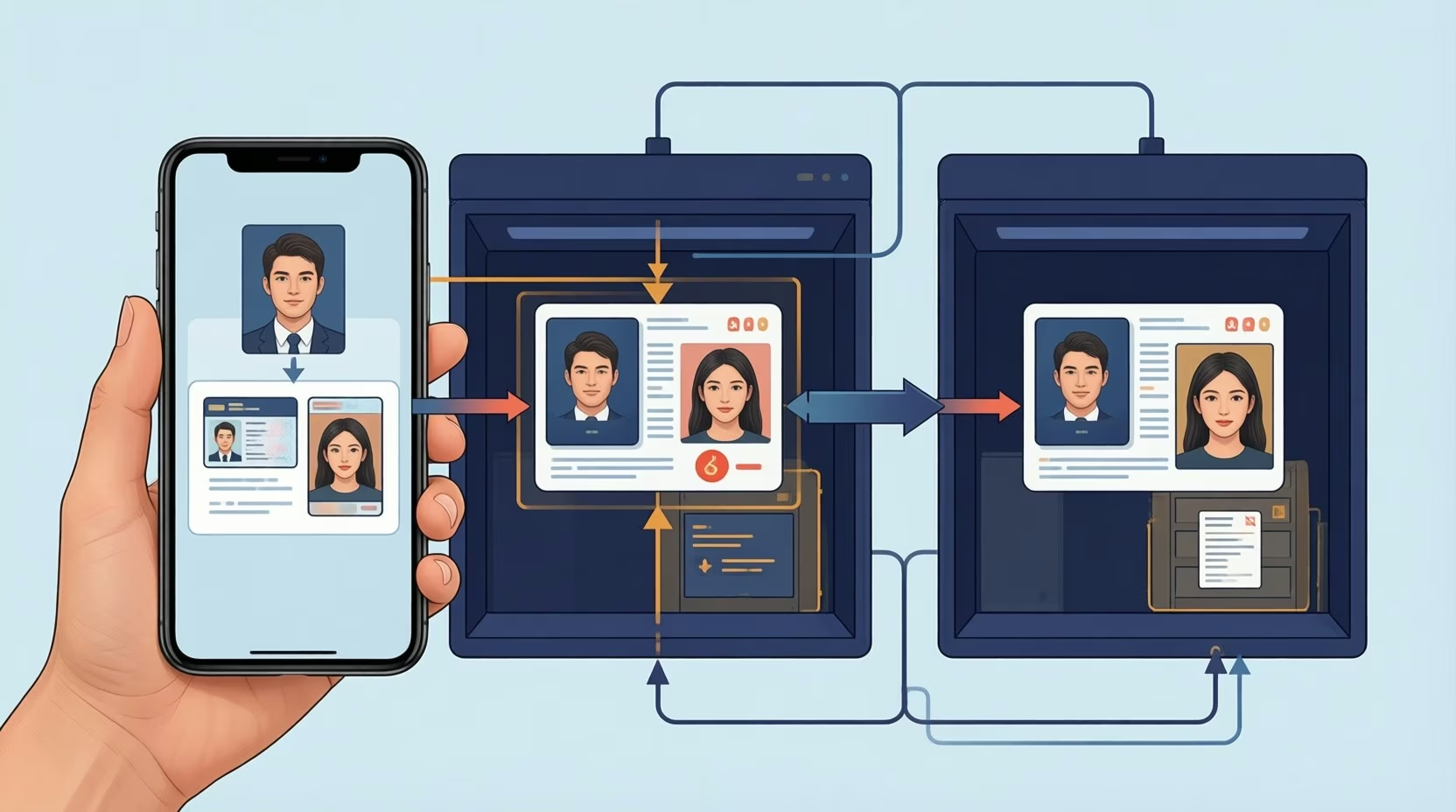
Flat editorial illustration: The article explains how one KYC upload becomes separate records held by a verification vendor and a
What Happens to My KYC Data Behind the Approval Screen?
Big Data Exclusive
Flat editorial illustration: The article connects AI-generated avatar variants with disciplined, measurable video experiments. A
How to Use an AI Avatar Generator to Run Measurable Video Experiments
Artificial Intelligence Exclusive
Flat editorial illustration: The article’s core relationship is between growing compute density and adaptable rack hardware that
6 Details That Make a Data Centre’s Server Room Easier to Scale
Best Practices Data Management Exclusive IT

Stay Connected

1.2KFollowersLike
33.7KFollowersFollow
222FollowersPin

You Might also Like

Business Discovery Frees IT to Focus on Its Core Competencies
Best PracticesBusiness Intelligence

Business Discovery Frees IT to Focus on Its Core Competencies

3 Min Read
Five Stages of Twitter Relevance
Business Intelligence

Five Stages of Twitter Relevance

6 Min Read
Are Data Scientists Overpaid?
Big DataCulture/LeadershipData MiningInside CompaniesMarket Research

Are Data Scientists Overpaid?

4 Min Read
5 Business Expenses That Data Can Help Reduce
Big DataBusiness IntelligenceData ManagementExclusive

5 Business Expenses That Data Can Help Reduce

6 Min Read

SmartData Collective is one of the largest & trusted community covering technical content about Big Data, BI, Cloud, Analytics, Artificial Intelligence, IoT & more.

From Bolts to Bots: How AI Is Fortifying the Automotive Industry
Artificial Intelligence
The Art of Conversation: Enhancing Chatbots with Advanced AI Prompts
Chatbots

Quick Link

  • About
  • Contact
  • Privacy
Follow US
© 2008-26 SmartData Collective. All Rights Reserved.
Welcome Back!

Sign in to your account

Username or Email Address
Password

Lost your password?