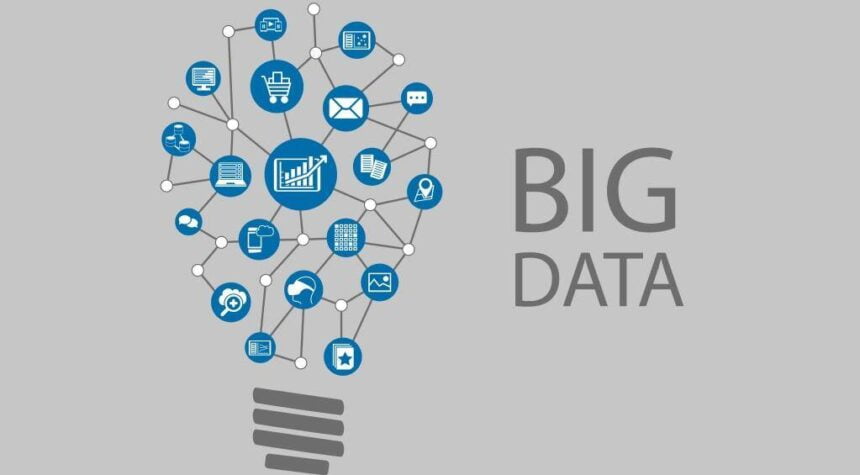
Big data has already heralded some massive changes in the world of finance, but new tech is pushing new trends for the industry. Anyone in the financial sector—and even common consumers—can benefit from recognizing them.
Data Trends for Finance in 2017
Use these trends to direct your investments, your choices as a consumer, and your direction within the finance industry overall:
1. Real-time financial data.
Stock prices have been streaming for a while, but real-time capturing and analysis of financial data could start affecting more niches. For example, financial institutions could start making decisions based on micro-changes in prices, and consumers could expect to be evaluated for loans differently based on temporary fluctuations.
2. Improved risk analysis.
The improved capabilities of banks to assess risk could be beneficial to consumers and help banks improve profitability at the same time. For example, advanced AI-driven algorithms could calculate the probability of an individual defaulting on a mortgage using more data points than just a credit score or initial down payment. It could help new entrepreneurs get unsecured loans, rather than secured loans, and drive more home ownership and more economic momentum as capital becomes more available.
3. Open source models.
With the abundance of data-related tools and strategies available to financial institutions, more companies and organizations are pushing for open source datasets. The advantage here is that more companies and organizations contributing to the common pool will result in greater collective knowledge and insight, which in turn, can help everyone make decisions that better affect the economy, and secure higher profitability. As predictive analytics becomes more popular, the volume offered by open source models is going to become even more important.
4. Public and/or hybrid cloud investments.
Private cloud models sound safer, but public and hybrid cloud models could be viable investments for the financial sector. Public clouds offer the advantages of lower costs, fewer contracts, shared hardware, and less need for ongoing management. It still has a few kinks to work out, but it could change how banks store, provide, and access data in the future.
5. The Internet of Things (IoT).
We’ve been promised a revolution from the IoT for several years now, but analysts are predicting we’re finally ready to see mass integration. Within a few years, there could be up to 25 billion IoT devices in circulation, and you can bet banks will be first in line to take advantage of them. IoT could allow customers to make payments more conveniently, and in more ways. In turn, financial institutions would be able to collect more data on its customers than ever before.
6. The Blockchain.
Ever since Bitcoin became popular, people have been excited about Blockchain—a system of publicly recording peer-to-peer transactions in a safe, encrypted way that protects users from fraud (while simultaneously keeping them anonymous). Again, the Blockchain isn’t a foolproof system, and it relies on high volumes of participation to work most efficiently, but it’s being developed as one of the biggest leaps forward in financial technology, and could revolutionize how we make and receive payments.
7. Talent shortages.
Though not a technological trend, per se, it is a repercussion of these growing technological trends. Our wealth of data requires human data analysts and predictive analytics specialists to make more informed, profitable decisions on behalf of businesses. Demand is rising, but availability isn’t—leading to severe talent shortages in this area.
Stay Plugged In
Data trends can escalate or shift rapidly based on the introduction of new technology, or the discovery of game-changing factors, such as security flaws. In an industry as sensitive and as exposed to public scrutiny as the financial sector, this is even truer. Stay tuned to your favorite tech and financial blogs in the coming year, and be prepared for some surprising changes as we learn more about these trends.