 The costs associated with enterprise technology procurement have traditionally been treated as a capital expenditure (CapEx), thereby allowing an organization to amortize (for intangibles) and depreciate (for tangible goods) the costs of technology over an extended period of time (typically five years.) The logic of CapEx as an accounting met
The costs associated with enterprise technology procurement have traditionally been treated as a capital expenditure (CapEx), thereby allowing an organization to amortize (for intangibles) and depreciate (for tangible goods) the costs of technology over an extended period of time (typically five years.) The logic of CapEx as an accounting method is that the costs of “capital” represent investments that are intended to create long term value for the business. Given an extended value, you can apportion the costs of the asset across that period of time, as well.
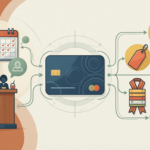
In contrast, operating expenses support day-to-day functions of the business. OpEx represent the costs of doing business in the “here and now.” With the emerging prominence of cloud computing and SaaS pricing models for products like Trillium Cloud, organizations are now in a position to rethink their procurement processes – and their accounting methods – to accommodate enterprise solutions that 1) are acquired via a subscription and 2) are focused on delivering business value quickly. Given the Trillium Cloud commitment to be delivering value to our customers within 30 days, there’s a strong correlation between technology value, the SaaS model and accounting for acquisition of a service like Trillium Cloud as an operating expense.
With its “data quality as a service” approach (through a SaaS subscription), Trillium Cloud customers are now in a position to:
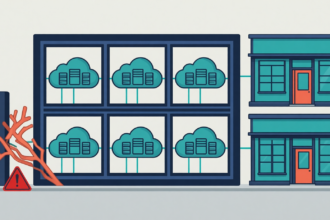
- Acquire data quality services appropriate to their known data volumes – Unlike on-premise deployments that require hardware and infrastructure software sizing efforts, Trillium takes on that effort both initially and going forward, while mitigating the costs. Trillium leverages the economies of scale available via our cloud infrastructure provider to ensure that clients get an operating environment that is right-sized to address current requirements and which offers the scalability to expand as needs require. There’s no need to “over-buy” in anticipation of the future.
- Accelerate the process by which customers can begin their data quality efforts. – Trillium’s commitment is to have clients up and running within 30 days. We recognize that our clients prefer to avoid lengthy and laborious launch processes, if possible. Trillium Cloud shortens the deployment runway for an operational solution by effectively eliminating deployment.
- Eliminate secondary and tertiary adoption barriers. – On premise systems do not run themselves. By offering the ongoing administrative services – both system and business level in composition – Trillium eliminates staffing requirements and other considerations that now become “non-essentials”, given that Trillium has taken on that responsibility.
Partnering with the Line of Business
Lastly, a SaaS/OpEx model positions data quality services in a way that many enterprises should find both logical and well suited to their needs. The old axiom is that “customers don’t really want to buy shovels, they just want the holes.” Trillium Cloud focuses efforts – both ours and the clients – on the end solution (admittedly, a “hole” is not the most elegant of metaphors for data quality services, but it will work in this instance. There are still clients who will want to support on premise deployments for particular business reasons. On premise implementations still work and, to quote an old Seinfeld episode, “not that there’s anything wrong with that.”
But for clients who want the benefits, but not the encumbrance of the underlying infrastructure and ongoing administration, Trillium Cloud becomes an attractive choice. And now it can be budgeted as a business expense much like other operational costs, rather than being hidden within some IT-centric capital cost structure. And clients can now judge the value on an ongoing basis, affirming – through renewals – that data quality is a fundamental element of their business – not IT – architecture.
by Chris Martins, Product Marketing Manager, Trillium Software