Even after several years after its initial launch, I still find people who think SAP HANA is primarily a fast, expensive database — a “luxury” that they don’t need and can’t afford.
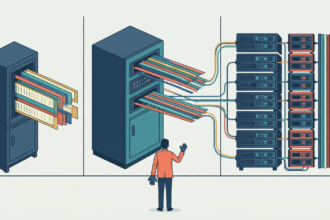
But from the very start, HANA wasn’t about “speed” — it was about how rapidly-falling technical barriers would let us get much closer to the age-old vision of seamless, simplified management information systems.
Even after several years after its initial launch, I still find people who think SAP HANA is primarily a fast, expensive database — a “luxury” that they don’t need and can’t afford.
But from the very start, HANA wasn’t about “speed” — it was about how rapidly-falling technical barriers would let us get much closer to the age-old vision of seamless, simplified management information systems.
It’s already been six years since Hasso Plattner’s SIGMOD paper that pointed out that existing relational database systems had failed to deliver on their promises:
“Relational database systems have been the backbone of business applications for more than 20 years. We promised to provide companies with a management information system that covers the core applications, including financials, sales, order fulfillment, manufacturing, as well as human resources, which run from planning through business processes to individually defined analytics. However, we fell short of achieving this goal.”
After explaining the benefits of in-memory columnar systems, the paper went on to predict a new generation of management information systems:
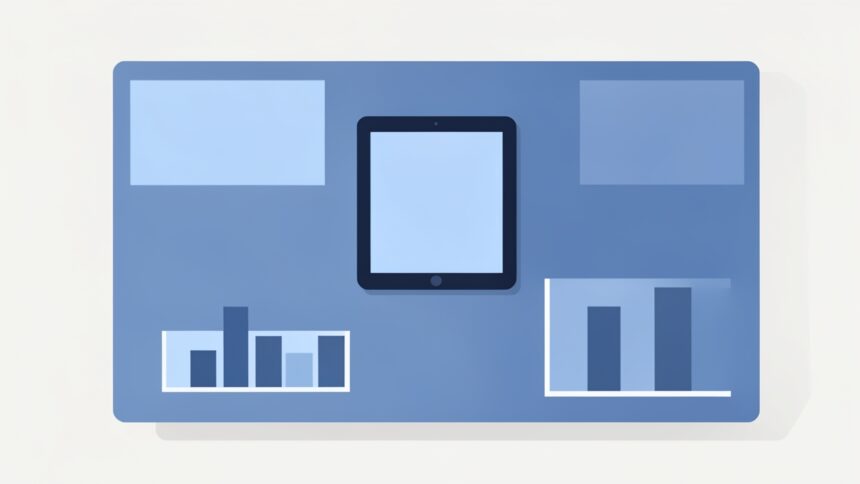
[We] predict enterprise systems … where all business transactions, queries, including unrestricted aggregations and time-based sequences, can be answered in just a couple of seconds… We expect that the impact on management of companies will be huge, probably like the impact of Internet search engines on all of us. [The illustration below] shows a future management meeting with information finally at your fingertips without any restriction.
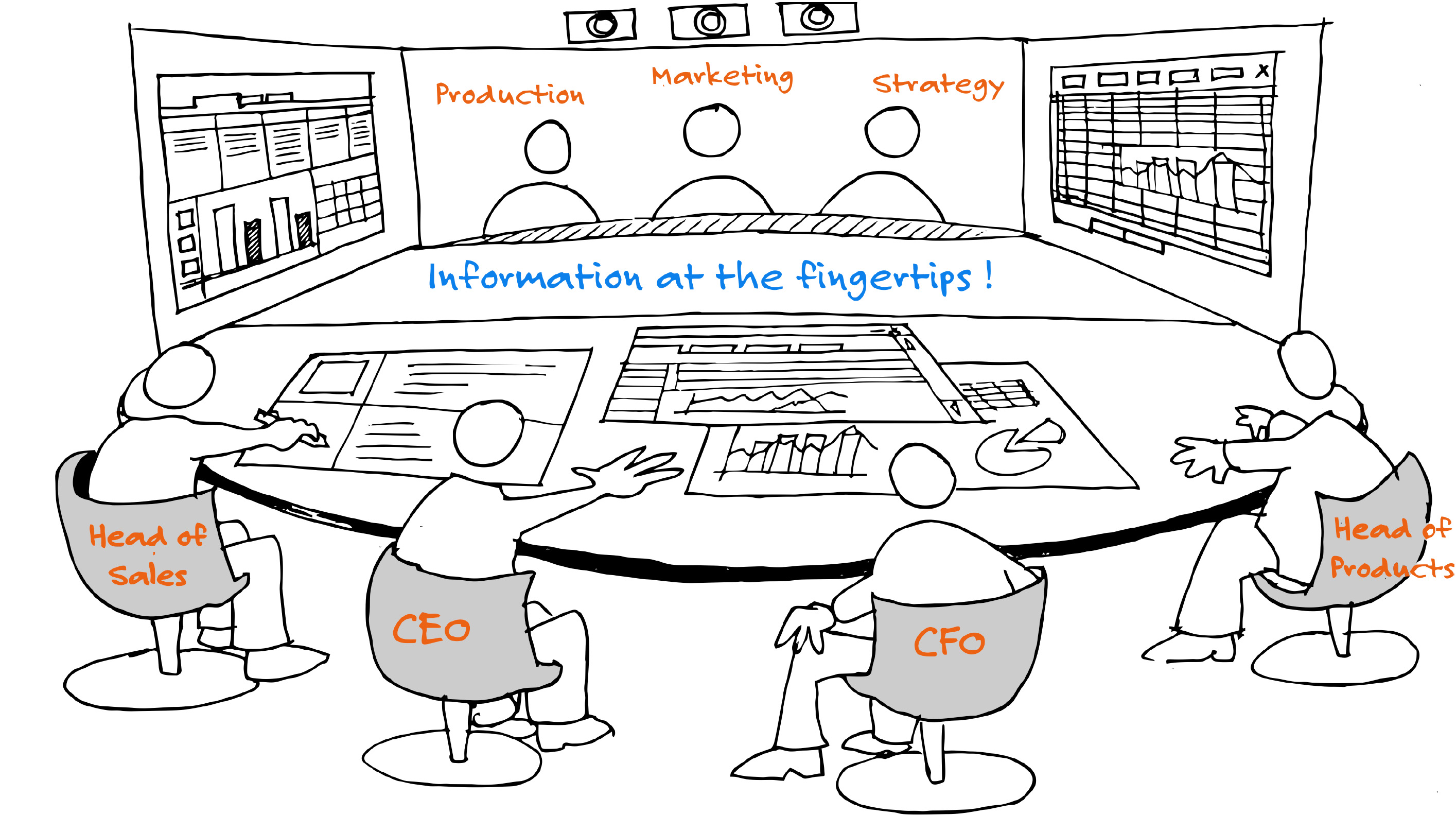
The Boardroom Of The Future
Real-World Simplification
Thankfully, there’s no longer as much need to debate the technical merits of HANA — we can now “simply” talk about the benefits delivered by real-world deployments.
Unilever is a good example. It’s one of the largest consumer packaged goods companies in the world. Every day, two billion people use its products. It sells a billion deodorants and two billion magnum ice-creams every year.
By anybody’s definition, it’s a very big, complex organization. But over the years, Unilever has become a master of innovation through simplification.
A decade ago, the company had over 250 enterprise resource planning applications. Working with SAP, that was reduced down to just four (and managed as one.) This helped streamline almost every aspect of the business.
They were early adopters of SAP HANA, using it first to accelerate their financial close. That project was implemented as a no-risk “sidecar” acceleration system — if anything went wrong, the system would just go back to the (complex) processes that Unilever had always used in the past.
But of course once people got used to seamless, iterative workflow — rather than having to wait overnight for each batch load — it was hard to go back.
At a recent conference, Marc Béchet, VP Global IT ERP of Unilever, explained that after a couple of quarters, a temporary problem with the sidecar pushed everybody back to the main system during month end, resulting in angry delegations to IT: “don’t let that ever happen again!”
As Unilever explained in a blog post last year, they quickly went “Beyond Acceleration” — the success of the project led Unilever to extend their use of SAP HANA to many other areas including product profitability and supply chain optimization.
And they’re now looking to the next big opportunities for innovation and simplification. They have done a proof of concept to take their entire European ERP system — all 38TB of information — and put it onto the SAP HANA in-memory system.
Source: Unilever
That simplified and compressed the data down to just 8Tb. This holds out the possibility of doing business in real-time, in ways that are simpler, faster, and smarter than in the past — and put the company one step closer to that “boardroom of the future.”
You can read many other examples of Unilever’s real-world experience in this detailed case study from The Business Transformation Journal: “Implementing the Real-Time Digital Enterprise to Unlock Value and Enable Business Growth“
The Conclusion is Simple
The big benefit of the new in-memory architectures isn’t speed, it’s simplicity, and flexibility, and the ability to do things in new ways.
These types of benefits are notoriously difficult to pinpoint in advance, so looking to other organizations who have already gone through the transition can be a useful guide — and they tend to be clear about their decisions. As Marc Béchet put it:
“If we knew then what we know now, we would have started deploying SAP HANA much earlier, because it’s so important for business… We think it’s even more disruptive than we initially thought — we’ve only just started”