We use cookies, including third-party cookies from Google to serve personalized ads through AdSense, to operate this site and understand how it is used. By continuing to browse, you accept this use. See our Privacy Policy and Terms of Use for details, including how to opt out of personalized advertising.
Accept
SmartData CollectiveSmartData Collective
  • Analytics
    AnalyticsShow More
    Flat editorial illustration: The article connects AI and marketing analytics with managerial judgment grounded in consumer behavi
    How an Online MBA in Marketing Connects AI and Data Analytics
    11 Min Read
    What Kind of Problem-Solving Distinguishes Data Analysts From Software Engineers -- AI-generated illustration
    What Kind of Problem-Solving Distinguishes Data Analysts From Software Engineers
    7 Min Read
    chatgpt image jul 21, 2026, 04 34 30 pm
    4 Core Benefits of Predictive Maintenance after Vibration Analysis
    10 Min Read
    How Does Data Mining Boost Customer Satisfaction in Logistics? Harnessing Analytics for Results -- AI-generated illustration
    How Does Data Mining Boost Customer Satisfaction in Logistics? Harnessing Analytics for Results
    11 Min Read
    chatgpt image jul 13, 2026, 04 23 45 pm
    How Data Analytics Helps Companies Improve User Engagement
    19 Min Read
  • Big Data
  • BI
  • Exclusive
  • IT
  • Marketing
  • Software
Search
© 2008-25 SmartData Collective. All Rights Reserved.
Reading: Stop Asking for Margin of Error in Polling Research
Share
Notification
Font ResizerAa
SmartData CollectiveSmartData Collective
Font ResizerAa
Search
  • About
  • Help
  • Privacy
Follow US
© 2008-23 SmartData Collective. All Rights Reserved.
SmartData Collective > Uncategorized > Stop Asking for Margin of Error in Polling Research
Uncategorized

Stop Asking for Margin of Error in Polling Research

AnniePettit
AnniePettit
4 Min Read
Stop Asking for Margin of Error in Polling Research
Illustration generated with FLUX.2 [klein 4B] via Cloudflare Workers AI.
SHARE

Just a few days ago, I moderated a webinar with four leading researchers and statisticians to discuss the use of margin of error with non-probability samples. To a lot of people, that sounds like a pretty boring topic. Really, who wants to listen to 45 minutes of people arguing about the appropriateness of a statistic?

Who, you ask? Well, more than 600 marketing researchers, social researchers, and pollsters registered for that webinar. That’s as many people who would attend a large conference about far more exciting things like using Oculus Rift and the Apple Watch for marketing research purposes. What this tells me is that there is a lot of quiet grumbling going on.

I didn’t realize how contentious the issue was until I started looking for panelists. My goal was to include 4 or 5 very senior level statisticians with extensive experience using margin of error on either the academic or business side. As I approached great candidate after great candidate, a theme quickly arose among those who weren’t already booked for the same time-slot – the issue was too contentious to discuss in such a public forum. Clearly, this was a topic that had to be brought out into the open.

The margin of error was designed to be used when generalizing results from probability samples to the population. The point of contention is that a large proportion of marketing research, and even polling research, is not conducted with probability samples. Probability samples are theoretical – it is generally impossible to create a sampling frame that includes every single member of a population and it is impossible to force every randomly selected person to participate. Beyond that, the volume of non-sampling errors that are guaranteed to enter the process, from poorly designed questions to overly lengthy complicated surveys to poorly trained interviewers, mean that non-sampling errors could have an even greater negative impact than sampling errors do.

More Read

Online Retailing – Take2, some food for thought and a big BUT!
The Trend for Business Intelligence Software Jobs
IDE and Debugging Function Comparison Between esProc, Perl and Python
How are data transformations represented in PMML?
Data Breach Reporting: A Job Killer or Business Saver?

Any reasonably competent statistician can calculate the margin of error with numerous decimal places and attach it to any study. But that doesn’t make it right. That doesn’t make the study more valid. That doesn’t eliminate the potentially misleading effects of leading questions and skip logic errors. The margin of error, a single number, has erroneously come to embody the entire system and processes related to the quality of a study. Which it cannot do.

In spite of these issues, the media continue to demand that Margin of Error be reported. Even when it’s inappropriate and even when it’s insufficient. So to the media, I make this simple request.

Stop insisting that polling and marketing research results include the margin of error.

Sometimes, the best measure of the quality of research is how transparent your vendor is when they describe their research methodology, and the strengths and weaknesses associated with it.


 

TAGGED:polling
Share This Article
Facebook Pinterest LinkedIn
Share

Follow us on Facebook

Latest News

Flat editorial illustration: The article links specialist ecommerce SEO agency evaluation to joined-up organic and paid search da
Choosing an Ecommerce SEO Agency When Search Data Drives the Decision
Big Data Exclusive
Flat editorial illustration: The article’s core relationship is that restoring a refrigeration system does not establish trustwor
After the Cyberattack, Can You Trust the Machine?
Artificial Intelligence News
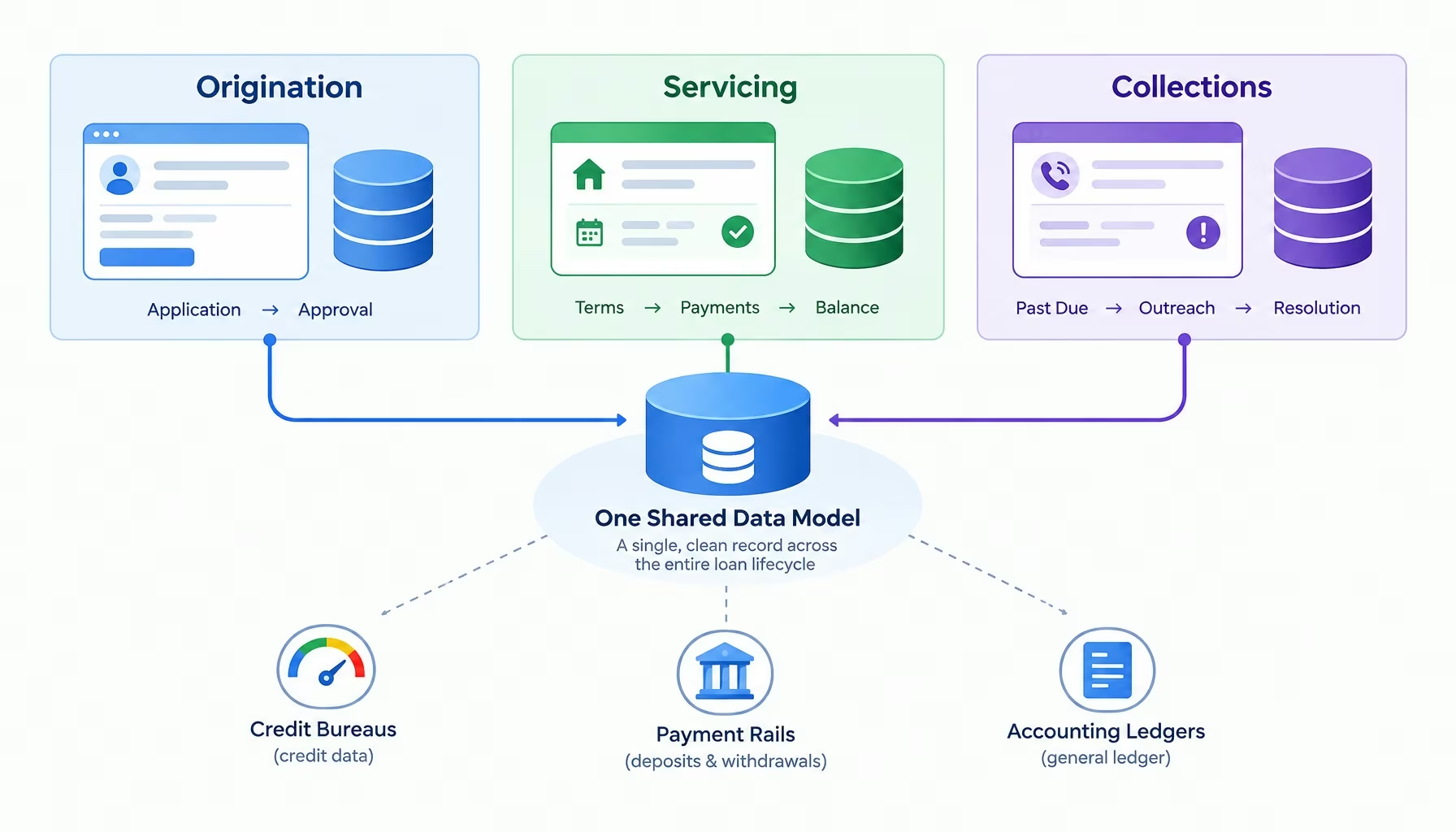
Flat editorial illustration: A technology-editorial comparison of disconnected origination, servicing, and collections records dr
The Data Reconciliation Problem Inside Disconnected Lending Systems
Big Data Exclusive Fintech
Flat editorial illustration: The article connects AI and marketing analytics with managerial judgment grounded in consumer behavi
How an Online MBA in Marketing Connects AI and Data Analytics
Analytics Artificial Intelligence Big Data Exclusive

Stay Connected

1.2KFollowersLike
33.7KFollowersFollow
222FollowersPin

SmartData Collective is one of the largest & trusted community covering technical content about Big Data, BI, Cloud, Analytics, Artificial Intelligence, IoT & more.

Artificial Intelligence for eCommerce: A Closer Look
Artificial Intelligence
From Bolts to Bots: How AI Is Fortifying the Automotive Industry
Artificial Intelligence

Quick Link

  • About
  • Contact
  • Privacy
Follow US
© 2008-26 SmartData Collective. All Rights Reserved.
Welcome Back!

Sign in to your account

Username or Email Address
Password

Lost your password?