Cookies help us display personalized product recommendations and ensure you have great shopping experience.

By using this site, you agree to the Privacy Policy and Terms of Use.
Accept
SmartData CollectiveSmartData Collective
  • Analytics
    AnalyticsShow More
    unusual trading activity
    Signal Or Noise? A Decision Tree For Evaluating Unusual Trading Activity
    3 Min Read
    software developer using ai
    How Data Analytics Helps Developers Deliver Better Tech Services
    8 Min Read
    ai for stock trading
    Can Data Analytics Help Investors Outperform Warren Buffett
    9 Min Read
    media monitoring
    Signals In The Noise: Using Media Monitoring To Manage Negative Publicity
    5 Min Read
    data analytics
    How Data Analytics Can Help You Construct A Financial Weather Map
    4 Min Read
  • Big Data
  • BI
  • Exclusive
  • IT
  • Marketing
  • Software
Search
© 2008-25 SmartData Collective. All Rights Reserved.
Reading: What Every Business Owner Needs to Know About Data Sovereignty
Share
Notification
Font ResizerAa
SmartData CollectiveSmartData Collective
Font ResizerAa
Search
  • About
  • Help
  • Privacy
Follow US
© 2008-23 SmartData Collective. All Rights Reserved.
SmartData Collective > IT > Cloud Computing > What Every Business Owner Needs to Know About Data Sovereignty
Cloud ComputingITSecurity

What Every Business Owner Needs to Know About Data Sovereignty

ajaypatel
ajaypatel
5 Min Read
data sovereignty
SHARE

data sovereigntySovereignty isn’t usually the first word that comes to mind when thinking about data. With all the recent data fiascos, privacy is what’s at the forefront of most consumers’ minds. But data sovereignty relates to data privacy, and businesses need to understand this concept when choosing where they store their digital information.

data sovereigntySovereignty isn’t usually the first word that comes to mind when thinking about data. With all the recent data fiascos, privacy is what’s at the forefront of most consumers’ minds. But data sovereignty relates to data privacy, and businesses need to understand this concept when choosing where they store their digital information.

Unfortunately, the laws and regulations protecting digital information can be extremely complex. They are dependent on different governments and jurisdictions, and data stored in certain countries may or may not be subject to subpoena by another country’s government (or even the host country’s government).

As an IT professional, you’re likely responsible for ensuring that your company’s data is fully protected. However, you need to provide your business’s owner with the basics to enable him or her to make the best decisions for the company — and the valuable data it possesses. For those who don’t work with technology all day, however, the variables can be overwhelming.

More Read

Data = Opportunity: But Are You Monetizing Information?
Technology Change Reaps Rewards
3 Secrets of a Successful Business Intelligence Strategy
Big Data Unlocks Key to Age Old Challenges Businesses Face
Can Big Data and Hadoop Feed the World?

To give your CEO or company’s owner the most essential information, you need to:
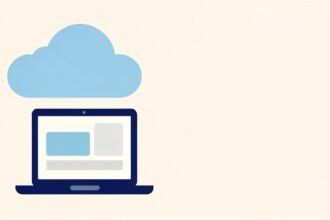
 1. Understand the laws and regulations associated with data protection. In certain jurisdictions, governments can seize data otherwise protected in other jurisdictions. For example, America’s Patriot Act led some cloud users to avoid data centers on U.S. soil for fear that law enforcement could attempt to intercept their communications. 

In some countries, data sovereignty extends beyond the host jurisdiction. Some data centers outside the U.S. may fall under the Patriot Act’s purview if the cloud provider is owned by a U.S. company. For instance, in 2014, U.S. Magistrate Judge James Francis ordered Microsoft to release information from its Dublin data center.

The same issues may be true for U.K.-owned cloud providers, due to the Regulation of Investigatory Powers Act. However, many analysts believe these concerns are inflated.

2. Host data outside of the United States. Using cloud providers outside the U.S. is especially important for non-U.S. companies — particularly those in highly regulated industries such as law or finance. When your information isn’t secure, you risk losing business and damaging your reputation.

But even if data is stored locally, it’s potentially vulnerable to surveillance by the U.S. government under Judge Francis’ ruling. Choosing a non-U.S. cloud provider is the only way for non-U.S. cloud users to guarantee that their data remains private and secure.

3. Opt for private cloud services. When using certain public cloud-based services, you have no control over where the company stores data. Plus, these companies may be providing the U.S. government with simplified access to data upon request, regardless of the host location.  

When it comes to your company’s data, information is power. It’s up to you to protect your customers’ interests by knowing everything you can about your cloud provider — and it’s up to you to educate your CEO so you can jointly make the best decisions for the people who trust you with their data.

If you’re not sure where a provider houses its data, you must do your own research and investigate the host country’s data protection laws. It’s the only way to protect your company’s reputation and ensure that your customers’ information remains private.

Correction and editor’s note, 11/17/2014 2:59PM: An earlier version of this article incorrectly stated that when using Amazon Web Services, “you have no control over where the company stores data. Plus, these companies may be providing the U.S. government with simplified access to data upon request, regardless of the host location.” This information was inaccurate and we regret the error. For information on AWS security measures, please visit http://aws.amazon.com/security/.

Share This Article
Facebook Pinterest LinkedIn
Share

Follow us on Facebook

Latest News

business recovering from data loss
How Data-Driven Businesses Protect MySQL Databases from Shutdown
Big Data Exclusive
ai driven task management
Reducing “Work About Work” with AI Task Managers
Artificial Intelligence Exclusive
data center uptime
Why Rodent-Resistant Conduits Are Critical for Data Center Uptime
Big Data Data Management Exclusive Risk Management
big data and AI
The Intersection of Big Data and AI in Project Management
Artificial Intelligence Big Data Exclusive

Stay Connected

1.2KFollowersLike
33.7KFollowersFollow
222FollowersPin

You Might also Like

Are Video Streams Overflowing, And Will You Pay For It?

6 Min Read
hadoop
Big DataBusiness IntelligenceCloud ComputingData MiningData WarehousingHadoopITMapReduceOpen Source

Hadoop Toolbox: When to Use What

11 Min Read
types of data masking
Big DataExclusiveSecurity

Your Guide To Understanding Various Types of Data Masking

4 Min Read
GDPR and security
Best PracticesBig DataData ManagementExclusiveInternet of ThingsPolicy and GovernancePrivacySecurity

GDPR Fines, Ransomware, and Cybersecurity: What You Need To Know

9 Min Read

SmartData Collective is one of the largest & trusted community covering technical content about Big Data, BI, Cloud, Analytics, Artificial Intelligence, IoT & more.

data-driven web design
5 Great Tips for Using Data Analytics for Website UX
Big Data
ai is improving the safety of cars
From Bolts to Bots: How AI Is Fortifying the Automotive Industry
Artificial Intelligence

Quick Link

  • About
  • Contact
  • Privacy
Follow US
© 2008-25 SmartData Collective. All Rights Reserved.
Welcome Back!

Sign in to your account

Username or Email Address
Password

Lost your password?