
We use cookies, including third-party cookies from Google to serve personalized ads through AdSense, to operate this site and understand how it is used. By continuing to browse, you accept this use. See our Privacy Policy and Terms of Use for details, including how to opt out of personalized advertising.
Accept
SmartData CollectiveSmartData Collective
  • Analytics
    AnalyticsShow More
    What Kind of Problem-Solving Distinguishes Data Analysts From Software Engineers -- AI-generated illustration
    What Kind of Problem-Solving Distinguishes Data Analysts From Software Engineers
    7 Min Read
    chatgpt image jul 21, 2026, 04 34 30 pm
    4 Core Benefits of Predictive Maintenance after Vibration Analysis
    10 Min Read
    How Does Data Mining Boost Customer Satisfaction in Logistics? Harnessing Analytics for Results -- AI-generated illustration
    How Does Data Mining Boost Customer Satisfaction in Logistics? Harnessing Analytics for Results
    11 Min Read
    chatgpt image jul 13, 2026, 04 23 45 pm
    How Data Analytics Helps Companies Improve User Engagement
    19 Min Read
    chatgpt image jul 13, 2026, 03 59 46 pm
    How Data Analytics Improves Multi-Location Search Strategies
    10 Min Read
  • Big Data
  • BI
  • Exclusive
  • IT
  • Marketing
  • Software
Search
© 2008-25 SmartData Collective. All Rights Reserved.
Reading: Are There Alternatives to Data Hoarding?
Share
Notification
Font ResizerAa
SmartData CollectiveSmartData Collective
Font ResizerAa
Search
  • About
  • Help
  • Privacy
Follow US
© 2008-23 SmartData Collective. All Rights Reserved.
SmartData Collective > Data Management > Are There Alternatives to Data Hoarding?
Data Management

Are There Alternatives to Data Hoarding?

MIKE20
MIKE20
4 Min Read
Are There Alternatives to Data Hoarding?
Illustration generated with Qwen Image.
SHARE

“In a microsecond economy,” Becca Lipman recently blogged, “most data is only useful in the first few milliseconds, or to an extent, hours after it is created.

Contents
  • Does this data smell bad to you?
  • What about regulatory compliance?
  • How useful would data from this source be?
  • What Say You?

“In a microsecond economy,” Becca Lipman recently blogged, “most data is only useful in the first few milliseconds, or to an extent, hours after it is created. But the way the industry is collecting data, or more accurately, hoarding it, you’d think its value lasts a lifetime. Yes, storage costs are going down and selecting data to delete is no easy task, especially for the unstructured and unclassified sets. And fear of deleting something that could one day be useful is always going to be a concern. But does this give firms the go-ahead to be data hoarders?”

Whether we choose to measure it in terabytes, petabytes, exabytes, HoardaBytes, or how harshly reality bites, we have been hoarding data long before the data management industry took a super-sized tip from McDonald’s and put the word “big” in front of its signature sandwich. At least McDonald’s starting phasing out their super-sized menu options in 2004, stating the need to offer healthier food choices, a move that was perhaps motivated in some small way by the success of Morgan Spurlock’s Academy Award Nominated documentary film Super Size Me.

Much like fast food is an enabler for our chronic overeating and the growing epidemic of obesity, big data is an enabler for our data hoarding compulsion and the growing epidemic of data obesity.

More Read

Big Data Analytics, Business Intelligence and the Mind of Sherlock Holmes
Five Steps to Successfully Manage Multiple Data Platforms
Control Business Costs with Workforce Analytics
10 Helpful Ways To Ensure Data Centric Cybersecurity
How Big Data is Aiding in Disaster Relief

Does this data smell bad to you?

Are there alternatives to data hoarding? Perhaps we could put an expiration date on data, which after it has been passed we could at least archive, if not delete, the expired data. One challenge with this approach is that with most data you can not say exactly when it will expire. Even if we could, however, expiration dates for data might be as meaningless as the expiration dates we currently have for food.

As Rose Eveleth reported, “these dates are—essentially—made up. Nobody regulates how long milk or cheese or bread stays good, so companies can essentially print whatever date they want on their products.” Eveleth shared links to many sources that basically recommended ignoring the dates and relying on seeing if the food looks or smells bad.

What about regulatory compliance?

Another enabler of data hoarding is concerns about complying with future regulations. This is somewhat analogous to income tax preparation in the United States where many people hoard boxes of receipts for everything in hopes of using them to itemize their tax deductions. Even though most of the contents are deemed irrelevant when filing an official tax return, some people still store the boxes in their attic just in case of a future tax audit.

How useful would data from this source be?

Although calculating the half-life of data has always been problematic, Larry Hardesty recently reported on a new algorithm developed by MIT graduate student Dan Levine and his advisor Jonathan How. By using the algorithm, Levine explained, “the usefulness of data can be assessed before the data itself becomes available.” Similar algorithms might be the best future alternative to data hoarding, especially when you realize that the “keep it just in case we need it” theory often later faces the “we can’t find it amongst all the stuff we kept” reality.

What Say You?

Have you found alternatives to data hoarding? Please share your thoughts by leaving a comment below.


Share This Article
Facebook Pinterest LinkedIn
Share

Follow us on Facebook

Latest News

Flat editorial illustration: The article is about replacing informal co-located management with deliberate asynchronous workflows
Managing a Software Development Dedicated Team Across Time Zones
Development Exclusive Software
Technical architecture diagram and decision framework for wikipedia editing services and ai training data: why llms still treat wikipedia as a source of truth
Wikipedia Editing Services and AI Training Data: Why LLMs Still Treat Wikipedia as a Source of Truth
Artificial Intelligence Exclusive
Flat editorial illustration: The article connects fragmented social-service records through shared pathways and selective informa
Turning Disconnected Information Data Into Better Social Service Outcomes
Big Data
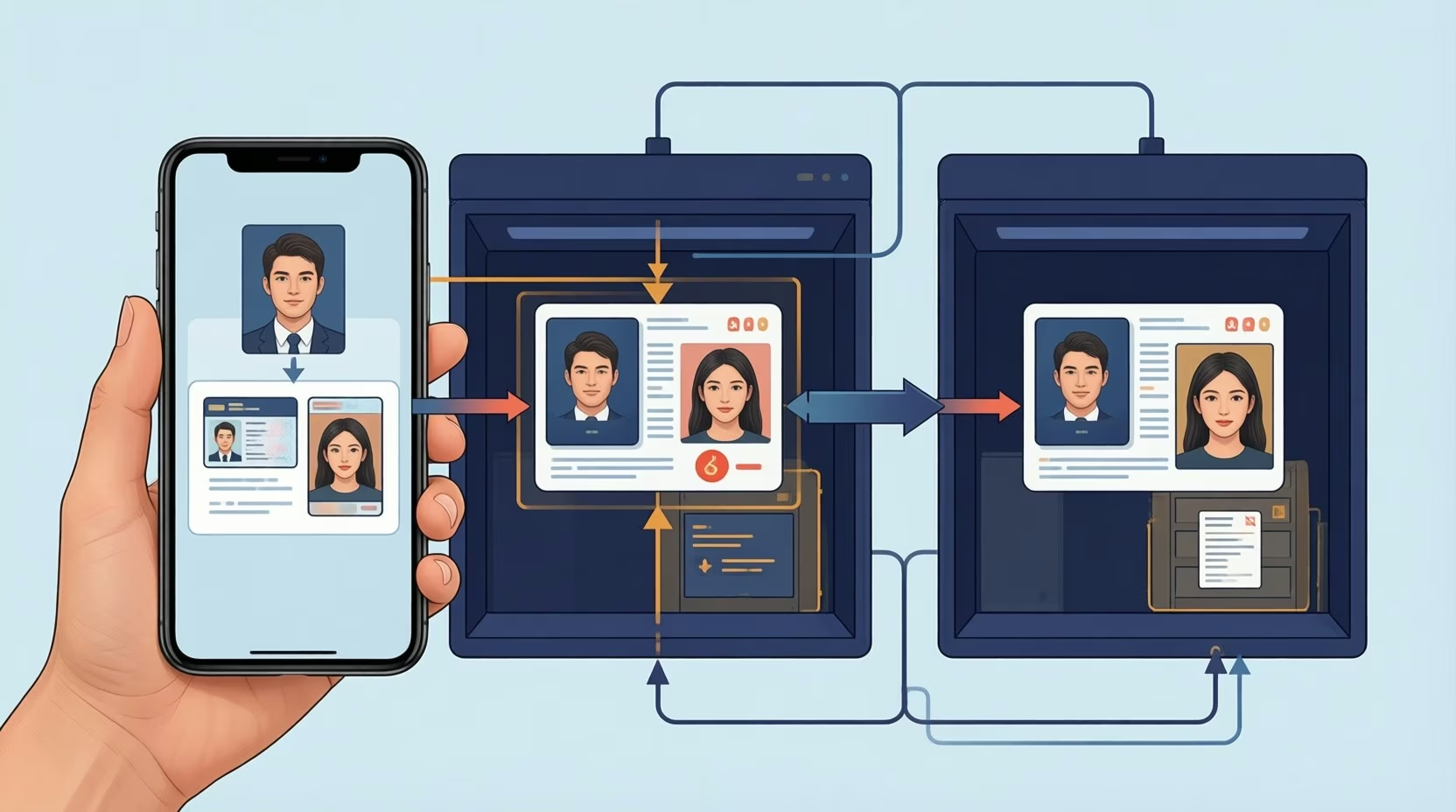
Flat editorial illustration: The article explains how one KYC upload becomes separate records held by a verification vendor and a
What Happens to My KYC Data Behind the Approval Screen?
Big Data Exclusive

Stay Connected

1.2KFollowersLike
33.7KFollowersFollow
222FollowersPin

You Might also Like

Geospatial Data Brings Value Across Industries
Data ManagementExclusive

Geospatial Data Brings Value Across Industries

6 Min Read
Want to Get Certified in Data Mining?
Culture/LeadershipData MiningJobs

Want to Get Certified in Data Mining?

14 Min Read
Data Governance: Managing Data as an Asset
Big DataBusiness RulesData ManagementData QualityPolicy and Governance

Data Governance: Managing Data as an Asset

5 Min Read
Metric-Driven Agile for Big Data
AnalyticsBig DataBusiness IntelligenceData ManagementInside CompaniesWeb Analytics

Metric-Driven Agile for Big Data

5 Min Read

SmartData Collective is one of the largest & trusted community covering technical content about Big Data, BI, Cloud, Analytics, Artificial Intelligence, IoT & more.

How To Get An Award Winning Giveaway Bot
Big Data Chatbots Exclusive
Artificial Intelligence for eCommerce: A Closer Look
Artificial Intelligence

Quick Link

  • About
  • Contact
  • Privacy
Follow US
© 2008-26 SmartData Collective. All Rights Reserved.
Welcome Back!

Sign in to your account

Username or Email Address
Password

Lost your password?