Cookies help us display personalized product recommendations and ensure you have great shopping experience.

By using this site, you agree to the Privacy Policy and Terms of Use.
Accept
SmartData CollectiveSmartData Collective
  • Analytics
    AnalyticsShow More
    data analytics
    How Data Analytics Can Help You Construct A Financial Weather Map
    4 Min Read
    financial analytics
    Financial Analytics Shows The Hidden Cost Of Not Switching Systems
    4 Min Read
    warehouse accidents
    Data Analytics and the Future of Warehouse Safety
    10 Min Read
    stock investing and data analytics
    How Data Analytics Supports Smarter Stock Trading Strategies
    4 Min Read
    predictive analytics risk management
    How Predictive Analytics Is Redefining Risk Management Across Industries
    7 Min Read
  • Big Data
  • BI
  • Exclusive
  • IT
  • Marketing
  • Software
Search
© 2008-25 SmartData Collective. All Rights Reserved.
Reading: Governmental IT: Analytics is not a dirty word
Share
Notification
Font ResizerAa
SmartData CollectiveSmartData Collective
Font ResizerAa
Search
  • About
  • Help
  • Privacy
Follow US
© 2008-23 SmartData Collective. All Rights Reserved.
SmartData Collective > Big Data > Data Mining > Governmental IT: Analytics is not a dirty word
Data Mining

Governmental IT: Analytics is not a dirty word

TheodoreOmtzigt
TheodoreOmtzigt
4 Min Read
SHARE

Over at Smart Data Collective, Bill Cooper wrote a wonderful article on deep analytics. In particular, I liked his assessment on the resistance expressed by customers that can’t see the forest for the trees.

I’ve watched many government agencies balk at the idea of data mining and complex analytics. They are concerned about switching to a new data architecture and the potential risks involved in implementing a new solution or making a change in methodology.

Having been there, I do understand their concerns, but fear of change is what’s holding government agencies back from being able to fully leverage the data that already exists to effect change at the local, regional, state and national levels. Analytics are the key to lowering costs, increasing revenue and streamlining government programs.

In my own government experience and now, looking at it from the other side, I have come to believe that government clients need to think about data the way the world’s top corporations do. Like all federal agencies, these companies already had huge repositories of data that were never analyzed – never used to support decisions, plan strategies or take immediate actions. Once they began to treat …


Over at Smart Data Collective, Bill Cooper wrote a wonderful article on deep analytics. In particular, I liked his assessment on the resistance expressed by customers that can’t see the forest for the trees.

More Read

More on the Proposed Stimulus Package from IBM’s CEO
Solve Data Issues with Cloud Database Management Systems
Calculate the Value of Your Facebook Page
In Search of Actionable Insights from Social Media Data
DIALOG The roadmap

I’ve watched many government agencies balk at the idea of data mining and complex analytics. They are concerned about switching to a new data architecture and the potential risks involved in implementing a new solution or making a change in methodology.

Having been there, I do understand their concerns, but fear of change is what’s holding government agencies back from being able to fully leverage the data that already exists to effect change at the local, regional, state and national levels. Analytics are the key to lowering costs, increasing revenue and streamlining government programs.

In my own government experience and now, looking at it from the other side, I have come to believe that government clients need to think about data the way the world’s top corporations do. Like all federal agencies, these companies already had huge repositories of data that were never analyzed – never used to support decisions, plan strategies or take immediate actions. Once they began to treat that data as a corporate asset, they started to see real results. The best part is that leveraging these mountains of data does not require a “rip and replace” approach. Inserting a data warehousing/data mining or complex analytics capability into a SOA or cloud computing environment can be very low risk and even elegant in its implementation. The potential rewards are immense!

That’s what’s needed in the government sector. We need to view analytics not as a dirty word but as a secret weapon against fraud and other challenges impacting all areas of the government sector.

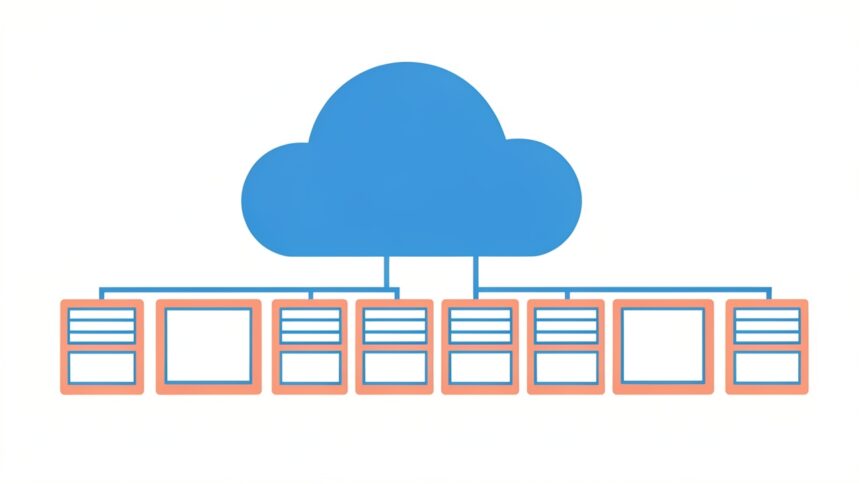
I am a big believer that the future of the cloud consists of federated systems for the simple reason that large data sets are captive to their storage devices. Federated systems makes service oriented architectures (SOA) a natural architecture pattern to collate information. The fact that Google Gears and Microsoft Azure exhibit SOA at different levels of abstraction is clear evidence of the power of SOA. Add coarse grain SOAs to these fine-grained patterns and you can support federation and scale internal IT systems even if the core runs in Gears or Azure.


Link to original post

TAGGED:cloud computingmicrosoft azureservice oriented architectures
Share This Article
Facebook Pinterest LinkedIn
Share

Follow us on Facebook

Latest News

protecting patient data
How to Protect Psychotherapy Data in a Digital Practice
Big Data Exclusive Security
data analytics
How Data Analytics Can Help You Construct A Financial Weather Map
Analytics Exclusive Infographic
AI use in payment methods
AI Shows How Payment Delays Disrupt Your Business
Artificial Intelligence Exclusive Infographic
financial analytics
Financial Analytics Shows The Hidden Cost Of Not Switching Systems
Analytics Exclusive Infographic

Stay Connected

1.2KFollowersLike
33.7KFollowersFollow
222FollowersPin

You Might also Like

big data tools including analytics and cloud computing
AnalyticsBig DataBusiness IntelligenceCloud ComputingData CollectionExclusive

Data Shortcuts So You Can Spend More Time Managing Your Business

5 Min Read
cloud computing
Cloud Computing

7 Common Challenges Companies Face While Migrating to the Cloud

5 Min Read
cloud technology in education
IT

How Cloud Technology Can Be Integrating in Schools

10 Min Read

SAIC and Zementis to bring “smarts” to the Smart Grid

6 Min Read

SmartData Collective is one of the largest & trusted community covering technical content about Big Data, BI, Cloud, Analytics, Artificial Intelligence, IoT & more.

AI and chatbots
Chatbots and SEO: How Can Chatbots Improve Your SEO Ranking?
Artificial Intelligence Chatbots Exclusive
ai chatbot
The Art of Conversation: Enhancing Chatbots with Advanced AI Prompts
Chatbots

Quick Link

  • About
  • Contact
  • Privacy
Follow US
© 2008-25 SmartData Collective. All Rights Reserved.
Go to mobile version
Welcome Back!

Sign in to your account

Username or Email Address
Password

Lost your password?