
We use cookies, including third-party cookies from Google to serve personalized ads through AdSense, to operate this site and understand how it is used. By continuing to browse, you accept this use. See our Privacy Policy and Terms of Use for details, including how to opt out of personalized advertising.
Accept
SmartData CollectiveSmartData Collective
  • Analytics
    AnalyticsShow More
    What Kind of Problem-Solving Distinguishes Data Analysts From Software Engineers -- AI-generated illustration
    What Kind of Problem-Solving Distinguishes Data Analysts From Software Engineers
    7 Min Read
    chatgpt image jul 21, 2026, 04 34 30 pm
    4 Core Benefits of Predictive Maintenance after Vibration Analysis
    10 Min Read
    How Does Data Mining Boost Customer Satisfaction in Logistics? Harnessing Analytics for Results -- AI-generated illustration
    How Does Data Mining Boost Customer Satisfaction in Logistics? Harnessing Analytics for Results
    11 Min Read
    chatgpt image jul 13, 2026, 04 23 45 pm
    How Data Analytics Helps Companies Improve User Engagement
    19 Min Read
    chatgpt image jul 13, 2026, 03 59 46 pm
    How Data Analytics Improves Multi-Location Search Strategies
    10 Min Read
  • Big Data
  • BI
  • Exclusive
  • IT
  • Marketing
  • Software
Search
© 2008-25 SmartData Collective. All Rights Reserved.
Reading: Responding to a Data Breach Starts at the Top
Share
Notification
Font ResizerAa
SmartData CollectiveSmartData Collective
Font ResizerAa
Search
  • About
  • Help
  • Privacy
Follow US
© 2008-23 SmartData Collective. All Rights Reserved.
SmartData Collective > Data Management > Best Practices > Responding to a Data Breach Starts at the Top
Best PracticesData ManagementData WarehousingPrivacy

Responding to a Data Breach Starts at the Top

Ryan Ayers
Ryan Ayers
6 Min Read
Image
SHARE

Image

Image

Leadership is always evolving in response to new challenges in the modern workforce. One of these challenges, cyberattacks, are a growing issue that cost businesses millions. In fact, IBM’s 2016 report shows that the average cost of a data breach is $4 million, a significant sum for many companies. There’s a lot more at stake than money, however. Data breaches can tarnish a company’s reputation, making it very difficult to win back customer loyalty and support. A leader’s response to a data breach can mean the difference between damage control and total chaos.

It Can Happen to Anyone

More Read

Top Four Reasons Financial Services Companies Need Solid Data Governance
How Hospital Security Breaches Devastate Local Communities
Putting SharePoint Genie Back into the Bottle
Selecting the Right Self-Service Data Preparation Offering for Your Business
Business Intelligence: How to Make Your Workplace Perform Smarter

The first thing every leader should remember is that a data breach can happen to anyone. As globalization continues, breaches are becoming an even greater problem. Target, LivingSocial, Facebook, and other prominent companies have been the victims of clever cybercrime. It’s easy to think that a data breach is the kind of thing that happens to other companies—until it happens to you. No security system is completely un-hackable, and every company needs to have a breach response plan in addition to solid cybersecurity. Members of the team should know how to spot signs of an attack—and take that information to leadership immediately.

Handling a Breach Correctly

Good leadership during a crisis like a data breach is key to preserving morale and helping the company move past the incident. Everyone will have different opinions about how to proceed with the legal, financial, and PR aspects of a breach, and leadership’s role is to act as the guiding force to prioritize and help the business recover. There are certain steps to this process:

Step 1: Communicate, Communicate, Communicate

Leaders need to respond immediately following the data breach and prioritize communication. Internally, this means involving all departments in damage control and response protocols. Open and honest communication will mobilize the whole team and give leadership tools for responding to the crisis. External communication should also begin as quickly as possible. It is much better for news of a breach to reach customers and the media through the company’s own channels, rather than an outside source.

Step 2: Map out Important Values

There are many different directions to take the decisions that must be made following a breach. What relationships and resources are most critical to the business? Will lost reputation with consumers threaten to ruin the business? Will the costs of a data breach ruin growth potential? Prioritize based on the company values and current worst case scenario.

Step 3: Get the Whole Picture

A data breach is an extremely complex problem, and leaders need to be aware of every angle affecting the issue. Writing down all the possible consequences and considerations helps leadership gain awareness of secondary crises that can arise following a breach.

Step 4: Be Prepared to Pivot

Not everything will go according to plan, and leaders may need to change their strategy throughout the crisis. New information may come to light, ideas on how to make amends may prove impractical, and any number of other surprises can come along. It’s always best to consider some contingency plans, just in case.

Step 5: Prevent

This should go without saying, but companies who have been breached will need to do a serious investigation into the source of the breach. Once the hack has been identified, additional security measures should be put in place to prevent future attacks.

High-Profile Data Breaches

The healthcare industry has been faced with many security breaches in recent years, and many sensitive health records have been accessed illegally. However, one of the most visible breaches in recent years was the attack on Target, compromising more than 40 million customers’ payment information. The CEO took responsibility for the breach, was open, honest, and on message during an interview following the attack. He acknowledged that the company had been slow to respond, and promised to make it right. Shoppers didn’t run—Target gained enough goodwill from the response to retain many of their customers. This example shows that leaders can help mitigate a breach by communicating with clients and rebuilding the trust lost during a breach.

Turning a Bad Situation Around

There’s no way around it: data breaches are bad for business. No leader wants to have to step up and take responsibility during a security crisis. However, responding quickly and appropriately can help the company recover, and help prevent future problems. Employees look to the top in times of crisis, and it’s important for leadership to rise to the occasion. 


Top Image Source: HowToStartABlogOnline.net


Share This Article
Facebook Pinterest LinkedIn
Share
ByRyan Ayers
Follow:
Ryan Ayers has consulted a number of Fortune 500 companies within multiple industries including information technology and big data. After earning his MBA in 2010, Ayers also began working with start-up companies and aspiring entrepreneurs, with a keen focus on data collection and analysis.

Follow us on Facebook

Latest News

Flat editorial illustration: The article’s core relationship is between growing compute density and adaptable rack hardware that
6 Details That Make a Data Centre’s Server Room Easier to Scale
Best Practices Data Management Exclusive IT
Flat editorial illustration: The article’s core relationship is a transfer of discipline from regulated laboratories to analytics
What Business Intelligence Teams Can Learn from Lab Data Governance
Business Intelligence Exclusive
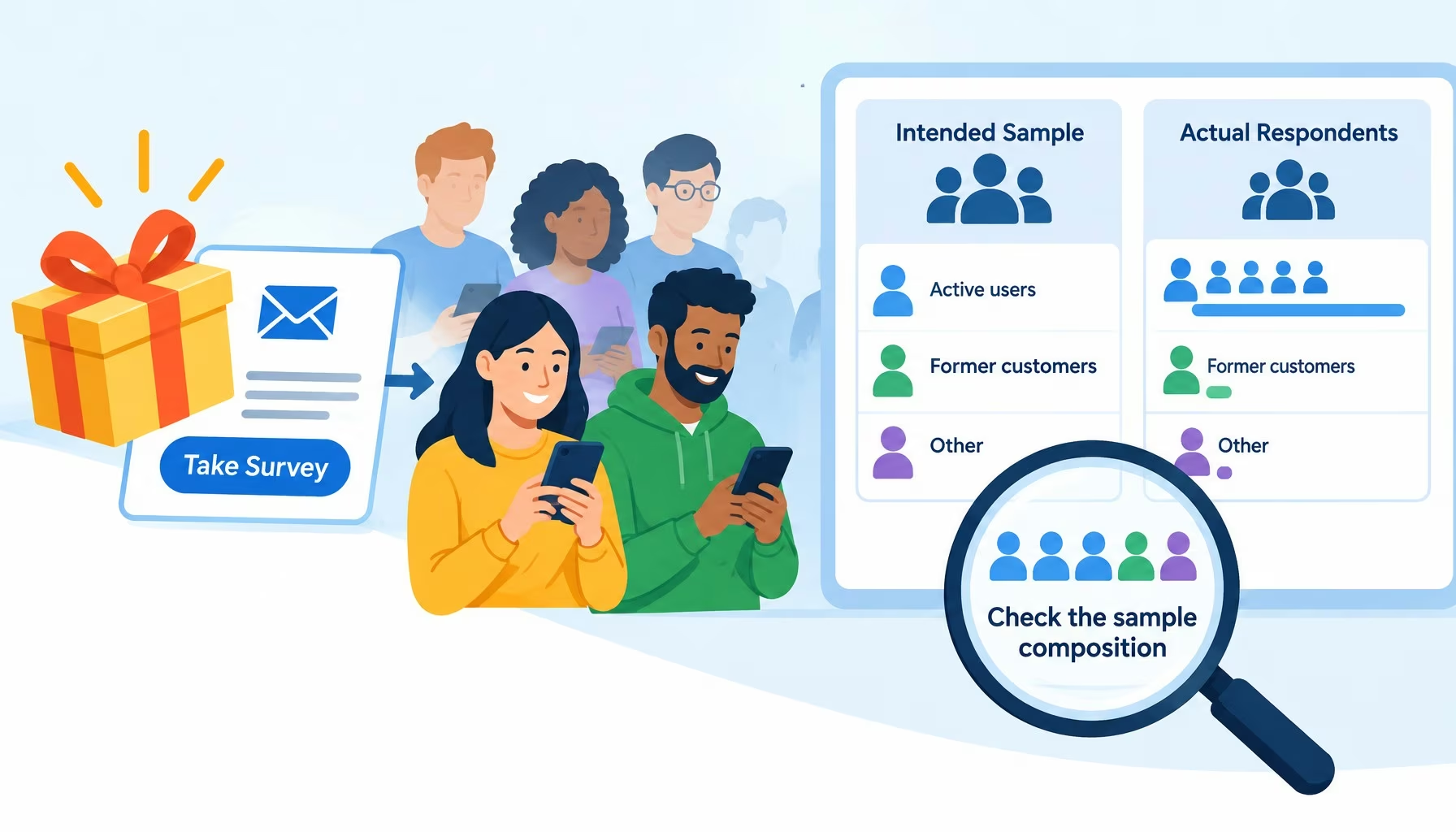
Flat editorial illustration: A guaranteed reward can raise participation while skewing the respondent pool toward active customer
Incentive-Driven Response Bias: Auditing Sample Composition Before You Trust Survey Data
Big Data Data Quality Exclusive
Flat editorial illustration: The article’s core relationship is observable blockchain activity becoming a trustworthy business me
Blockchain Dashboards Need Better Definitions, Not More Charts
Blockchain Exclusive

Stay Connected

1.2KFollowersLike
33.7KFollowersFollow
222FollowersPin

You Might also Like

SAP's New Fraud Management Analytical Application
AnalyticsBest PracticesBusiness IntelligenceCulture/LeadershipData ManagementInside CompaniesITPrivacySecuritySoftware

SAP’s New Fraud Management Analytical Application

12 Min Read
Hadoop Toolbox: When to Use What
Big DataBusiness IntelligenceCloud ComputingData MiningData WarehousingHadoopITMapReduceOpen Source

Hadoop Toolbox: When to Use What

11 Min Read
data access for engineers
Big Data

How The Explosive Growth Of Data Access Affects Your Engineer’s Team Efficiency

11 Min Read
How Data-Driven Marketing Can Help You to Create the Best Customer Experience [INFOGRAPHIC]
Data Management

How Data-Driven Marketing Can Help You to Create the Best Customer Experience [INFOGRAPHIC]

3 Min Read

SmartData Collective is one of the largest & trusted community covering technical content about Big Data, BI, Cloud, Analytics, Artificial Intelligence, IoT & more.

How To Get An Award Winning Giveaway Bot
Big Data Chatbots Exclusive
ai chatbot
How AI Website Chatbots Improve Customer Support and Lead Generation
Chatbots Exclusive

Quick Link

  • About
  • Contact
  • Privacy
Follow US
© 2008-26 SmartData Collective. All Rights Reserved.
Welcome Back!

Sign in to your account

Username or Email Address
Password

Lost your password?