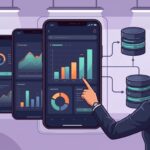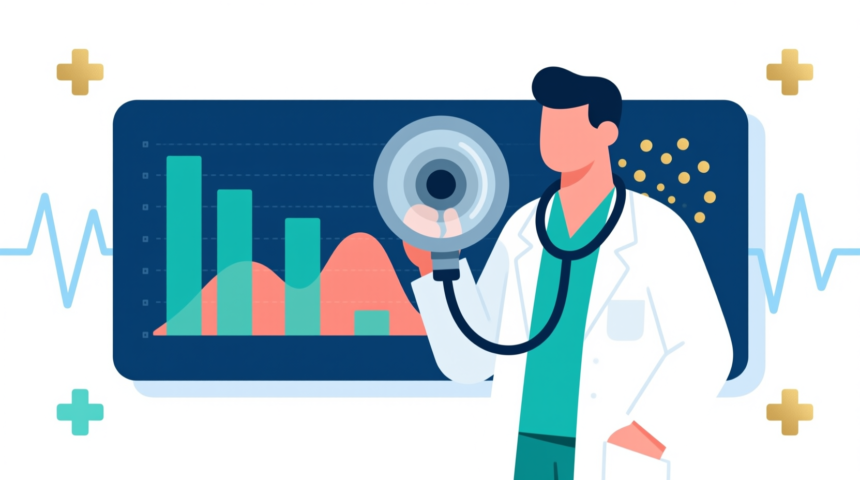
Big data and data analysis are starting to reshape our world, but one of their most important applications is in the realm of healthcare. With the right data science and tools, scientists and healthcare providers can work together to provide better quality care to patients around the world—and save millions of lives in the process.
But this change won’t happen in a vacuum, nor will it happen instantly, like a light switch turning on. Instead, we need to be prepared for some dramatic changes in the healthcare world, including the skillsets we require of doctors, nurses, and healthcare staff.
The Role of Data in Healthcare
To start, we need to understand how big data could influence the world of healthcare:
More Read
- Training. First, we’ll see a revolution in training and education. Right now, medical professionals are already using devices like manikins and trained actors to simulate real-world scenarios. With more data, those simulations could become even more realistic, based on actual cases, and may be able to give feedback in real-time.
- Diagnosis. One of the most conceivable uses for big data is its use in diagnosis. Some conditions and ailments are notoriously difficult to accurately diagnose; they may share key characteristics with other conditions, or be hard to detect. Better data analysis could allow doctors to make more effective, accurate diagnoses (and make them faster, too).
- Predictive analytics. Another big area is predictive analytics. With enough patient data to crunch, an effective predictive system could be able to gauge a person’s predisposition to develop certain conditions. For example, using data like genetics, history, and current health, a system may be able to forecast your chances of developing skin cancer.
- Personalized care. After diagnosis or prediction of an ailment, data could also be used to give patients more personalized care. Rather than going with a one-size-fits-all approach, doctors and data scientists would be able to draw on millions of data points to come up with the right blend of therapies, prescriptions, surgeries, and/or support for each individual
- Security. The healthcare world is also in the midst of a cybersecurity crisis. Hospitals and other healthcare organizations are frequently the targets of cyberattacks, due to the sensitive, valuable nature of patient data. Better data practices could help the industry afford better security and privacy for its patients.
Merging the Silos
Today’s model for big data analytics in healthcare is highly segmented. Data scientists and data analysts work to create tools and models that doctors and other medical professionals can use in their daily practice. And for now, it works fine, but eventually, we’re going to need to merge those two silos.
Data science is a recursive process; you need to be close to the problem you’re solving if you want to solve it, and you need to know how your innovations are working, in real-time, so you can come up with better ideas for improvements. Conversely, doctors would be able to apply data-based tools and policies if they knew more about how they worked and how they’d be best applied.
The result would, ideally, be a hybridization of both realms of expertise. Doctors would need to study the best ways to collect, analyze, and apply data (learning and possibly building the tools necessary for the job), and data scientists would need to delve deeper into the realms of medicine and healthcare. Eventually, new roles would open up in the middle of these two areas.
The Problems
Of course, there are some problems with this vision of the future. The biggest would be the new training requirements for doctors and medical staff; already, we’re facing a talent shortage of massive proportions in the world of healthcare. If we force medical professionals to undergo even more rigorous training, and incorporate knowledge from even more diverse disciplines, it could dissuade even more people from this career path.
There’s also the question of public perception. Demonstrably, even our current algorithms are often better than experienced human doctors at diagnosing conditions like cancer. But will people be ready to accept the fate of their health based on what a data scientist is saying?It may be years, or even decades before our healthcare systems are able to meet big data with the tools, training, and roles necessary to best serve the general population. But we need to start thinking about this progression now if we’re going to be prepared for it.