We use cookies, including third-party cookies from Google to serve personalized ads through AdSense, to operate this site and understand how it is used. By continuing to browse, you accept this use. See our Privacy Policy and Terms of Use for details, including how to opt out of personalized advertising.
Accept
SmartData CollectiveSmartData Collective
  • Analytics
    AnalyticsShow More
    chatgpt image jul 21, 2026, 04 34 30 pm
    4 Core Benefits of Predictive Maintenance after Vibration Analysis
    10 Min Read
    How Does Data Mining Boost Customer Satisfaction in Logistics? Harnessing Analytics for Results -- AI-generated illustration
    How Does Data Mining Boost Customer Satisfaction in Logistics? Harnessing Analytics for Results
    11 Min Read
    chatgpt image jul 13, 2026, 04 23 45 pm
    How Data Analytics Helps Companies Improve User Engagement
    19 Min Read
    chatgpt image jul 13, 2026, 03 59 46 pm
    How Data Analytics Improves Multi-Location Search Strategies
    10 Min Read
    cybersecurity efforts
    How Behavioral Analytics and AI Are Redefining Cybersecurity for Boca Raton Businesses
    14 Min Read
  • Big Data
  • BI
  • Exclusive
  • IT
  • Marketing
  • Software
Search
© 2008-25 SmartData Collective. All Rights Reserved.
Reading: Top Challenges Of Product Warehousing In The Age Of Big Data
Share
Notification
Font ResizerAa
SmartData CollectiveSmartData Collective
Font ResizerAa
Search
  • About
  • Help
  • Privacy
Follow US
© 2008-23 SmartData Collective. All Rights Reserved.
SmartData Collective > Big Data > Top Challenges Of Product Warehousing In The Age Of Big Data
Big DataExclusive

Top Challenges Of Product Warehousing In The Age Of Big Data

From storage to smart: Solving the top challenges of managing a data-driven product warehouse efficiently.

Megan Ray Nichols
Megan Ray Nichols
4 Min Read
warehousing in the age of big data
photo credit: Microsoft Stock Images
SHARE

Warehousing has transformed from simple storage to a complex node in global supply chains. As product volumes grow and customer expectations tighten, warehouses face pressures that extend far beyond floor space and inventory counts. The integration of big data technologies offers solutions, but it also highlights new challenges that must be addressed to maintain efficiency, accuracy, and profitability.

Contents
  • Inventory Visibility and Accuracy
  • Space Optimization and Layout Efficiency
  • Workforce Management and Training
  • Automation Integration and Equipment Reliability
  • Data Management and Analytics
  • Cybersecurity and System Resilience

Inventory Visibility and Accuracy

A primary challenge in modern warehousing is maintaining accurate inventory visibility. Misplaced or miscounted items create ripple effects across the supply chain. Traditional manual methods cannot keep pace with high SKU counts or rapid turnover. AI-powered inventory management systems provide continuous tracking, using sensors, RFID, and IoT devices to monitor stock levels in real time. These systems feed data into business intelligence platforms, allowing managers to detect discrepancies, predict shortages, and optimize reorder cycles. However, integrating these tools with legacy warehouse management systems can be complex and requires careful planning to ensure data consistency.

Space Optimization and Layout Efficiency

Warehouse real estate is expensive, and underutilized space reduces operational efficiency. Analytics can reveal patterns in product movement, enabling managers to reorganize storage for faster retrieval and minimal congestion. High-demand items can be positioned near packing stations, while seasonal or low-movement goods occupy less accessible areas. AI models can simulate layout scenarios and predict workflow bottlenecks before implementation. Despite these advancements, the physical constraints of existing buildings and retrofitting costs remain significant barriers.

Workforce Management and Training

Even with automation, human labor remains essential in most warehouses. Predicting labor demand, managing shifts, and reducing errors are ongoing challenges. Workforce analytics helps forecast staffing requirements based on historical order data, seasonal trends, and projected sales. Training programs must evolve to equip employees with the skills to interact with automated systems, analyze BI dashboards, and respond to AI-generated insights. Maintaining safety while implementing advanced machinery and robotics also requires careful coordination and continuous monitoring.

More Read

AI-Driven SEO is Becoming Essential for Modern Marketing
2009 Marketing Trends and Thoughts on Web 2.0
Can AI Help You Build Better Business Relationships?
As Vehicles Get Smarter, Cybersecurity Threats Intensify
The 7 Data Mistakes You’re Probably Making

Automation Integration and Equipment Reliability

The adoption of automation, including robotic packaging machinery, introduces both opportunities and challenges. Robotics can increase throughput, reduce error rates, and minimize physical strain on employees. AI-driven controls can adjust operational speed dynamically based on order volume and workflow status. However, integrating automated equipment with existing systems requires alignment of data protocols, predictive maintenance routines, and real-time monitoring. Equipment downtime or misalignment between automated and manual processes can disrupt operations and generate significant costs.

Data Management and Analytics

Warehouses are now data hubs. Sensors, scanners, and operational systems generate massive volumes of information every minute. Transforming this raw data into actionable insights demands strong analytics platforms and BI tools. Data must be clean, structured, and accessible across departments to support decision-making. Challenges include handling data silos, ensuring real-time reporting, and developing predictive models for demand planning, route optimization, and inventory replenishment. Without proper analytics infrastructure, warehouses risk inefficiencies and missed business opportunities.

Cybersecurity and System Resilience

Increasing reliance on connected systems exposes warehouses to cybersecurity risks. Compromised data or system outages can halt operations, damage trust, and lead to financial losses. Protecting sensitive information, maintaining secure access controls, and monitoring networks continuously are essential. AI can assist with threat detection and automated responses, but human oversight remains critical to manage evolving threats effectively.

Data-driven warehousing is no longer optional. Accurate inventory, intelligent layout, skilled labor, reliable automation, and secure, integrated systems form the foundation of modern supply chain operations. Companies that address these challenges proactively are better positioned to scale efficiently and compete in an increasingly fast-paced market. To learn more, look over the infographic below.


TAGGED:big data
Share This Article
Facebook Pinterest LinkedIn
Share
ByMegan Ray Nichols
Follow:
Megan Ray Nichols is a freelance technical writer and the editor of Schooled By Science. She enjoys writing about the latest news in technology, science, and manufacturing. When she isn't writing, Megan loves hiking, biking and going to the movies.

Follow us on Facebook

Latest News

Emergency responder and nurse reviewing tablet with data dashboards
Evaluating Workforce Assessment Tools: Looking Beneath the Dashboard at Psychometric Data
Exclusive Software
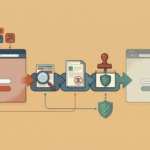
Flat editorial illustration: The article's core relationship is the brand protection response workflow: detection of a phishing o
Data & AI Architecture Focus: 6 Best Brand Protection Tools for Phishing and Impersonation
IT Security
Server racks with cloud and user interface panels
Cloud Infrastructure and Workload Migration: A Data-Driven Look at VMware Alternatives in Europe
Cloud Computing Exclusive
Synthetic Data vs Real Web Data: Comparison, Limitations, and Collection Methods  -- AI-generated illustration
Synthetic Data vs Real Web Data: Comparison, Limitations, and Collection Methods 
Big Data Exclusive

Stay Connected

1.2KFollowersLike
33.7KFollowersFollow
222FollowersPin

You Might also Like

Can Deep Learning Improve Construction Snag Lists?
ExclusiveMachine Learning

Can Deep Learning Improve Construction Snag Lists?

9 Min Read
5 Amazing Benefits Of Big Data For Business Owners In 2020
Business Intelligence

5 Amazing Benefits Of Big Data For Business Owners In 2020

7 Min Read
Big Data is Merging Ecommerce and Brick-and-Mortar Retail in Exciting Ways
Big DataMarketing

Big Data is Merging Ecommerce and Brick-and-Mortar Retail in Exciting Ways

5 Min Read
What To Know About Using Artificial Intelligence For Big Data Analysis
Artificial IntelligenceBig Data

What To Know About Using Artificial Intelligence For Big Data Analysis

6 Min Read

SmartData Collective is one of the largest & trusted community covering technical content about Big Data, BI, Cloud, Analytics, Artificial Intelligence, IoT & more.

From Bolts to Bots: How AI Is Fortifying the Automotive Industry
Artificial Intelligence
Artificial Intelligence for eCommerce: A Closer Look
Artificial Intelligence

Quick Link

  • About
  • Contact
  • Privacy
Follow US
© 2008-26 SmartData Collective. All Rights Reserved.
Welcome Back!

Sign in to your account

Username or Email Address
Password

Lost your password?