
Recruiting has always been seen as an art. Employers and recruiters spend hours writing job descriptions, scouring over resumes and conducting interviews to try to judge which candidate will be the best fit for a position. Many of the factors these businesses use to judge candidates are imperfect at best and completely misleading in some cases.
Some businesses rely heavily on a student’s GPA or the prestige of the college they attended to select entry level employees, but many of these employees don’t turn out right for the job because they need instructions for every step that they take or don’t work well with others.
Now, recruiters are turning to new analytical techniques using big data services to help them develop better criteria and better evaluation tools to truly find the best person for the job.
Candidate Search
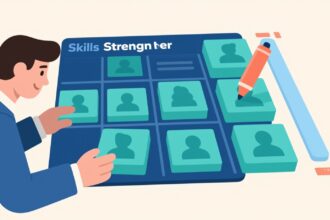
The traditional approach to finding job candidates required making a job posting and waiting for a qualified individual to respond. The problem is that the most qualified individual may not see the listing, or even be looking for a job at that time. In addition, resumes can actually tell very little about a person, especially compared to the portfolio of professional work that most of us have collected online.
Instead of collecting resumes, recruiters have started scouring the Internet and sites like LinkedIn for individuals with the skills and expertise they are looking for, whether that individual is actively seeking a job or not. Those who get the attention of recruiters won’t be those with a polished resumes, but rather those who are active in their professional community online and demonstrate their passion through their actions.
Creating New Candidate Criteria
As mentioned in the beginning, much of the criteria used to measure potential job candidates is flawed. Educational background, GPA, performance on an interview or even previous work experience often pass over candidates with a lot of potential, but due to varying life circumstances weren’t able to fit into a certain mold. Even job specific criteria, such as having an outgoing personality in sales or a consistent work history to judge dependability aren’t accurate, so how can big data help businesses to create better criteria for job candidates?
Some companies are creating criteria by evaluating their current employees. They take their star employes and use a game to test how that employee reacts to certain situations to create a profile of what attributes will make a person successful in a particular situation. Throughout these tests some universal traits have come to light, including resilience, adaptability, social and emotional intelligence and raw intelligence. Depending on the type of position, friendliness or a diverse background becomes important.
Replacing the Interview
When you are looking for traits such as resilience or adaptability, an interview becomes a pretty poor choice for evaluating candidates. After all, the candidate comes in knowing they have to put on a show, and anyone can come up with some time when they adapted to a situation, so what can businesses replace the interview process with? It could be that online games and questionnaires will become the norm.
For example, a startup called Kanck.it creates online games that analyze the player’s behavior to determine things like emotion recognition. The technology then scores the player on how likely it is that they would be a good employee. As mentioned above, the criteria is determined by how star employees performed on the game. Other companies have developed memory games and personality surveys to test potential employees.
Setting Pay Scale
Setting pay scale is an important part of the recruiting process that shouldn’t be overlooked. A company called PayScale uses a cloud database along with big data insights to provide current salary comparisons for millions of job titles and locations. This type of real-time analysis is a far cry from many of the outdated services companies use today. Being prepared with the right salary is especially important as businesses start to go after passive candidates rather than ones who are anxious to get a job.
Employees are one of the most important resources businesses have, but the processes used to find them have some serious weaknesses. For those looking for a more complete and objective approach, big data may just be the answer.
Image source: Flickr.com