
We use cookies, including third-party cookies from Google to serve personalized ads through AdSense, to operate this site and understand how it is used. By continuing to browse, you accept this use. See our Privacy Policy and Terms of Use for details, including how to opt out of personalized advertising.
Accept
SmartData CollectiveSmartData Collective
  • Analytics
    AnalyticsShow More
    What Kind of Problem-Solving Distinguishes Data Analysts From Software Engineers -- AI-generated illustration
    What Kind of Problem-Solving Distinguishes Data Analysts From Software Engineers
    7 Min Read
    chatgpt image jul 21, 2026, 04 34 30 pm
    4 Core Benefits of Predictive Maintenance after Vibration Analysis
    10 Min Read
    How Does Data Mining Boost Customer Satisfaction in Logistics? Harnessing Analytics for Results -- AI-generated illustration
    How Does Data Mining Boost Customer Satisfaction in Logistics? Harnessing Analytics for Results
    11 Min Read
    chatgpt image jul 13, 2026, 04 23 45 pm
    How Data Analytics Helps Companies Improve User Engagement
    19 Min Read
    chatgpt image jul 13, 2026, 03 59 46 pm
    How Data Analytics Improves Multi-Location Search Strategies
    10 Min Read
  • Big Data
  • BI
  • Exclusive
  • IT
  • Marketing
  • Software
Search
© 2008-25 SmartData Collective. All Rights Reserved.
Reading: Does IT Management Think About Predictive Analytics in the Cloud?
Share
Notification
Font ResizerAa
SmartData CollectiveSmartData Collective
Font ResizerAa
Search
  • About
  • Help
  • Privacy
Follow US
© 2008-23 SmartData Collective. All Rights Reserved.
SmartData Collective > IT > Cloud Computing > Does IT Management Think About Predictive Analytics in the Cloud?
Cloud ComputingPredictive Analytics

Does IT Management Think About Predictive Analytics in the Cloud?

JamesTaylor
JamesTaylor
3 Min Read
Does IT Management Think About Predictive Analytics in the Cloud?
Photo by IMGMIDI on Pixabay (https://pixabay.com/photos/sprinkler-irrigation-7064726/)
SHARE

I have been reviewing the first set of responses to our Predictive Analytics in the Cloud survey over at SmartData Collective and there are a couple of interesting demographic notes. First there is a complete absence of IT Management. We have a pretty good sprinkling of IT Executive Leadership – not as many as Line of Business or Analytic executive leadership but a good number – but no IT management. There are plenty of analytic and line of business managers but no IT management. This is interesting to me as I speak at a lot of conferences where CIOs, the people IT management work for, are REALLY interested in predictive analytics and how to make it easier and more pervasive. Why, I wonder, is there a disconnect between this leadership interest and the folks who run the IT department? Hopefully it’s just a temporary thing and all you IT management folks out there will take the survey. It would be a major downer if IT management really did not “get” predictive analytics.

The second interesting demographic is that the results are dominated by marketing people. Again I wonder if this is because they care more about this than anyone else does or if we are just getting an initial group focused in this area. If you don’t work in Marketing and care about Predictive Analytics in the cloud, why not tell us what you think?

Meanwhile I have recorded a podcast and that will be added to the deliverables soon. Don’t forget that one registration gives you access to all the deliverables. Go to smartdatacollective.com/predictive-analytics-cloud to register.
Share This Article
Facebook Pinterest LinkedIn
Share

Follow us on Facebook

Latest News

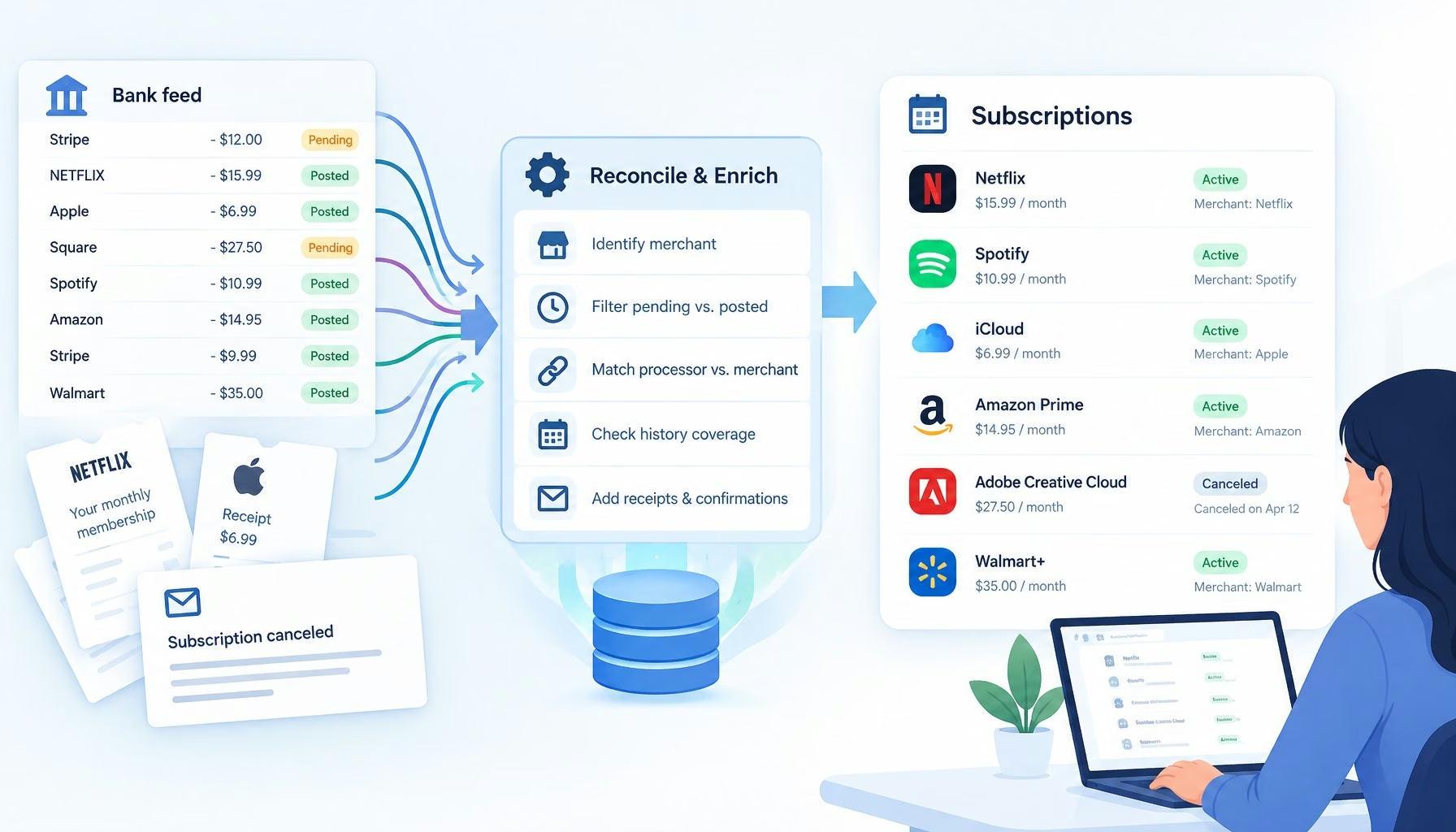
Flat editorial illustration: The article's core relationship is the gap between raw bank-feed records and reliable subscription i
Subscription Trackers Have a Transaction Data Problem
Big Data Exclusive
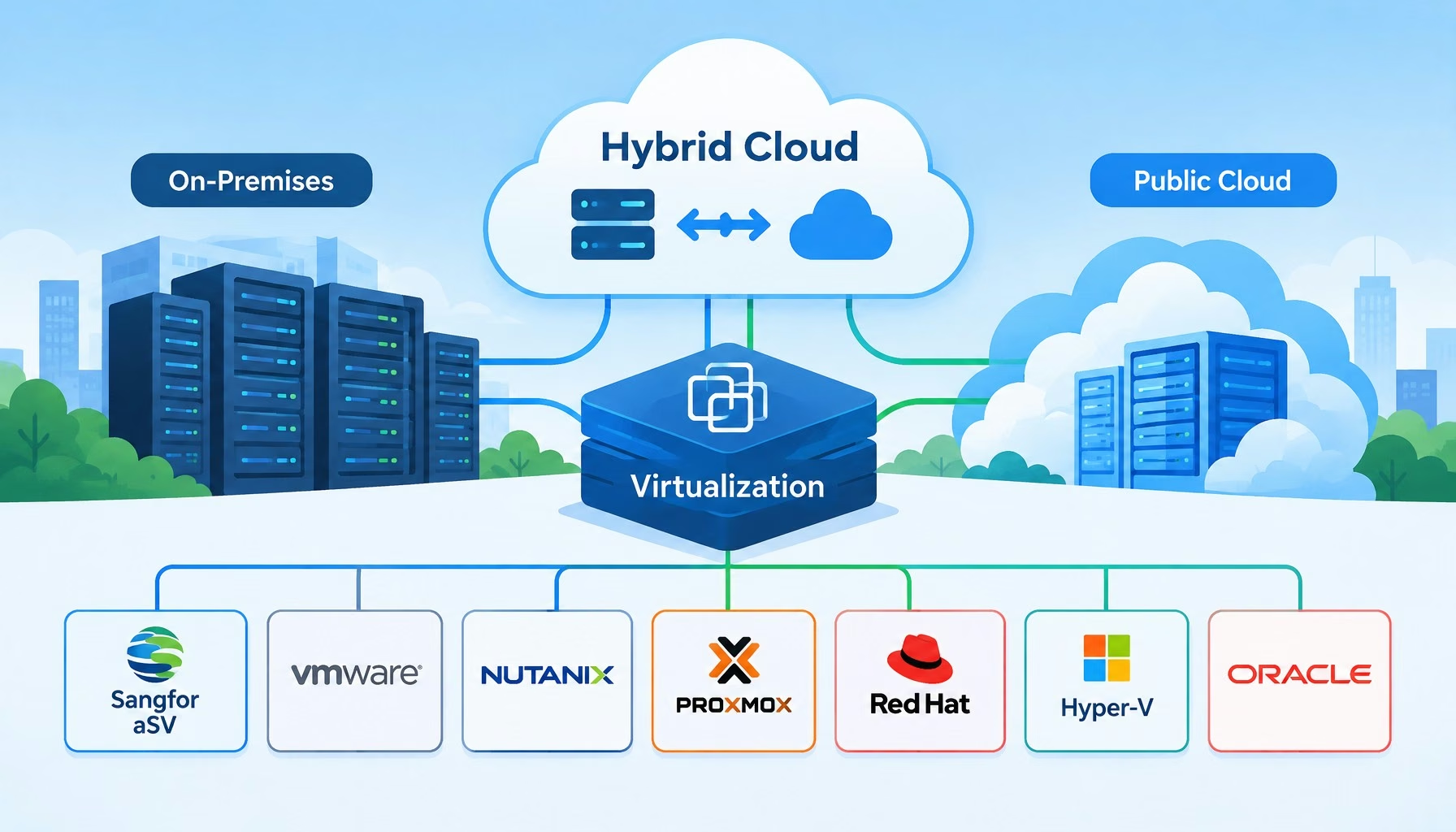
Flat editorial illustration: The article's core relationship is the hypervisor as the abstraction layer that makes hybrid cloud p
7 Best Virtualization Platforms for Hybrid Cloud Environments
Big Data
Flat editorial illustration: The article's core relationship is between aggregated workplace data (occupancy, environmental, feed
How Businesses Can Use Workplace Data to Create Better Office Environments
Big Data Business Intelligence Exclusive
Flat editorial illustration: The article's core relationship is the engineering transition from an AI prototype to a production-r
From AI Prototype to Production: Observability and Scalability Requirements for Data-Heavy SaaS Applications
Artificial Intelligence Exclusive

Stay Connected

1.2KFollowersLike
33.7KFollowersFollow
222FollowersPin

You Might also Like

Analytics BS: 3 Questions to Spot It
AnalyticsBest PracticesBusiness IntelligenceCulture/LeadershipData MiningModelingPredictive AnalyticsStatisticsWeb Analytics

Analytics BS: 3 Questions to Spot It

11 Min Read
Surviving the downturn lesson #73431
Business IntelligenceData MiningData WarehousingPredictive Analytics

Surviving the downturn lesson #73431

6 Min Read
Predictive Tourism: The Merger Of Big Data In Travel Industry
Big Data

Predictive Tourism: The Merger Of Big Data In Travel Industry

6 Min Read
10 Technology Trends that will Define Enterprise Architecture in the 2010s
Business IntelligenceCloud ComputingCulture/LeadershipData Visualization

10 Technology Trends that will Define Enterprise Architecture in the 2010s

3 Min Read

SmartData Collective is one of the largest & trusted community covering technical content about Big Data, BI, Cloud, Analytics, Artificial Intelligence, IoT & more.

The Art of Conversation: Enhancing Chatbots with Advanced AI Prompts
Chatbots
Chatbots and SEO: How Can Chatbots Improve Your SEO Ranking?
Artificial Intelligence Chatbots Exclusive

Quick Link

  • About
  • Contact
  • Privacy
Follow US
© 2008-26 SmartData Collective. All Rights Reserved.
Welcome Back!

Sign in to your account

Username or Email Address
Password

Lost your password?