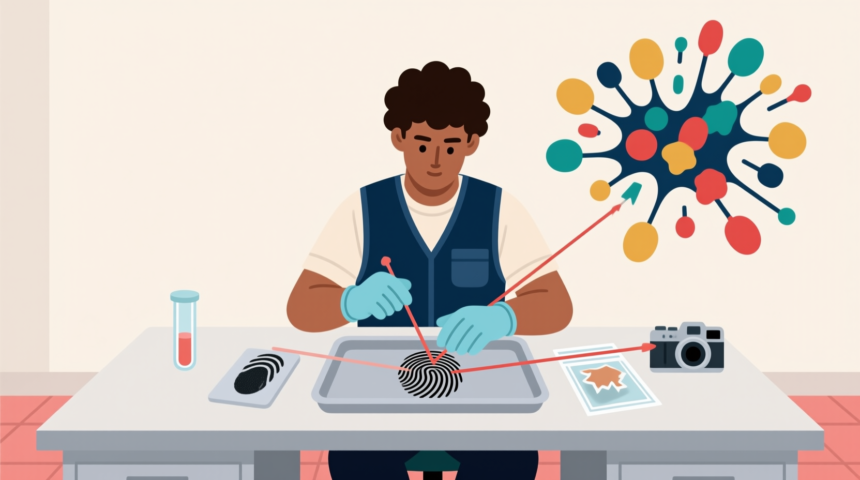
Plenty of kids grew up watching CSI, Law and Order and other crime dramas. They got a glimpse of the role forensic technology plays in the criminal justice system. People that are going into the field are discovering a new form of technology that is changing the future of law enforcement: big data.
Big data is used in many types of applications in the criminal justice system, from profiling criminals to locating data and presenting evidenced based arguments to jurors at trial. The BJS and technology journalists predict that it will change the future of law enforcement in numerous ways.
If you’re interested in joining the hottest occupations out there, crime analyst is the way to go. It’s useful in nearly every industry, and the versatility and power of big data analysis is incredible. Today, most large companies are investing in data science, and the number of openings is exploding—in fact, there’s a talent shortage for many key big data roles. However, getting into the corporate world isn’t the only way to be part of the big data boom. You can also jump in on some fascinating applications for big data in fields like criminal justice. Crime analysts extract valuable insights from datasets that can help law enforcement reduce crime and help police departments become more efficient and effective. This field is expanding quickly, and is expected to grow by 19% by 2020.
The Future of Forensic Analysis
With the amount of data now available to police departments and communities, there is an opportunity to take an in-depth look at the factors affecting crime so agencies can take steps to reduce it in their communities. However, that’s not all that crime analysts work on. Because big data is so versatile, there are several goals that crime analysts can be working toward at once.

First, crime analysts look at repeat offenders and criminal networks in order to spot patterns and factors in both violent crime and property crime. Analysts also use police data to help departments plan how to use their manpower and resources for short-term development. Long-term, crime analysts can use insights from data to help agencies streamline their operations, create new policies, crime prevention techniques, and strategies that will make a lasting impact.
The future of crime analysis won’t just involve local issues, however. As cybercrime and data theft becomes a greater threat globally, especially in industries like healthcare (one study found that around 90% of healthcare organizations were victims of data theft in the last two years), crime analysts will be able to help investigate these cases. Currently, cybercrime is difficult for law enforcement to prosecute, but crime analysts of the future may be able to help by tracking patterns and investigating these cases.
Duties & Pay of a Crime Analyst
About 89% of agencies now employ a full-time crime analyst, and the average salary for these workers is $41,203. During their workday, crime analysts may be tasked with several different duties, including analyzing data to detect crime patterns, assisting detectives and first-line supervisors, and preparing maps and reports.
Techniques Used
Crime analysts need to look at a number of different factors in order to effectively leverage crime data. This multifaceted approach involves these techniques:
- Studying repeat offenders and repeat victims
- Analyzing social media data
- Link analysis
- Looking into criminal history
- Analyzing communications
- Commodity flow analysis
- Observing “hot spots”
Some or all of these data sources may be examined, depending on the goals of the project. Big data analysis works best when the scope of the project is narrow and defined.
Crime Analysis Statistics
So how successful are analysts at meeting their challenging goals? Quite successful, according to agencies that have used their services. Using models that were intended to predict earthquake aftershocks, the LAPD was able to track crime patterns in geographical areas by using the algorithms to analyze 13 million crimes. After applying these insights in certain areas, there was a 33% drop in burglaries, along with a 21% reduction in violent crime in these areas.
Of course, one analyst can only do so much work in a week, and agencies need to take care not to understaff. An agent should take on no more than 1,500 crimes personally.
Becoming a Crime Analyst
Overall, the crime analyst career path is a great option for logical thinkers who love solving puzzles and are interested in criminology. If you think you have the curiosity, attention to detail, and data savvy to become a crime analyst, you will need to make sure you meet the minimum requirements first. At the very least, you’ll need a bachelor’s degree, be able to pass a background check, and be a United States citizen. Unlike many data science degrees, you don’t necessarily need a postgraduate degree, although it can certainly help, especially if you have no experience in law enforcement. A few institutions offer certifications, and hopeful crime analysts can set themselves up for success in college by studying criminal justice, criminology, or a similar discipline. Database knowledge, trustworthiness, communication skills, and experience in the law enforcement field will all go a long way toward making you a strong candidate for a crime analyst position.