We use cookies, including third-party cookies from Google to serve personalized ads through AdSense, to operate this site and understand how it is used. By continuing to browse, you accept this use. See our Privacy Policy and Terms of Use for details, including how to opt out of personalized advertising.
Accept
SmartData CollectiveSmartData Collective
  • Analytics
    AnalyticsShow More
    What Kind of Problem-Solving Distinguishes Data Analysts From Software Engineers -- AI-generated illustration
    What Kind of Problem-Solving Distinguishes Data Analysts From Software Engineers
    7 Min Read
    chatgpt image jul 21, 2026, 04 34 30 pm
    4 Core Benefits of Predictive Maintenance after Vibration Analysis
    10 Min Read
    How Does Data Mining Boost Customer Satisfaction in Logistics? Harnessing Analytics for Results -- AI-generated illustration
    How Does Data Mining Boost Customer Satisfaction in Logistics? Harnessing Analytics for Results
    11 Min Read
    chatgpt image jul 13, 2026, 04 23 45 pm
    How Data Analytics Helps Companies Improve User Engagement
    19 Min Read
    chatgpt image jul 13, 2026, 03 59 46 pm
    How Data Analytics Improves Multi-Location Search Strategies
    10 Min Read
  • Big Data
  • BI
  • Exclusive
  • IT
  • Marketing
  • Software
Search
© 2008-25 SmartData Collective. All Rights Reserved.
Reading: Could Cloud Based Systems Save the World?
Share
Notification
Font ResizerAa
SmartData CollectiveSmartData Collective
Font ResizerAa
Search
  • About
  • Help
  • Privacy
Follow US
© 2008-23 SmartData Collective. All Rights Reserved.
SmartData Collective > IT > Cloud Computing > Could Cloud Based Systems Save the World?
Cloud ComputingCommentaryData ManagementExclusiveITSecuritySoftware

Could Cloud Based Systems Save the World?

Josh Rose
Josh Rose
4 Min Read
Could Cloud Based Systems Save the World?
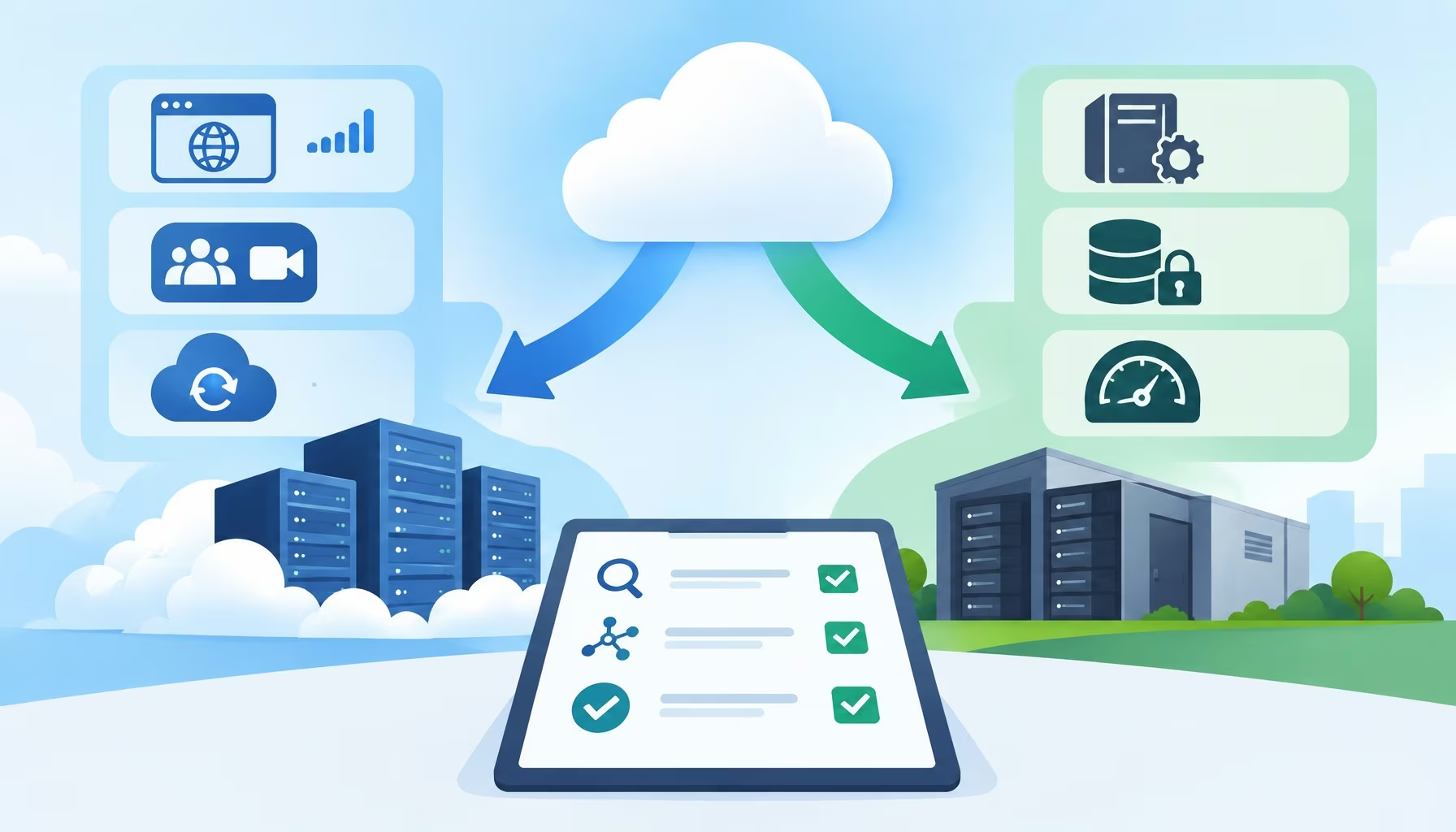
Illustration generated with FLUX.2 [klein 4B] via Cloudflare Workers AI.
SHARE

Big data needs big resources. Big resources have big costs – and not just financially.

As technologies improve and the Earth spins faster we find ourselves using and needing more resources for the ever growing amounts of data that have now become ingrained into the everyday functioning of our lives.

It doesn’t take an environmental scientist to work out that eventually these resources will more than likely eventually dry up; and if we keep demanding more instead of trying to cut down it could happen sooner than expected.

Big data needs big resources. Big resources have big costs – and not just financially.

More Read

Retail
Transforming Retail: Social Media & Other Technology
How Data Enrichment Is A Force Multiplier In Analytics
Technology Innovation: 3 Tips for Dealing with Closed-Minded Executives
HD Voice and the Future of Voice Communication
Of Baby Black Swans and the Race to Zero

As technologies improve and the Earth spins faster we find ourselves using and needing more resources for the ever growing amounts of data that have now become ingrained into the everyday functioning of our lives.

It doesn’t take an environmental scientist to work out that eventually these resources will more than likely eventually dry up; and if we keep demanding more instead of trying to cut down it could happen sooner than expected.

According to predictions it’s looking like we’ll either suffocate from the gases we’ve been emitting since the industrial revolution or we’ll run out of energy and revert to living like cavemen. I’m not too keen on either option.

Though many still believe that global warming is a conspiracy created by the government, aliens or both it’s an issue that’s facing us all with big businesses receiving a lot of the blame for their big data usage and storage. Therefore bosses are faced with the dilemma of cutting their energy usage whilst not cutting corners, losing their big data supply or sacrificing product quality and customer service.

So it looks like we’re in complete despair. How do big businesses continue to utilise the mass amounts of data out there without sending us all to an early grave?

The answer if of course, that mysterious saviour, the cloud!

Cloud based technology – a movement big businesses have been forced to get behind – has already proven its worth in financial, productivity and quality benefits. Now we can add environmentally friendly to the list.

Traditionally, big businesses stored big data in-house either on their own dedicated or shared servers. This contributed heavily to the carbon footprint of each company. But with a cloud based solution bosses can utilise state of the art facilities, purposely built for data storage and sharing, and will generate the lowest amount of energy possible from such a powerful system.

Big companies using big data can end up using and wasting a lot of paper. Following in the footsteps of the banking sector, using cloud based services businesses can bill clients and customers via online portals as opposed to using traditional paper bills. This can save millions of tons of paper wasted by the corporate giants.

Reducing your carbon footprint has become a priority for big businesses. Big data is great. It has made the world a smaller, more connected and more efficient place. In order to keep big data in everyone’s good books businesses need to utilise cloud based technology – if they haven’t done so already – to boost their company into the 21st century and help to save the world!

Share This Article
Facebook Pinterest LinkedIn
Share

Follow us on Facebook

Latest News

Flat editorial illustration: The article's core relationship is workload-by-workload decision-making for cloud migration, where s
Which Workloads Should Move to the Cloud?
Cloud Computing Exclusive IT
Flat editorial illustration: The article positions data governance as a strategic board-level concern rather than a purely techni
Why Data Governance Is Becoming a Board-Level Business Priority
Big Data Exclusive Policy and Governance
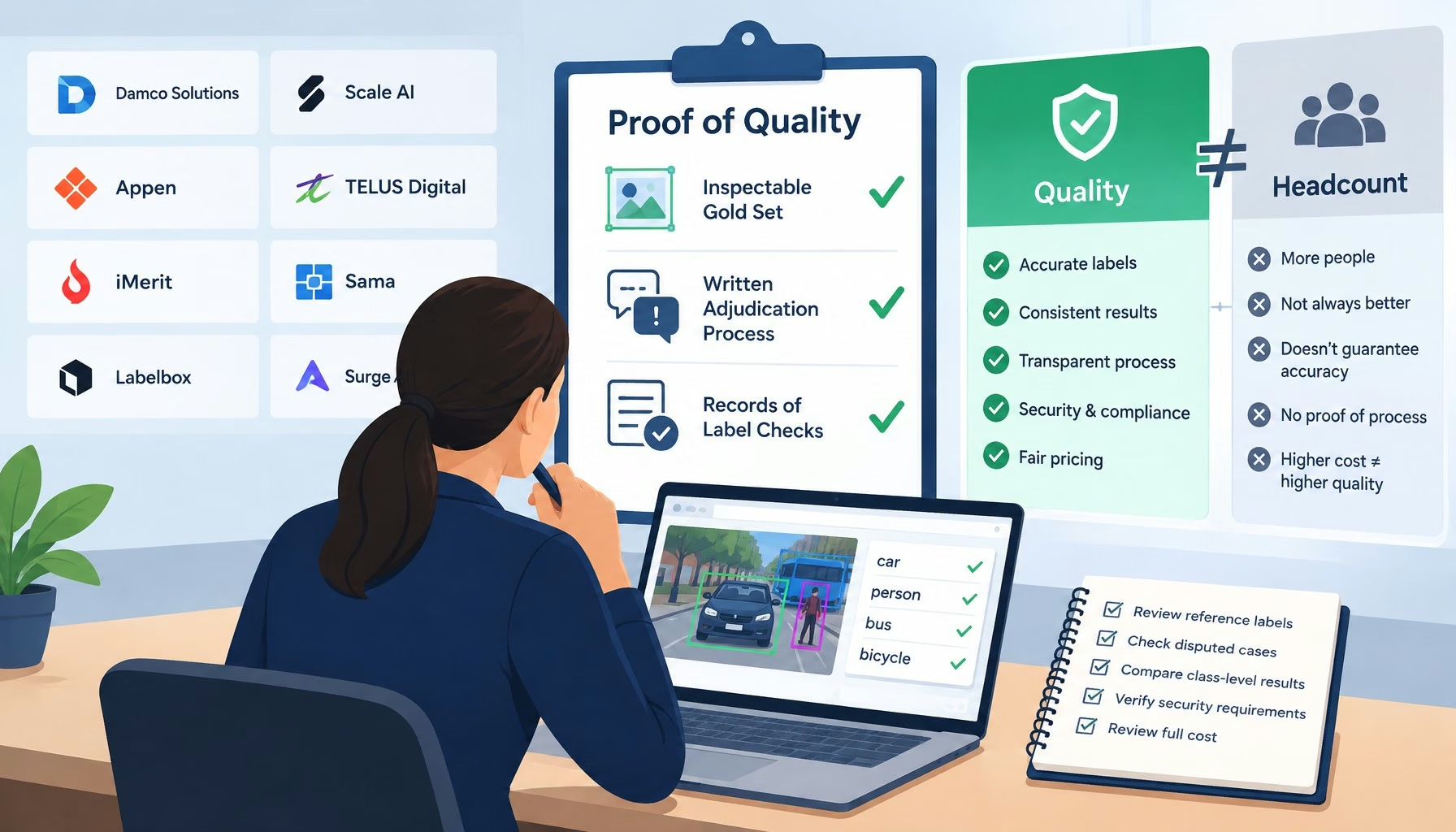
Flat editorial illustration: The article argues that data annotation quality should be measured by inspectable gold sets, written
The Top Data Annotation Companies Are Separated by Proof of Quality, Not Headcount
Big Data Exclusive
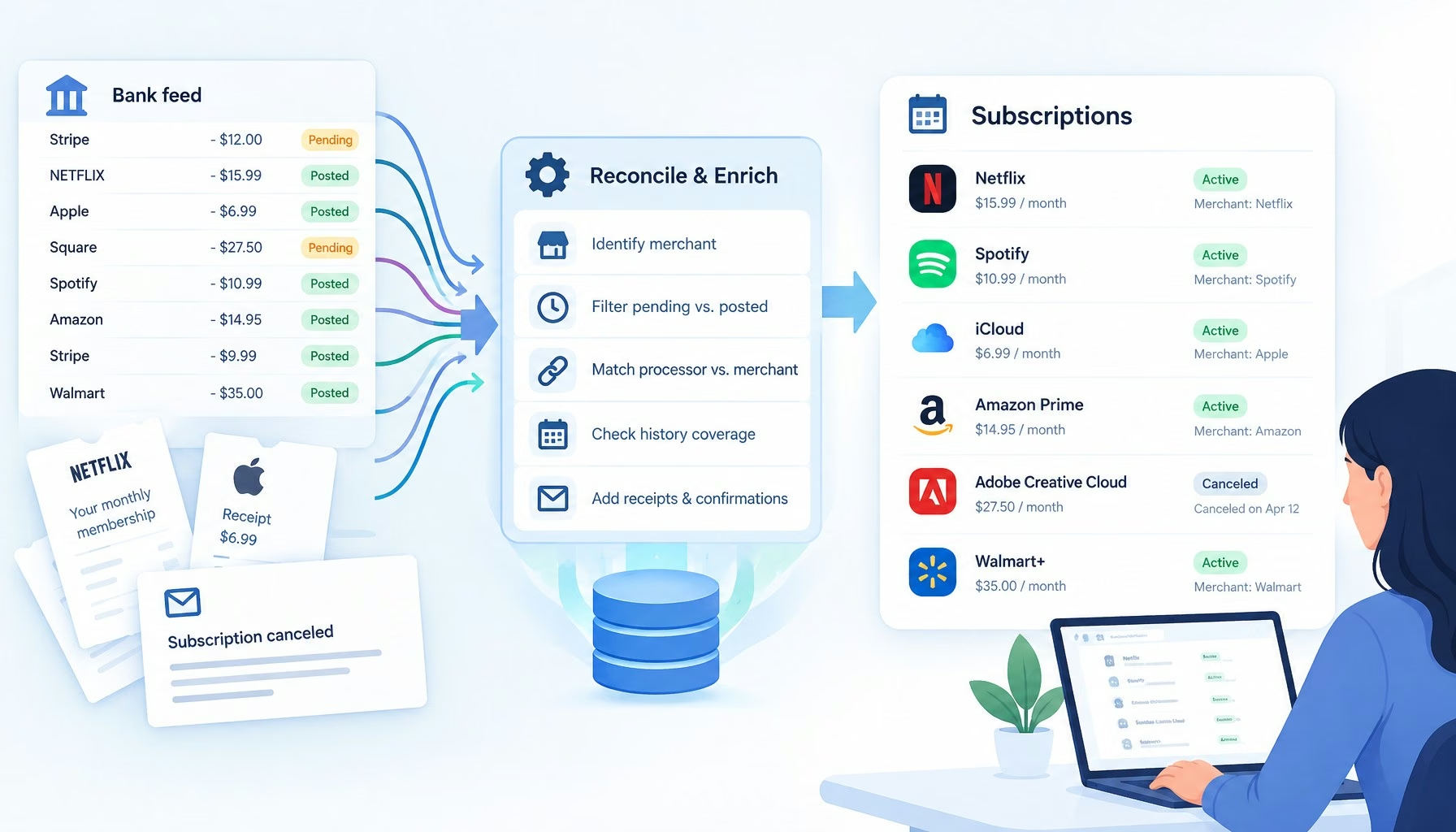
Flat editorial illustration: The article's core relationship is the gap between raw bank-feed records and reliable subscription i
Subscription Trackers Have a Transaction Data Problem
Big Data Exclusive

Stay Connected

1.2KFollowersLike
33.7KFollowersFollow
222FollowersPin

You Might also Like

The Opportunities and Challenges of Big Data
Best PracticesBig DataData ManagementUnstructured Data

The Opportunities and Challenges of Big Data

5 Min Read
IBM SPSS Analytic Catalyst Makes Sophisticated Analytics Accessible
AnalyticsSoftware

IBM SPSS Analytic Catalyst Makes Sophisticated Analytics Accessible

8 Min Read
How To Maintain Accurate Data Through Conversational Analysis?
Analytics

How To Maintain Accurate Data Through Conversational Analysis?

8 Min Read
5 Steps to Setting your Big Data Goals
AnalyticsData MiningHadoopPredictive Analytics

5 Steps to Setting your Big Data Goals

5 Min Read

SmartData Collective is one of the largest & trusted community covering technical content about Big Data, BI, Cloud, Analytics, Artificial Intelligence, IoT & more.

The Art of Conversation: Enhancing Chatbots with Advanced AI Prompts
Chatbots
How To Get An Award Winning Giveaway Bot
Big Data Chatbots Exclusive

Quick Link

  • About
  • Contact
  • Privacy
Follow US
© 2008-26 SmartData Collective. All Rights Reserved.
Welcome Back!

Sign in to your account

Username or Email Address
Password

Lost your password?