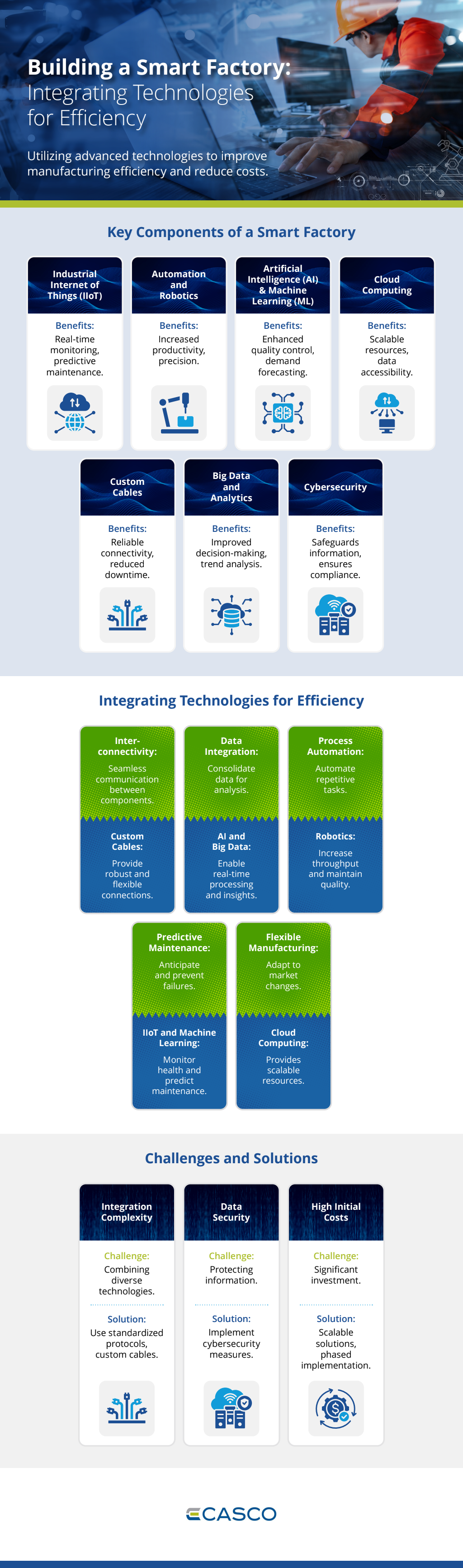
Modern manufacturing facilities increasingly rely on interconnected technologies to maintain efficiency and consistency. Smart factories combine machines, sensors, and digital platforms that generate large volumes of operational data. When these systems operate independently, valuable information may remain isolated within separate tools or departments. Integrating technology across the production environment allows organizations to collect, analyze, and apply data more effectively.
Linking Machines Through Industrial Connectivity
Smart factories depend on communication between machines and digital systems. Production equipment, programmable logic controllers, and sensor networks all generate operational data. Integrating these sources allows organizations to track production metrics in real time.
Industrial connectivity solutions often support this exchange of information. Data from equipment can be transmitted through networks that link production lines with central monitoring platforms. Physical infrastructure also plays a role in reliable communication, particularly when high-speed data transmission is required across large facilities. Components such as fiber optic cable assembly solutions help move large volumes of machine data quickly between systems.
When equipment communicates effectively, operators gain visibility into machine performance, production output, and potential maintenance needs.
Centralizing Data for Operational Insights
Integration becomes most valuable when production data flows into a unified platform. Centralized data environments allow organizations to combine information from manufacturing execution systems, enterprise resource planning software, and quality control tools.
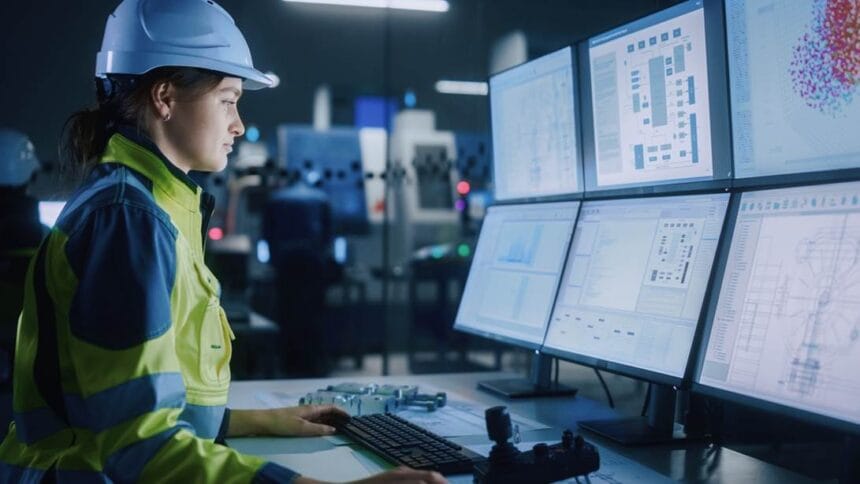
These systems provide a comprehensive view of factory operations. Production managers can monitor output levels, equipment efficiency, and downtime patterns through dashboards that present real-time metrics.
Historical data analysis adds another layer of insight. Patterns within machine performance or production cycles may reveal opportunities to reduce waste, improve scheduling, or adjust staffing levels. Data scientists and operations teams often collaborate to interpret these trends and recommend operational improvements.
Predictive Maintenance Through Data Analysis
Integrated technology also supports predictive maintenance strategies. Sensors installed on machinery collect data related to vibration, temperature, and operational load. When these measurements are analyzed over time, patterns may indicate early signs of mechanical wear.
Predictive maintenance platforms evaluate these signals and generate alerts when equipment performance deviates from normal conditions. Maintenance teams can then schedule inspections or part replacements before a failure disrupts production.
Reducing unplanned downtime has a measurable impact on factory efficiency. Data-driven maintenance programs help organizations maintain consistent output while lowering repair costs.
Aligning Workforce and Digital Systems
Technology integration affects workforce operations as well. Production staff, engineers, and management teams rely on accurate information to coordinate daily activities. Digital dashboards and reporting tools allow employees to view operational metrics from shared platforms.
Training programs often accompany technology integration projects. Employees who understand how to interpret production data can respond quickly to equipment changes or process variations. Collaboration between technical teams and operations staff ensures that digital tools remain useful on the factory floor.
Smart factories function most effectively when machines, software platforms, and personnel operate within a connected data environment. Integrating technology across manufacturing systems allows organizations to transform raw operational data into actionable insights. Clear visibility into production performance supports faster decisions, improved efficiency, and more consistent manufacturing outcomes. Look over the infographic below for more information.