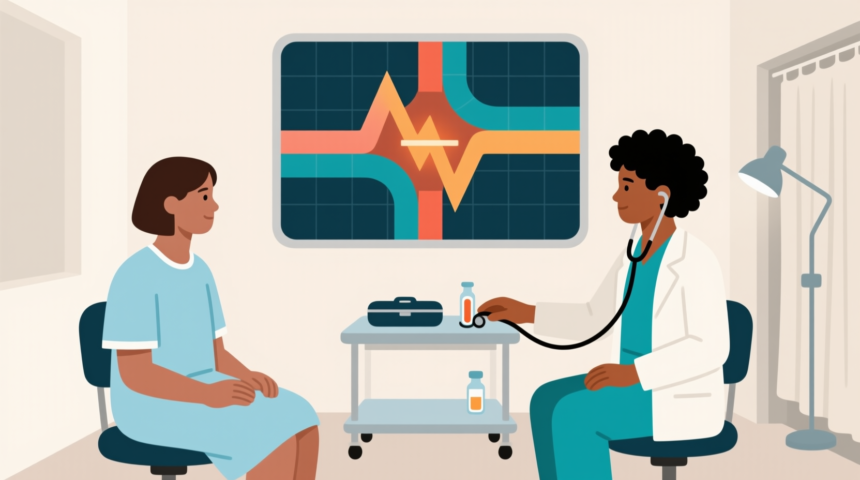
Artificial intelligence technology has been around since the 1950s, and has been a part of collective imaginings of a better future for decades. However, only recently has this revolutionary technology begun to make significant and tangible contributions to the medical industry. While we might still be several decades away from robots attending you in a doctor’s office, the influences of AI technology in the medical field have arrived.
A Word on Different Types of AI
Before we begin to look at some of the more important contributions that AI technology is making in the medical industry, it is important to differentiate between different types of artificial intelligence.
WorkFusion, a company specializing in intelligent automation, defines artificial intelligence thus: “AI gives machines the ability to learn, reason, and understand. It uses historical data and real time human action to train algorithms to do work the same way a person would – only faster and without errors. AI is branch of computer science, and Machine Learning is the mature branch of AI that is used today by leading businesses.”
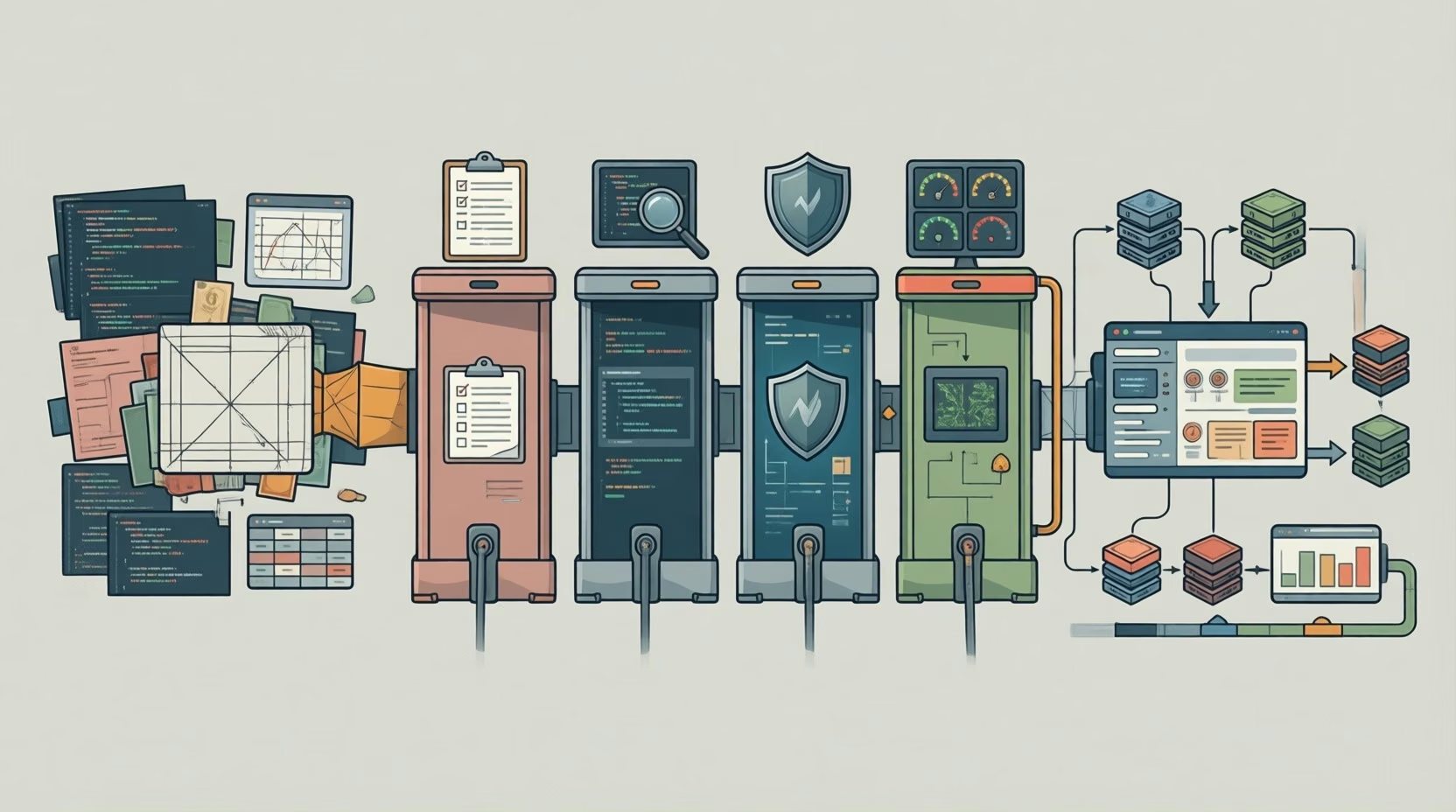
Machine learning is usually considered to be the “true” form of artificial intelligence, as computers essentially gain the ability to learn by themselves without the constant oversight and input of a human technician. Today, however, most of the artificial intelligence solutions emerging in the world of the health and medical sectors is not an example of machine learning. Rather, these AI technologies rely on algorithms that are created by humans. These algorithms are then utilized by computers and other forms of AI to analyze diverse sets of data and help to recommend certain treatment options.

What Exactly Is AI Doing Currently in the Medical Field?
We have heard people speculating about the role big data and artificial intelligence will have on the medical industry. Some of these predictions can be traced to the roots of Isaac Asimov stories over half a century ago. In more recent years, we have seen new depictions that demonstrate the potentially disruptive role AI will have on healthcare. The third installment in the Star Wars prequel saga showed physicians that were automatons, driven solely by AI.
But how much of this is rooted in reality? What can we really expect from AI in our lifetime?
While we might not yet be at the threshold of true artificial intelligence characterized by machine learning in hospitals and clinics, the human-embedded algorithms into AI computers are certainly making headway and important advances. For example, cancer hospitals routinely use what are known as consensus algorithms that are gathered from several experts in certain oncology fields of study. This algorithm is essentially a gathering of the best knowledge related to a certain type of cancer and treatment options available. Along with this information, a doctor also inputs a patient´s specific medical record.
This information along with the input algorithm allows a specific doctor to review and discuss with their patient hundreds and even thousands of different treatment alternatives and options for their particular type of cancer. Instead of blindly experimenting with different combination of chemotherapy drugs are spending days on the phone consultation with specialists around the world, this AI technology allows cancer doctors and patients to instantly gather information related to the best practices available to any given patient.
Another possible use for AI in the healthcare field is through the development of the “digital eye”, or visual pattern recognition software. Almost half of all US women will receive one false-positive test for a mammogram during their lifetime due to human error. AI technologies such as visual pattern recognition can help to avoid these common human errors and allow patients to receive a more accurate diagnosis.
As AI technologies continue to develop, more and more uses in the medical field and industry will continue to emerge.
Conclusion
We are still testing the impact that AI will have on the future of the healthcare profession. However, it is becoming abundantly clear that AI is changing healthcare in remarkable ways. We will have to see how it will play out in the years to come.