We use cookies, including third-party cookies from Google to serve personalized ads through AdSense, to operate this site and understand how it is used. By continuing to browse, you accept this use. See our Privacy Policy and Terms of Use for details, including how to opt out of personalized advertising.
Accept
SmartData CollectiveSmartData Collective
  • Analytics
    AnalyticsShow More
    What Kind of Problem-Solving Distinguishes Data Analysts From Software Engineers -- AI-generated illustration
    What Kind of Problem-Solving Distinguishes Data Analysts From Software Engineers
    7 Min Read
    chatgpt image jul 21, 2026, 04 34 30 pm
    4 Core Benefits of Predictive Maintenance after Vibration Analysis
    10 Min Read
    How Does Data Mining Boost Customer Satisfaction in Logistics? Harnessing Analytics for Results -- AI-generated illustration
    How Does Data Mining Boost Customer Satisfaction in Logistics? Harnessing Analytics for Results
    11 Min Read
    chatgpt image jul 13, 2026, 04 23 45 pm
    How Data Analytics Helps Companies Improve User Engagement
    19 Min Read
    chatgpt image jul 13, 2026, 03 59 46 pm
    How Data Analytics Improves Multi-Location Search Strategies
    10 Min Read
  • Big Data
  • BI
  • Exclusive
  • IT
  • Marketing
  • Software
Search
© 2008-25 SmartData Collective. All Rights Reserved.
Reading: Data Mining Improved Company’s Revenue By 187%
Share
Notification
Font ResizerAa
SmartData CollectiveSmartData Collective
Font ResizerAa
Search
  • About
  • Help
  • Privacy
Follow US
© 2008-23 SmartData Collective. All Rights Reserved.
SmartData Collective > Big Data > Data Mining > Data Mining Improved Company’s Revenue By 187%
AnalyticsBusiness IntelligenceData MiningInside Companies

Data Mining Improved Company’s Revenue By 187%

Brett Stupakevich
Brett Stupakevich
5 Min Read
Data Mining Improved Company’s Revenue By 187%
Photo by hpgruesen on Pixabay (https://pixabay.com/photos/burg-vischering-l%C3%BCdinghausen-germany-1317811/)
SHARE

Assurant Solutions sells insurance policies on credit card payments, for example if you lose your job or become disabled. Their customer service center takes calls from people who see the monthly add-on fee on their bill and call to cancel.  Metrics are simple. If a customer does not cancel, the customer is “saved.” If a customer is saved by downselling or upselling to a different plan, a percentage of revenue is saved.  Assurant’s objective was to increase the percentage of saved customers and to increase the percentage of saved revenue. To do this, they agreed to abandon their assumptions about how the customer service center should operate in favor of what data mining revealed. MIT Sloan Management Review published this article detailing their astounding results. 

Assurant was routing calls to customer service representatives (CSRs) based on availability and their assessment of CSR knowledge of the product in question – most of which was anecdotal. They had also embraced some industry “best practices” and implemented guidelines so that 80 percent of calls were answered in 20 seconds and customer hold times were kept to a minimum.  A key difference in the data-driven approach would be the ability to base decisions on successful outcomes such as customers and revenue saved, rather than on efficiency measures such as time to answer and customer hold time.

Assurant benefited from being an insurance company with actuaries and mathematicians they could call upon for help in doing the data analysis. They also benefited from having large, comprehensive databases on customers, customer calls and CSRs, which allowed them to analyze detailed information about customers and CSRs as well as every customer call from the previous five years.

As it turns out, some CSRs are more successful with lower monthly premium accounts.  Others can’t save low monthly premium accounts but have great success with higher monthly premium accounts. Based on a number of different factors such as monthly premium, credit score, amount financed, and percentage of credit used, the data mining exercise began to reveal patterns in the data. The result was a predictive model that scored CSRs on their likelihood of saving a particular customer.  The model was complex and comprehensive.  For example, it considered how valuable a customer was, the difference between the “best” and “next best” CSR success rates, estimated call durations for specific CSRs and customer tolerance for hold time. Assurant likened the process to a “sales matchmaking” between CSRs and customers. They didn’t know exactly why some CSRs did better with certain groups of customers, nor did they care. They simply knew that it was true because it was evidenced by the data.

More Read

PAW: Predictive Modeling for E-Mail Marketing
Common Ground: Solving the Survey-GIS Gap
Business Objects Auditing in XIR3
An Introduction To Hands-On Text Analytics In Python
The State of Analytics Across Asia

At the beginning of the project, the customer save percentage and percentage of revenue saved were both 16 percent – already at the top of the industry standard. From the very first day the model was implemented, Assurant watched their results improve. Even better was that the greatest improvements were made with customers who paid the highest monthly premiums. Overall, the customer save percentage rose to about 32 percent and the percentage of revenue saved jumped to about 50 percent. As more valuable customers stayed customers for longer, this also translated into an impact on future revenue using a customer lifetime value model.

Assurant already had the knowledge about how to best route customer calls to CSRs in order to save the most customers and revenue, but it was hiding inside their databases of calls, customers and CSRs. What knowledge do you think is hiding inside your databases that you have yet to discover?

Subscribe to our blog to stay informed on data mining and other data analytics topics.

Steve McDonnell
Spotfire Blogging Team

TAGGED:data analysis
Share This Article
Facebook Pinterest LinkedIn
Share

Follow us on Facebook

Latest News

Flat editorial illustration: The article is about replacing informal co-located management with deliberate asynchronous workflows
Managing a Software Development Dedicated Team Across Time Zones
Development Exclusive Software
Technical architecture diagram and decision framework for wikipedia editing services and ai training data: why llms still treat wikipedia as a source of truth
Wikipedia Editing Services and AI Training Data: Why LLMs Still Treat Wikipedia as a Source of Truth
Artificial Intelligence Exclusive
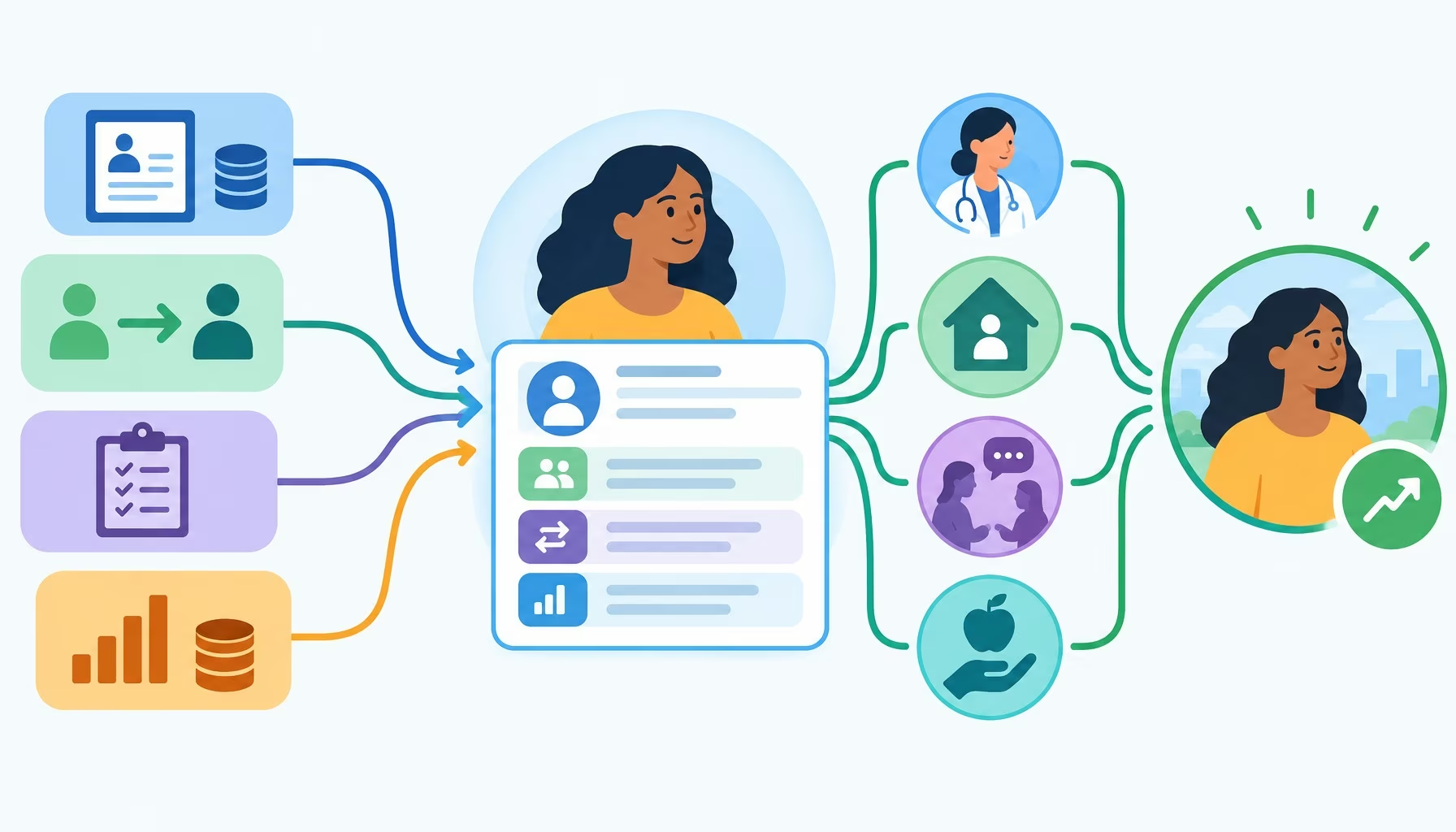
Flat editorial illustration: The article connects fragmented social-service records through shared pathways and selective informa
Turning Disconnected Information Data Into Better Social Service Outcomes
Big Data
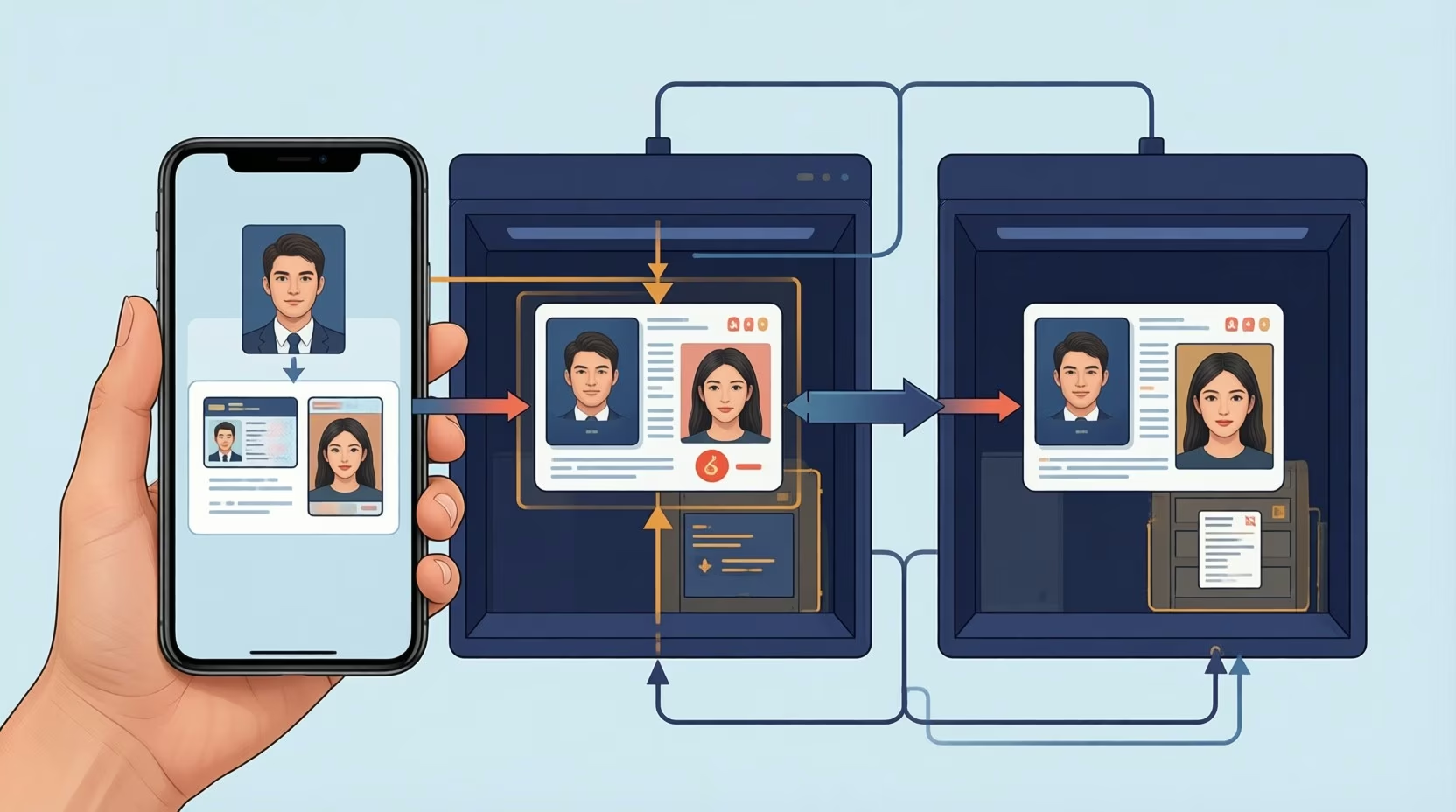
Flat editorial illustration: The article explains how one KYC upload becomes separate records held by a verification vendor and a
What Happens to My KYC Data Behind the Approval Screen?
Big Data Exclusive

Stay Connected

1.2KFollowersLike
33.7KFollowersFollow
222FollowersPin

You Might also Like

What To Learn About 4K Video Compression In The Age of Big Data
Big DataExclusive

What To Learn About 4K Video Compression In The Age of Big Data

5 Min Read
Tufte Shares Wisdom for Data Presenters
Data Visualization

Tufte Shares Wisdom for Data Presenters

4 Min Read
Personal Data Mining: Solving a Mystery
Analytics

Personal Data Mining: Solving a Mystery

6 Min Read
CRM Tools
Big DataBusiness IntelligenceCRMData Management

How Brands Are Using Big Data & CRM Tools to Build Psychographic Profiles

5 Min Read

SmartData Collective is one of the largest & trusted community covering technical content about Big Data, BI, Cloud, Analytics, Artificial Intelligence, IoT & more.

From Bolts to Bots: How AI Is Fortifying the Automotive Industry
Artificial Intelligence
5 Great Tips for Using Data Analytics for Website UX
Big Data

Quick Link

  • About
  • Contact
  • Privacy
Follow US
© 2008-26 SmartData Collective. All Rights Reserved.
Welcome Back!

Sign in to your account

Username or Email Address
Password

Lost your password?