We use cookies, including third-party cookies from Google to serve personalized ads through AdSense, to operate this site and understand how it is used. By continuing to browse, you accept this use. See our Privacy Policy and Terms of Use for details, including how to opt out of personalized advertising.
Accept
SmartData CollectiveSmartData Collective
  • Analytics
    AnalyticsShow More
    What Kind of Problem-Solving Distinguishes Data Analysts From Software Engineers -- AI-generated illustration
    What Kind of Problem-Solving Distinguishes Data Analysts From Software Engineers
    7 Min Read
    chatgpt image jul 21, 2026, 04 34 30 pm
    4 Core Benefits of Predictive Maintenance after Vibration Analysis
    10 Min Read
    How Does Data Mining Boost Customer Satisfaction in Logistics? Harnessing Analytics for Results -- AI-generated illustration
    How Does Data Mining Boost Customer Satisfaction in Logistics? Harnessing Analytics for Results
    11 Min Read
    chatgpt image jul 13, 2026, 04 23 45 pm
    How Data Analytics Helps Companies Improve User Engagement
    19 Min Read
    chatgpt image jul 13, 2026, 03 59 46 pm
    How Data Analytics Improves Multi-Location Search Strategies
    10 Min Read
  • Big Data
  • BI
  • Exclusive
  • IT
  • Marketing
  • Software
Search
© 2008-25 SmartData Collective. All Rights Reserved.
Reading: From Trucks To Data: How Telematics Can Improve Freight Transportation
Share
Notification
Font ResizerAa
SmartData CollectiveSmartData Collective
Font ResizerAa
Search
  • About
  • Help
  • Privacy
Follow US
© 2008-23 SmartData Collective. All Rights Reserved.
SmartData Collective > Big Data > From Trucks To Data: How Telematics Can Improve Freight Transportation
Big DataExclusiveInfographic

From Trucks To Data: How Telematics Can Improve Freight Transportation

By pulling GPS logs, fuel consumption, and engine diagnostics into one system, telematics helps freight carriers cut costly detention delays, reduce diesel waste, and catch vehicle breakdowns before they happen.

Alexander Bekker
Alexander Bekker
6 Min Read
From Trucks To Data: How Telematics Can Improve Freight Transportation -- AI-generated illustration
AI-generated image (OpenAI: gpt-image-2)
SHARE

Freight transportation generates a steady stream of operational data. According to the American Transportation Research Institute (ATRI) 2026 operational cost analysis, running a commercial truck reached a record $2.336 per mile in 2025, which leaves zero margin for blind dispatching. Trucks report their locations, engines record performance information, and drivers move through routes that can be measured down to individual stops. Telematics solutions bring these data points together inside modern fleet software, giving carriers a clearer picture of what is happening across their vehicles. Used effectively, that information supports better decisions about routes, fuel, and maintenance. It also directly improves driver safety and asset utilization.

Contents
  • Route Data Can Reveal Where Time Is Lost
  • Fuel Consumption Becomes Easier to Analyze
  • Maintenance Can Become More Predictive
  • Driver Data Can Support Safer Operations
  • Better Data Requires Better Analysis

Route Data Can Reveal Where Time Is Lost

GPS information does more than show where a truck is located. Historical location and trip logs expose recurring detention delays at customer facilities and congested highway corridors. Those same records also flag inefficient routes and excessive idle time before they drain your operating budget.

Suppose your trucks regularly lose 95 minutes waiting for a dock assignment at a regional grocery distribution center while the driver’s 14-hour Federal Motor Carrier Safety Administration (FMCSA) duty clock ticks down. That pattern may be difficult to recognize from individual driver reports. Telematics data makes the repeated delay measurable. Research from the FMCSA shows that medium-sized carriers experience detention on 19% of their stops, averaging 1.4 hours past the standard two-hour window. Managers can use that information when adjusting schedules, planning routes, or discussing appointment procedures with a customer.

Real-time location tracking also helps dispatchers reroute drivers around highway closures and severe weather. You can divert a load before a minor backup turns into a missed delivery window.
More Read

5 Incredible Ways Enterprises Can Use Big Data Technology
How to Plan a Cybersecurity Strategy for Your Small Business
Governance Helps Perfect Big Data Initiatives
Mass Layoffs August 2009
How Much Data Does Instagram Use? How to Reduce Instagram Data Usage, Step by Step

Fuel Consumption Becomes Easier to Analyze

Fuel is a major operating expense in freight transportation, and telematics can show where unnecessary consumption occurs. Excessive idling and speeding burn through diesel fast. Harsh acceleration and inefficient routing drive fuel use up even further, which is why UPS built its On-Road Integrated Optimization and Navigation (ORION) telematics platform to penalize left-hand turns against oncoming traffic, saving 10 million gallons of fuel annually across its delivery network.

The important step is connecting fuel data with operational context. A truck idling for an extended period may indicate poor driver habits, but it could also be running a power take-off (PTO) pump to unload a bulk tanker or keeping cab batteries charged during sub-zero winter staging. Data helps managers investigate the cause rather than relying on assumptions.

Maintenance Can Become More Predictive

Waiting for a truck to break down on the shoulder leads to heavy towing bills and missed delivery windows. Unplanned roadside failures also force you into overpriced emergency shop repairs while your asset sits idle. Vehicle telematics tracks mileage, engine hours, and Society of Automotive Engineers (SAE) J1939 diagnostic trouble codes pulled straight from the engine control module (ECM).

When this information feeds into fleet management software solutions like Track Your Truck’s NetTrack platform—which pairs plug-in or hardwired GPS trackers with live engine diagnostic alerts for fleets of 5 to 40 vehicles—maintenance teams can schedule service based on actual vehicle use and condition instead of relying solely on calendar intervals.

A recurring SPN 3251 fault code signaling elevated differential pressure across the diesel particulate filter (DPF) gives your shop a clear warning. Technicians can force a stationary regeneration or clean the filter in the bay before the truck triggers an engine derate on an interstate grade.

Driver Data Can Support Safer Operations

Telematics systems increase trucking safety by recording hard braking, rapid acceleration, and speeding. In-cab accelerometers also log sharp cornering on exit ramps. These events should be interpreted carefully. A single hard-braking event could mean a driver avoided a collision rather than drove unsafely.

Patterns are more useful than isolated events. If repeated data shows frequent speeding or harsh maneuvers, managers have specific information they can use during coaching and safety reviews.

Better Data Requires Better Analysis

Collecting more information does not automatically improve freight operations. Companies need consistent definitions and accurate sensor feeds, paired with clear business intelligence reporting that maps directly to per-mile profit targets. Otherwise, dashboards can become collections of numbers without actionable meaning.

The real value of software for fleet management comes from connecting vehicle data with daily operational decisions. Start next Monday by auditing just one metric in your platform: pull your worst five shipper detention locations from the past 90 days and hand that exact idle-time report to your account managers before your next contract renewal. Freight companies that focus on meaningful patterns rather than individual data points turn everyday fleet activity into practical business intelligence. Look over the infographic below for more information.

TAGGED:big databusiness intelligencefleet management softwaretelematics
Share This Article
Facebook Pinterest LinkedIn
Share
ByAlexander Bekker
Follow:
Alex Bekker is a Principal Architect and AI and Data Management Expert at ScienceSoft, an AI transformation company. With a focus on healthcare, insurance, and investment, he helps companies design and integrate analytics, BI, big data, and AI architectures that balance business value, flexibility, and TCO.

Follow us on Facebook

Latest News

How Restaurant POS and Ordering Data Reveal Generational Customer Patterns -- AI-generated illustration
How Restaurant POS and Ordering Data Reveal Generational Customer Patterns
Exclusive Infographic
The Airflow Problems Hiding Inside Data Centers -- AI-generated illustration
The Airflow Problems Hiding Inside Data Centers
Big Data Exclusive Infographic
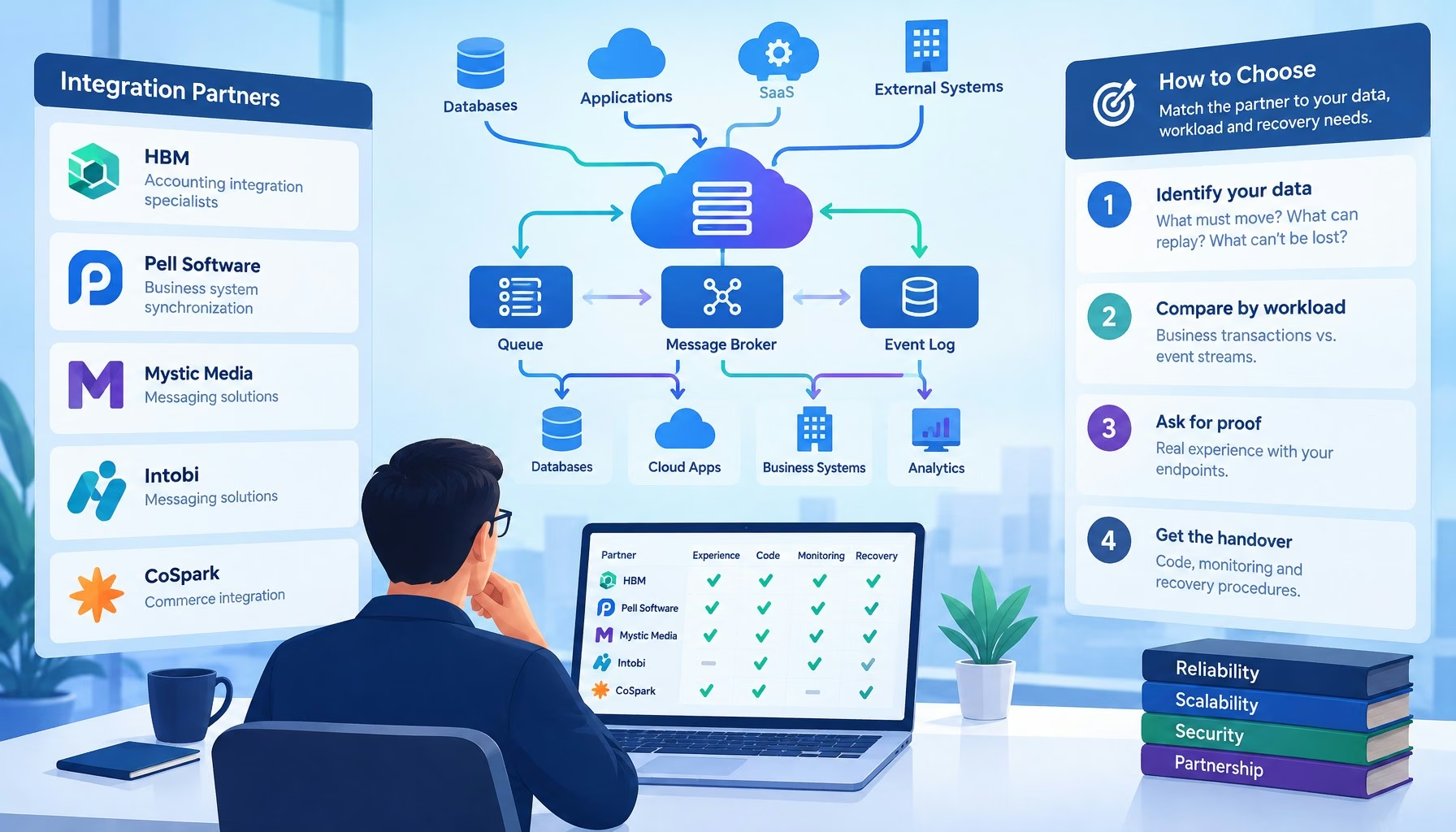
Technical architecture diagram and decision framework for choosing an integration partner for data pipelines: service bus, brokers, and azure-native middleware compared
Choosing an Integration Partner for Data Pipelines: Service Bus, Brokers, and Azure-Native Middleware Compared
Development Exclusive
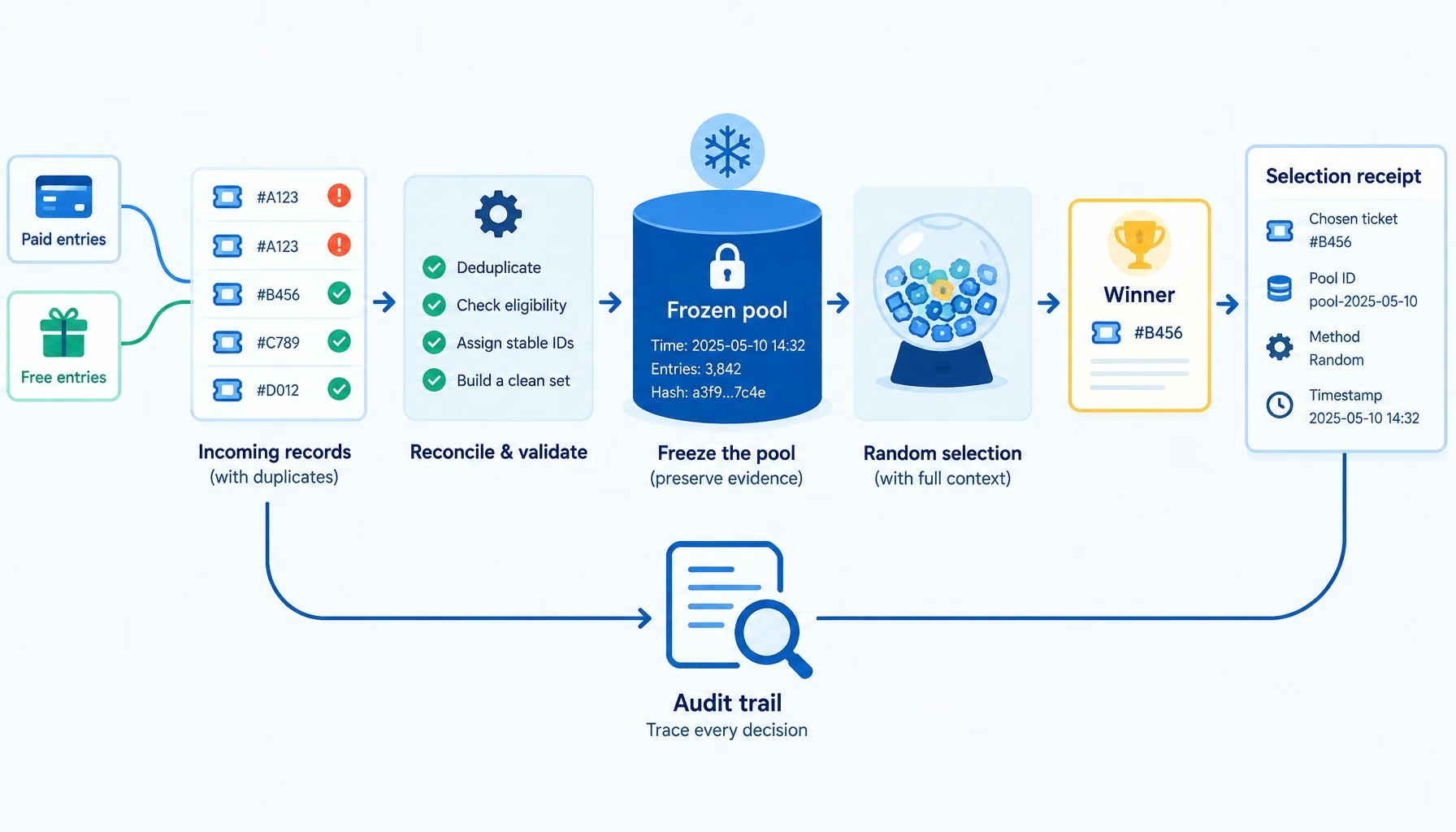
Technical architecture diagram and decision framework for data engineering for prize draws: building an audit trail
Data Engineering for Prize Draws: Building an Audit Trail
Big Data

Stay Connected

1.2KFollowersLike
33.7KFollowersFollow
222FollowersPin

You Might also Like

5 Ingenious Tips For A Promising Big Data Career
Big DataData ScienceExclusiveJobs

5 Ingenious Tips For A Promising Big Data Career

7 Min Read
Empowering Parents With Big Data: Ensuring Child Safety And Development
Big Data

Empowering Parents With Big Data: Ensuring Child Safety And Development

13 Min Read
Big Data: We Have the Technology, but Do We Have the People?
AnalyticsJobs

Big Data: We Have the Technology, but Do We Have the People?

7 Min Read
Using Data Democratization for Better Business Forecasting and Results
Big Data

Using Data Democratization for Better Business Forecasting and Results

8 Min Read

SmartData Collective is one of the largest & trusted community covering technical content about Big Data, BI, Cloud, Analytics, Artificial Intelligence, IoT & more.

5 Great Tips for Using Data Analytics for Website UX
Big Data
AI chatbots
AI Chatbots Can Help Retailers Convert Live Broadcast Viewers into Sales!
Chatbots

Quick Link

  • About
  • Contact
  • Privacy
Follow US
© 2008-26 SmartData Collective. All Rights Reserved.
Welcome Back!

Sign in to your account

Username or Email Address
Password

Lost your password?