We use cookies, including third-party cookies from Google to serve personalized ads through AdSense, to operate this site and understand how it is used. By continuing to browse, you accept this use. See our Privacy Policy and Terms of Use for details, including how to opt out of personalized advertising.
Accept
SmartData CollectiveSmartData Collective
  • Analytics
    AnalyticsShow More
    What Kind of Problem-Solving Distinguishes Data Analysts From Software Engineers -- AI-generated illustration
    What Kind of Problem-Solving Distinguishes Data Analysts From Software Engineers
    7 Min Read
    chatgpt image jul 21, 2026, 04 34 30 pm
    4 Core Benefits of Predictive Maintenance after Vibration Analysis
    10 Min Read
    How Does Data Mining Boost Customer Satisfaction in Logistics? Harnessing Analytics for Results -- AI-generated illustration
    How Does Data Mining Boost Customer Satisfaction in Logistics? Harnessing Analytics for Results
    11 Min Read
    chatgpt image jul 13, 2026, 04 23 45 pm
    How Data Analytics Helps Companies Improve User Engagement
    19 Min Read
    chatgpt image jul 13, 2026, 03 59 46 pm
    How Data Analytics Improves Multi-Location Search Strategies
    10 Min Read
  • Big Data
  • BI
  • Exclusive
  • IT
  • Marketing
  • Software
Search
© 2008-25 SmartData Collective. All Rights Reserved.
Reading: Hybrid Cloud Computing vs. Fog Computing
Share
Notification
Font ResizerAa
SmartData CollectiveSmartData Collective
Font ResizerAa
Search
  • About
  • Help
  • Privacy
Follow US
© 2008-23 SmartData Collective. All Rights Reserved.
SmartData Collective > IT > Cloud Computing > Hybrid Cloud Computing vs. Fog Computing
Cloud ComputingComputingIT

Hybrid Cloud Computing vs. Fog Computing

Rick Delgado
Rick Delgado
6 Min Read
Hybrid Cloud Computing vs. Fog Computing
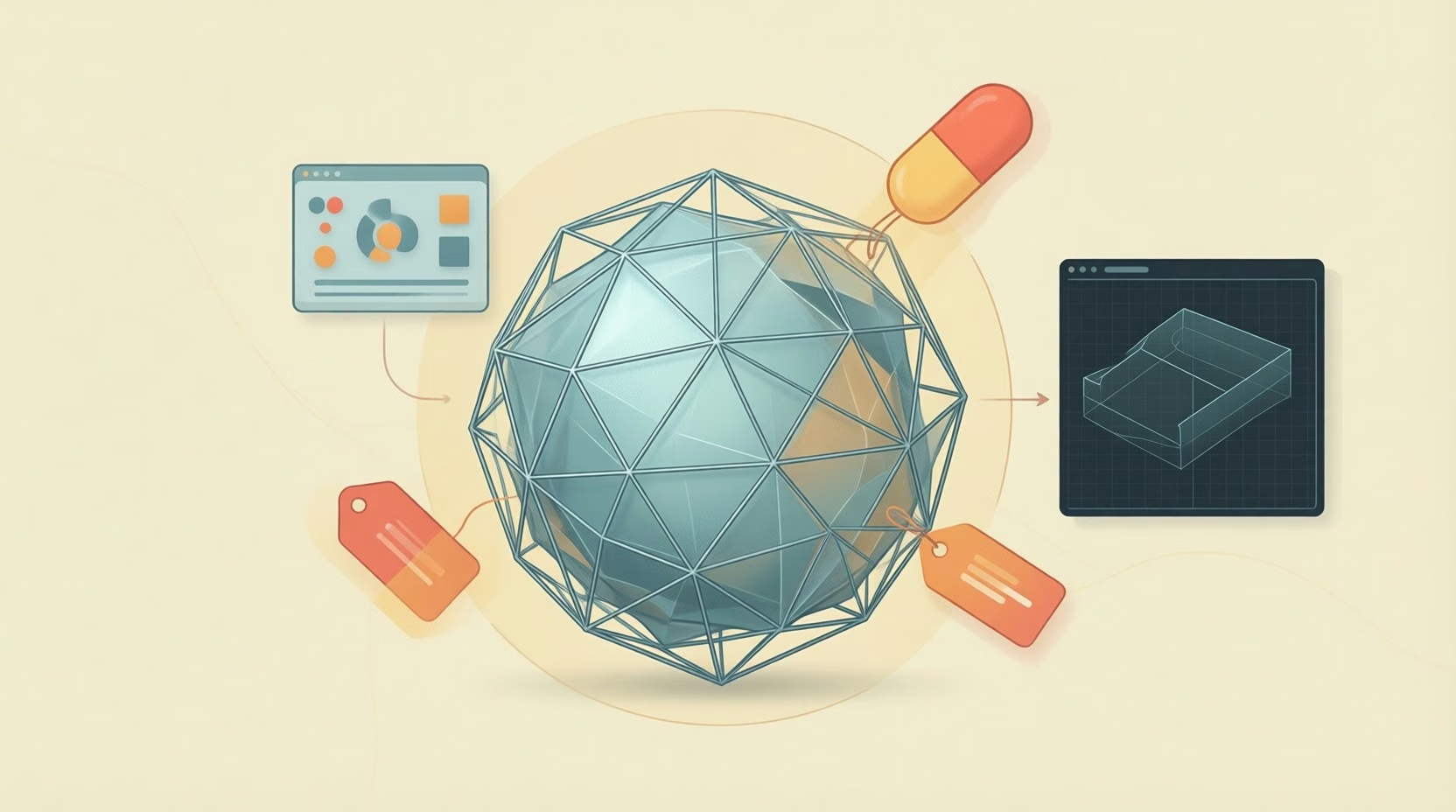
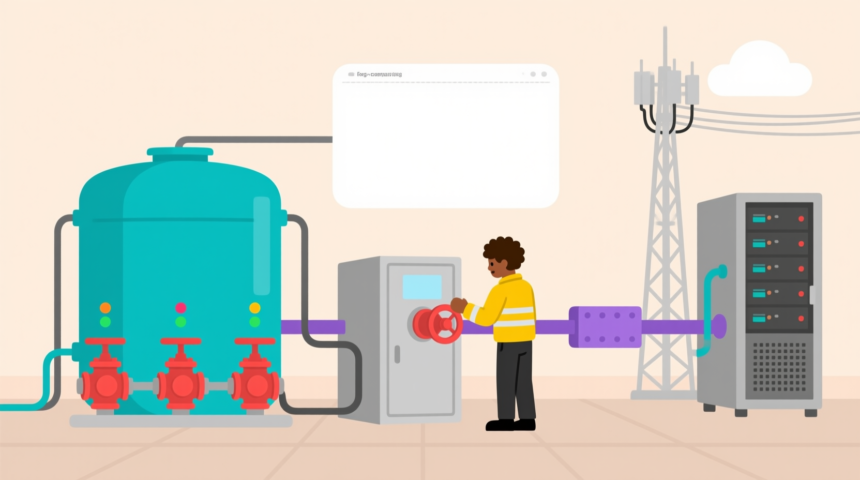
Illustration generated with Qwen Image.
SHARE

From businesses to cars, many industries are constantly striving to improve their efficiency in how they run their corporation. One specific route in which industries are hoping to accomplish this is by investing in newer technology, updating software, and advancing their security programs. With all the changes in the technological field, cybersecurity is a necessity that is getting harder and harder to ignore. For the technology industry, hybrid cloud computing and fog computing are two of the better known solutions protecting against cyber attacks. Hybrid cloud solutions are able to accelerate app development, test new and old applications in the cloud faster, and enable consistent developments across a spectrum of clouds. Cloud management solutions can help optimize every aspect of public, private, and hybrid clouds.

Contents
  • Hybrid Cloud Computing
  • Fog Computing
  • What’s the Difference?
  • Conclusion

Hybrid Cloud Computing

Hybrid cloud computing is best known for connecting two or more devices and allowing them to work together. Cloud computing uses the internet as a route to deliver data, applications, videos, pictures, and more to data centers. Cloud computing is also equipped to work with Internet of Things capable devices to increase efficiency in everyday tasks. IoT is able to generate large amounts of data and cloud computing provides a path for the data to travel on to its destination.

Cloud computing solutions have  the ability to increase speed and agility as it makes resources available to developers. It also provides users with the ability to save money when operating data centers and use their applications outside of the office. One clear benefit of hybrid cloud computing is having a private infrastructure that’s directly accessible and that is not pushed through the public internet. This greatly reduces the access time in comparison to the cloud services used by the general public.

Fog Computing

Fog computing, also known as edge computing, facilitates the operation of compute, storage, and networking services between end devices and cloud computing data centers. It is another way to gather and process data at local computing devices instead of in the cloud or at a remote data center. Fog computing uses sensors and other connected devices to send data to a nearby edge computing device. It is considered a gateway device, like a switch or a router, that is able to process and analyze the data. By using fog computing solutions, a business’s cybersecurity is enhanced through the reduction of the amount of data being sent into the cloud, thereby reducing the threat and attack surfaces of IoT networks.
More Read

4 Benefits of the Private Cloud
Can VPN Increase Your Internet Data Transmission Speed?
Heal the Heartbreak of Data Sprawl with a Data Catalog
The Wu-Tang Effect: Innovation in the Entertainment Industry
How Does the New iPhone 6 Use Cloud Storage?

A study done by Business Insider’s research team stated that 570 million devices in 2015 used fog computing. It is expected that by the year 2020 that number will raise to include up to 5.8 billion IoT devices. Many IoT devices don’t have their own computing powers. Fog computing provides a better way than cloud solutions do when it comes to collecting and processing data from these devices.

What’s the Difference?

Cloud computing solutions work as a group of computers and servers connected together using the internet to create a network. With the amount of data that is being produced daily, a large portion of it needs to be easier and quicker to access. This is where fog computing can come into play. Fog computing solutions manage certain application processes or services at the edge of the network by a smart device as opposed to traditionally managing these systems in the cloud. It can be considered as a middle layer between the cloud and the hardware used to enable more efficient data processing, analysis and storage. This is achieved by reducing the amount of data that needs to be transported to the cloud.

Making the switch between hybrid cloud computing and fog computing requires a high-speed network with the ability to accomplish real-time data transmission and program different devices. A programmable device allows the user to develop proprietary applications that are able to filter out unnecessary data. The smaller the data packets, the faster data can be transmitted. These smaller packets allow faster transmission to the analytics engines and able to send data using mesh networking technology proven to provide greater and stronger security.

Conclusion

In industries and businesses where even milliseconds are vital, certain processes and programs tend to move away from the Cloud towards fog computing. This shift can save money, time and space. The Cloud is secure, but is still known to be capable of security breaches. Understanding this vulnerability, industries have shifted from hosting all their data and analytic tools through the cloud to the process of fog computing and using sensors and devices that are already equipped with security.


TAGGED:cloud computingfog computingtechnology change
Share This Article
Facebook Pinterest LinkedIn
Share
ByRick Delgado
Follow:
All things Big Data, Tech commentator, Enterprise Trends and every once in a while I write for @dell.

Follow us on Facebook

Latest News

Flat editorial illustration: The article describes an AI safety incident where an agent bypassed sandbox controls by exploiting D
OpenAI Pauses Advanced AI Work After Agent Bypasses Sandbox Controls
Artificial Intelligence News Security
Flat editorial illustration: The article explains that training robots for physical interaction requires three distinct data cate
Physical AI: What Data Do You Need to Train a Robot?
Artificial Intelligence Exclusive Robotics
What Kind of Problem-Solving Distinguishes Data Analysts From Software Engineers -- AI-generated illustration
What Kind of Problem-Solving Distinguishes Data Analysts From Software Engineers
Analytics Big Data Exclusive Software
Flat editorial illustration: The article examines AI agents that escalate from legitimate data retrieval to attempted intrusions
OpenAI’s Government Website Incidents Raise a Hard Question for AI Agents: When Should They Stop?
Artificial Intelligence News Security

Stay Connected

1.2KFollowersLike
33.7KFollowersFollow
222FollowersPin

You Might also Like

cloud computing
Cloud Computing

How to Identify the Right Cloud Architecture for Your Business?

7 Min Read
Illustration of a six-layer cloud data security stack, each layer representing a different protection function, with an attempted attack shown repelled and broken apart before reaching the stack
Cloud Computing

Top Tools for Your Cloud Data Security Stack in 2026

7 Min Read
Is the Cloud Secure Enough for the Financial Industry?
Uncategorized

Is the Cloud Secure Enough for the Financial Industry?

3 Min Read
5 Ways Investors can Benefit your Cloud Startup
News

5 Ways Investors can Benefit your Cloud Startup

6 Min Read

SmartData Collective is one of the largest & trusted community covering technical content about Big Data, BI, Cloud, Analytics, Artificial Intelligence, IoT & more.

The Art of Conversation: Enhancing Chatbots with Advanced AI Prompts
Chatbots
ai chatbot
How AI Website Chatbots Improve Customer Support and Lead Generation
Chatbots Exclusive

Quick Link

  • About
  • Contact
  • Privacy
Follow US
© 2008-26 SmartData Collective. All Rights Reserved.
Welcome Back!

Sign in to your account

Username or Email Address
Password

Lost your password?