You know your target market better than anybody. You know their age range, gender, income level, education level and just about everything else there is to know. But even armed with such targeted knowledge, you may be missing pockets of potential customers – consumers that don’t fall 100% into your “target market”. These “lookalike audiences” offer untapped potential. While they may not share many identifying characteristics with your target audience, they actually behave, consume and spend in very similar patterns.
You know your target market better than anybody. You know their age range, gender, income level, education level and just about everything else there is to know. But even armed with such targeted knowledge, you may be missing pockets of potential customers – consumers that don’t fall 100% into your “target market”. These “lookalike audiences” offer untapped potential. While they may not share many identifying characteristics with your target audience, they actually behave, consume and spend in very similar patterns. And, like your target audience, they would likely be very interested in your products and services.
While the concept of “lookalike audiences” has been around for a while, it was Facebook who reignited the term for their online ads. Lookalike audiences is defined by Facebook as “a way to reach new people who are likely to be interested in your business because they’re similar to customers you care about.” Digital platforms, like Facebook and Google, employ clever algorithms that identify these mimicking audiences, and advertisers can execute against this information. These consumer profiles, though, are based only on first party data, which provides information based on purchase histories and recent searches. This process of identifying lookalike audiences barely skims the surface of who these audiences are and why they buy what they buy.
The standard “lookalike” language is fundamentally too narrow and simply not nuanced enough. Lookalike modeling based on high level demographic categories, like age, income and gender, showcase a very limited view on audience and consumer behavior. To think that all white, high-income females are likely to buy the same car model because they are high-income, white females is inaccurate. Historically, marketers trying to find a ‘similar audience’ often use a very coarse-grained aggregation method, involving things like high-level demographics and small sample groups to represent thousands of customers. All of that has changed in the Big Data era.
More Read

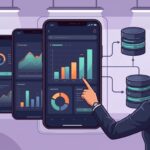
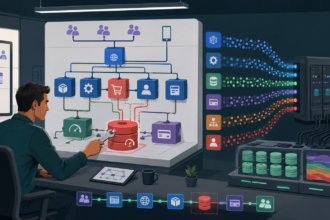
With access to more information from multiple data sources, you can now find those that “act alike, think alike and feel alike” with your target audience. By referencing several data sources, you can build a deeper understanding and discover patterns and trends among current customers and find other audiences that exhibit similar behaviors. This knowledge can be used to either grow your current market or cross over into new ones. Once a lookalike audience is identified, data can also be used to create a detailed profile of the market and craft appropriate online and offline advertising strategies.
There are now alternative and far smarter ways to approach marketing to lookalike audiences. For instance, based on customer surveys an oatmeal cereal brand has known for years that a particular mother of three buys their product for health reasons. Using new data sources and granular analysis, the company discovers that this target audience’s main health concern is childhood obesity. They also find that consumers of certain video games share similar weight gain concerns. In this case, the brand might be wise to do some co-branding with a video game console or specific games.
It’s time to move away from finding audiences that simply “look alike” to audiences that “behave alike.” Businesses that re-evaluate their approach to consumer data and targeting can start supplementing broad message advertising with real-world precision targeting.
Josh Knauer is president and CEO of Rhiza, an online platform pioneering the way marketers and salespeople make Big Data actionable.