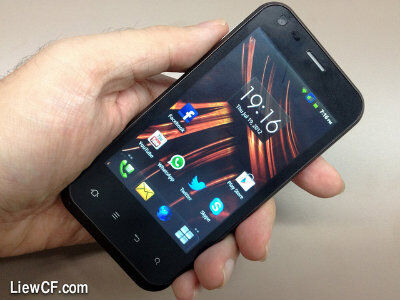
 With the proliferation of smartphones and tablets, the business world has found itself scrambling for ways to tap into the benefits of such technology. This has been seen in efforts such as mobile app development. Perhaps even more significant, however, is the concept of “bring-your-own-device” or BYOD.
With the proliferation of smartphones and tablets, the business world has found itself scrambling for ways to tap into the benefits of such technology. This has been seen in efforts such as mobile app development. Perhaps even more significant, however, is the concept of “bring-your-own-device” or BYOD. What is byod? This is the practice of allowing employees to use personal devices, specifically mobile devices, tablets, and laptops in the workplace. While a lot of companies are making the change, it is important to pause and consider whether or not it is right for your company specifically. These are 5 signs it might be.
1. Your company is flexible
Adopting a BYOD policy will bring significant changes in the company and will therefore require a certain amount of flexibility. For the first several weeks and months, it may be necessary to conduct trial and error experiments. Do not expect to make the switch over night. In fact, immediately switching everything to BYOD can put your company in danger. If a bug were to crop up, for example, company-wide data may be exposed to people who could use it for malicious purposes. The best policy is to roll the program out slowly and be willing to adapt to problematic situations as they arise.
2. Your company is built on trust
Company leaders put a lot of trust in their employees when they sign up for a BYOD program. Allowing company data to be accessed on personal devices involves high levels of risk. If devices are stolen, lost, or compromised, the companies could face serious problems. Leaders also need to trust employees to use their devices for work purposes when they are at work. It may be tempting for some to do otherwise, which could lead to decreased productivity. Are their certain apps, such as games, that employees should not be allowed to access during work hours? Employees need to know exactly what it expected of them. Communication lines need to be open as employers and employees work on rules and regulations for the use of their personal devices.
3. Your company has a plan
Companies should never adopt a BYOD policy simply because it is trendy. Such a change should be based on the knowledge that it will forward the purposes of the company. For example, will facilitating remote use of devices for work purposes help employees be more productive and meet company goals? Do employees themselves feel that they could accomplish more with a BYOD system? As a change in policy will require time, effort and money, it’s essential that companies outline the specific benefits BYOD will provide.
4. Your company pays attention to details
Overlooking even the smallest issues can lead to serious problems. Brainstorming should take place beforehand that covers everything from what type of data employees can access via the company’s WiFi to what to do if a phone is compromised. For example, companies may need to be able to remotely wipe a phone if it is stolen, and employees should be aware of this. Companies should hold meetings with their IT departments as well as their legal team to make sure there is a plan laid out for every scenario.
5. Your IT department is effective
Perhaps the largest hesitations companies have with going the route of BYOD have to do with security. Therefore, IT departments need to be aware of the new threats that are coming and how to stop them. Effective anti-virus software should be installed on personal devices. IT departments may also consider setting up monitoring for employee devices. This could allow them to track things such as geo-location as well as what type of data employees are accessing. Of course, employees need to be aware if such monitoring is used. IT departments should also be prepared to provide day-to-day services for employees in the workplace.
Image Source: StaticFlickr